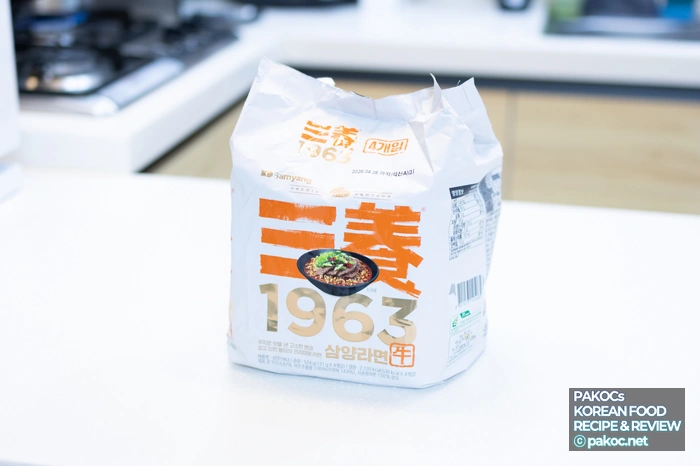
Hello! Today, I will introduce Samyang’s new product, Samyang 1963 ramen. This ramen is said to be a premium ramen made by frying the noodles in beef tallow, following the style before the beef tallow incident. It’s not a completely retro menu like Nongshim’s Nongshim Ramen, but it seems to be a menu that revives the identity of the old Samyang Ramen. I’m quite curious about the taste since it’s my first time trying noodles fried in beef tallow. Let’s find out what this menu is like.
ⓒ
Copyright PAKOC https://pakoc.netSamyang 1963 Ramen Price and Features
The news of the release of Samyang 1963 Ramen was widely reported, and before I knew it, it was November, and it started being sold in some supermarkets and online malls, so I quickly purchased it! This menu is introduced as ‘savory noodles flavored with beef tallow and a deep, rich premium ramen’! Since Samyang Ramen itself was not originally a premium ramen, it seems to be a newly interpreted menu to suit modern times!

ⓒ
Copyright PAKOC https://pakoc.net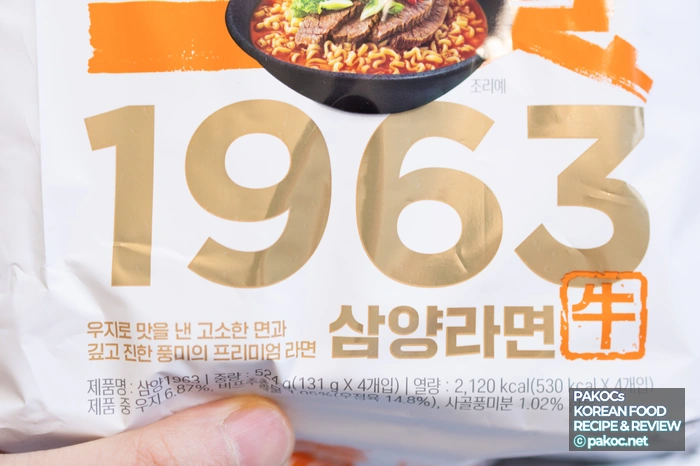
ⓒ
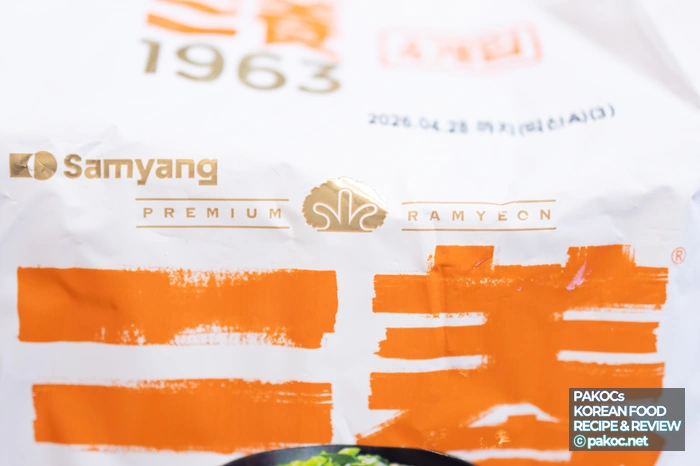
Copyright PAKOC https://pakoc.netStill, there seem to be quite a few people curious about the ‘old Samyang Ramen taste’, and many who want to experience that taste again. I purchased a multipack from an online mall for 4,800 won. Since it contains 4 packs, it would be about 1,200 won per pack.
ⓒ
Copyright PAKOC https://pakoc.net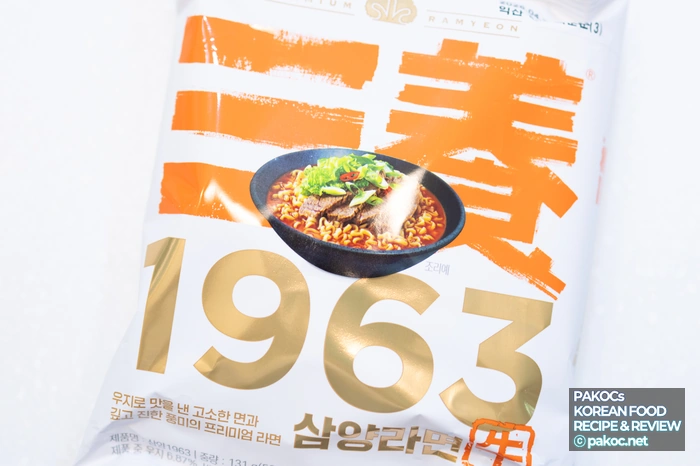
ⓒ
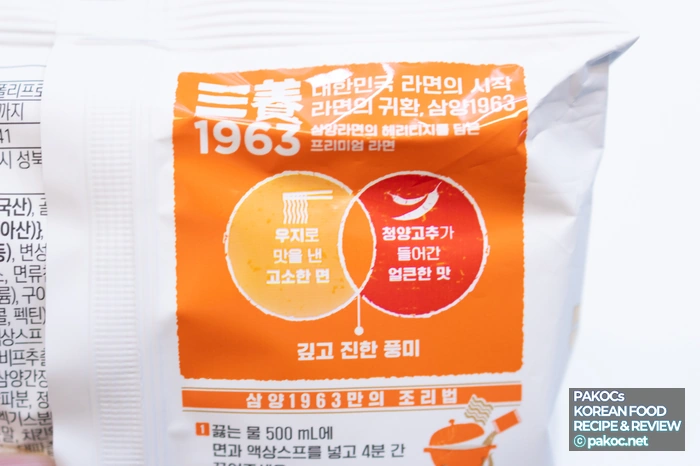
Copyright PAKOC https://pakoc.netIn fact, the features of this menu are divided into two: ‘savory noodles flavored with beef tallow’ and ‘spicy taste with Cheongyang pepper’. However, it seems a bit different from the ham ramen taste we miss after the beef tallow incident. Samyang states that they have not changed the ham flavor itself.
ⓒ
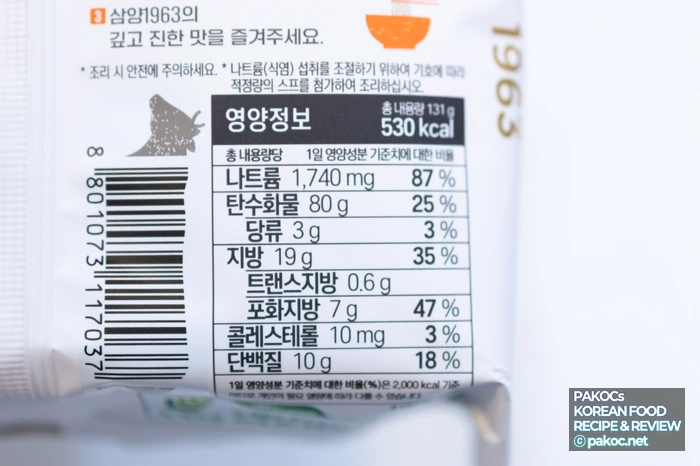
Copyright PAKOC https://pakoc.netOne pack of this menu has a total content of 131g and 530Kcal, with sodium at 87% of the daily recommended intake. Although fried in beef tallow, it doesn’t seem to have a particularly higher calorie content. The cooking method is to add the noodles and liquid soup to boiling water, boil for 4 more minutes, then turn off the heat completely and add the post-addition powder and flakes, mixing well.
ⓒ
Copyright PAKOC https://pakoc.net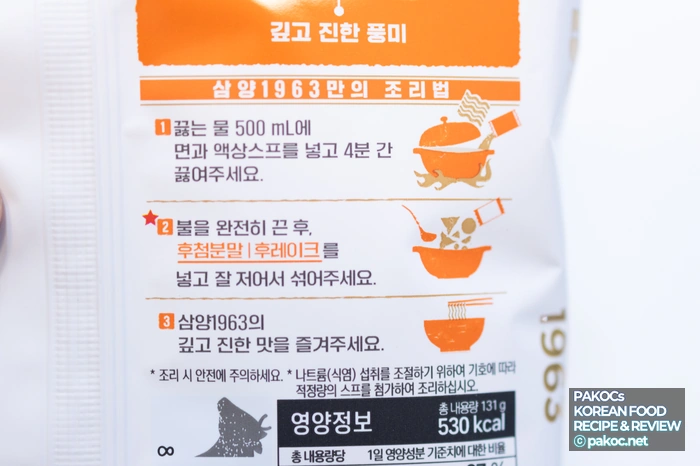
ⓒ
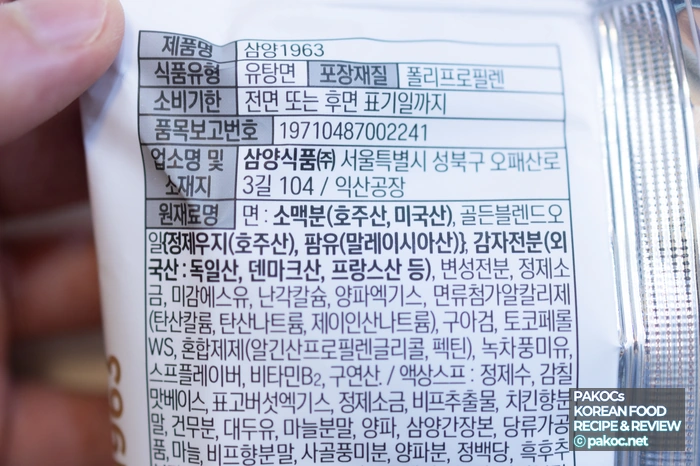
Copyright PAKOC https://pakoc.netLooking briefly at the ingredients, naturally, beef tallow (Golden Blend Oil) is included in the noodles! This is a natural part due to the process of frying the noodles in beef tallow, and it seems that there are no special ingredients in the liquid soup and post-addition powder.
ⓒ
Copyright PAKOC https://pakoc.netSamyang 1963 Ramen Composition and Cooking Method
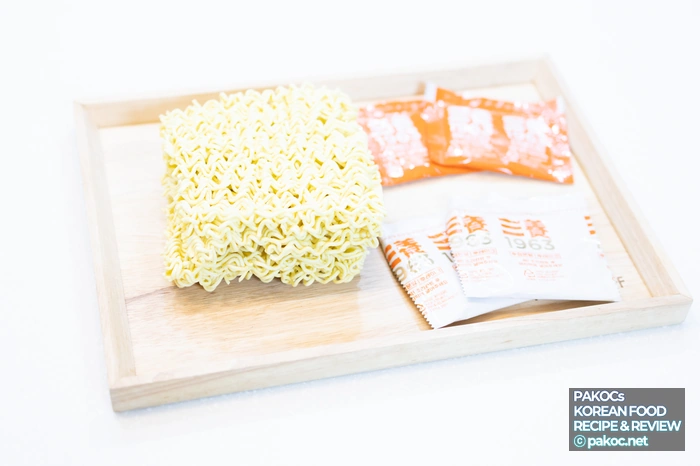
Shall we briefly check the composition? At first, I thought there were three types of soup when I saw the cooking method, but unexpectedly, it consists of noodles, liquid soup, and powder soup.
ⓒ
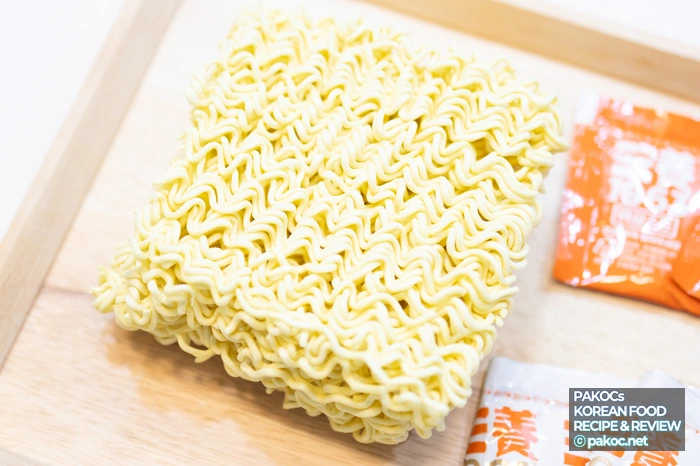
Copyright PAKOC https://pakoc.netThe noodles don’t look special at first glance, but when you smell them, you can feel a quite savory aroma. When you taste the crumbs, it feels like there’s a slight beef aroma. Of course, this might just be my imagination.
ⓒ
Copyright PAKOC https://pakoc.net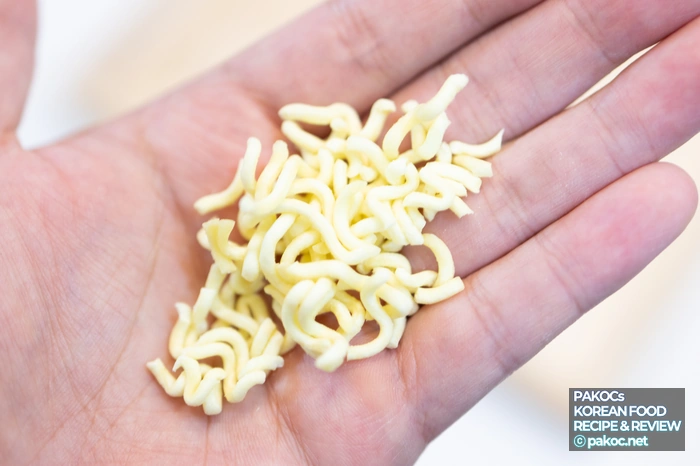
ⓒ
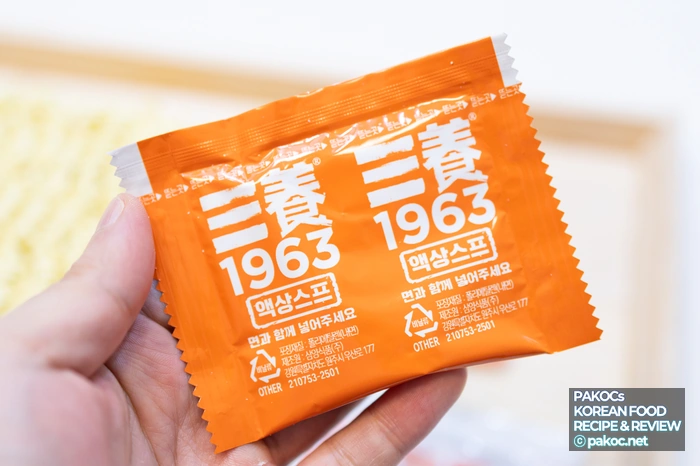
Copyright PAKOC https://pakoc.netAnd the liquid soup uses the liquid soup type emphasized by The Gourmet recently! I don’t know if this is why it’s called a premium ramen, but it doesn’t seem to be a particularly divisive point. Uniquely, the post-addition powder and flakes are combined into one. This way of eating is quite rare, isn’t it?
ⓒ
Copyright PAKOC https://pakoc.net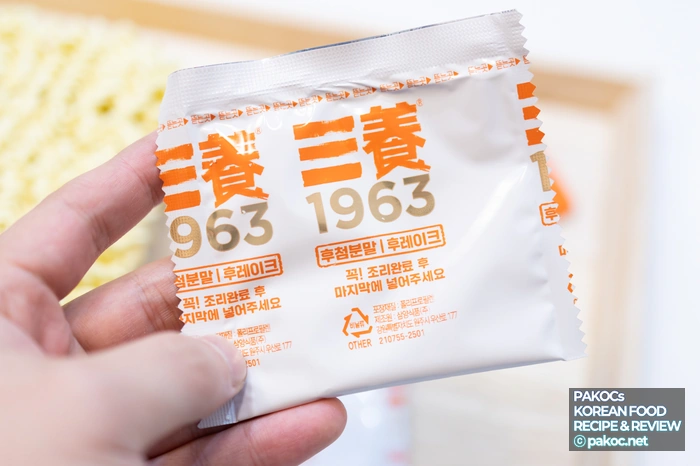
ⓒ

Copyright PAKOC https://pakoc.netInitially, I prepared 500ml of boiling water, but I only used about 800~900ml to boil. I put in about 90% of the two noodles and liquid soup. During cooking, a strong spicy aroma spreads, giving a feeling similar to slightly spicy ramen.
ⓒ
Copyright PAKOC https://pakoc.net
ⓒ

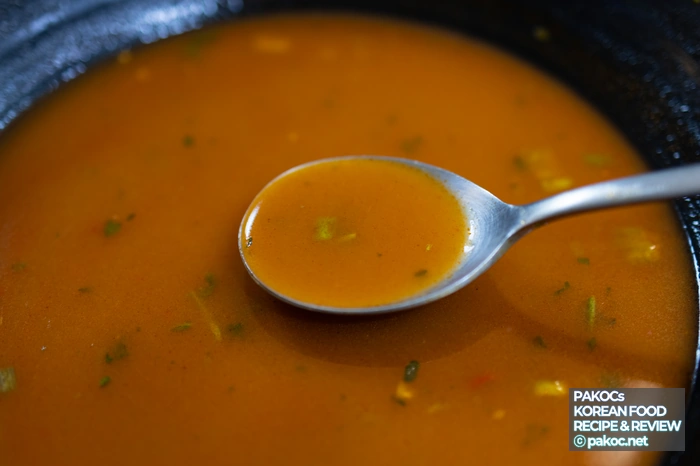
Copyright PAKOC https://pakoc.netAfter cooking all the noodles, add the post-addition powder containing various bases, extracts, green onions, and pepper flakes. Stir well, and a very rich broth color appears!
ⓒ
Copyright PAKOC https://pakoc.net
ⓒ

Copyright PAKOC https://pakoc.netCompared to the broth color of the Shin Ramen or Samyang Ramen we are familiar with, it is much richer, and it seems to have a deeper color than Nongshim Ramen, which belongs to a similar lineup of Nongshim. The broth taste seems to need to be tasted directly to know for sure!
ⓒ
Copyright PAKOC https://pakoc.netTaste of Samyang 1963 Ramen
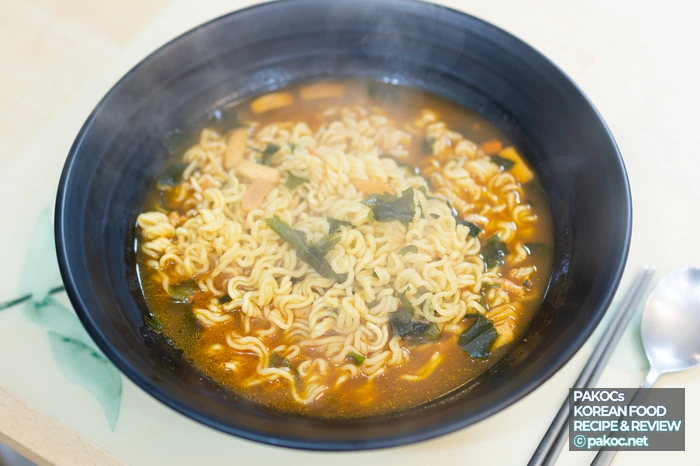
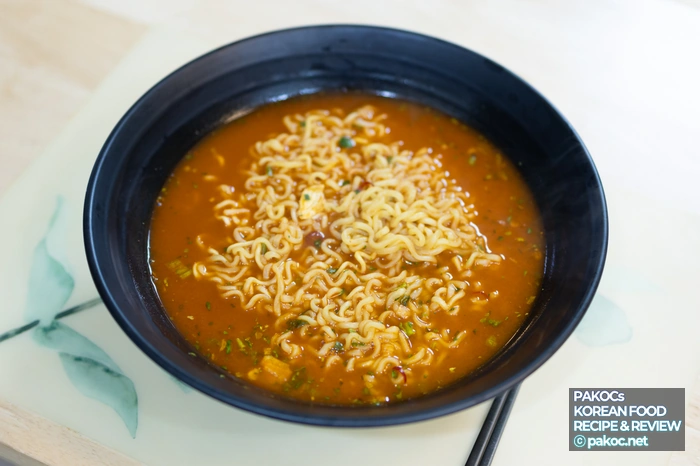
Let’s taste it immediately! First, it feels slightly thick, perhaps because of the post-addition powder!
ⓒ
Copyright PAKOC https://pakoc.net
ⓒ
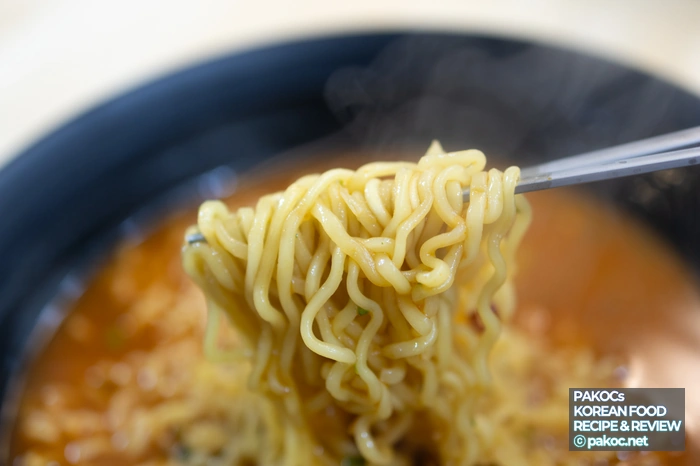
Copyright PAKOC https://pakoc.netWhen I first tasted the noodles, it felt similar to Shin Ramen Black, which made me a bit puzzled. I wonder if the ham ramen taste of the orange package I know well is not Samyang’s heritage. Still, the noodles definitely have a special umami flavor compared to other ramen I’ve had before!
ⓒ
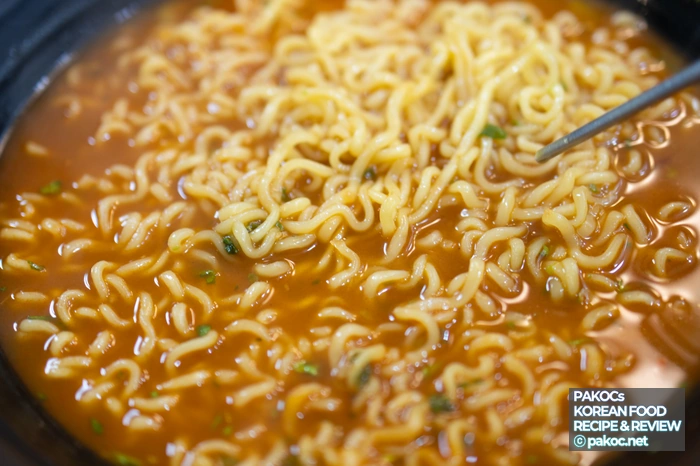
Copyright PAKOC https://pakoc.netThe taste is quite good overall. It seems that Samyang put a lot of effort into the basic taste to make up for the disappointment of the beef tallow incident. The broth is moderately spicy without being overly hot, and you can taste a slight beef flavor in the rich broth!
ⓒ
Copyright PAKOC https://pakoc.net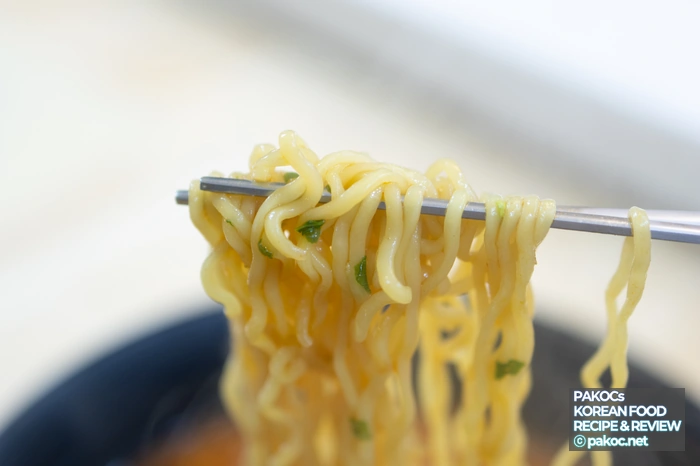
ⓒ
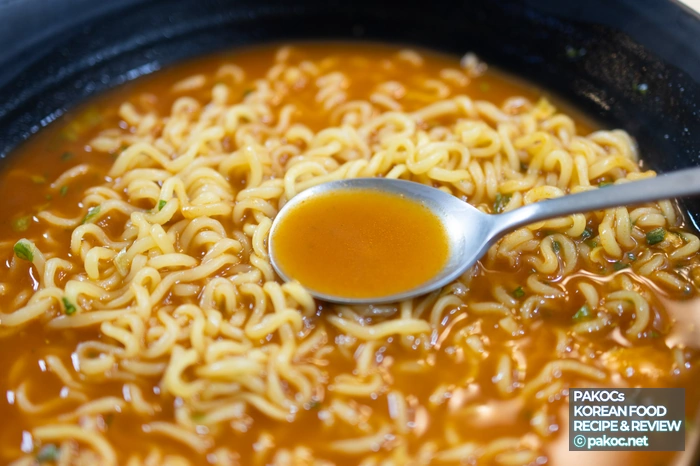
Copyright PAKOC https://pakoc.netThe broth is quite rich, similar to existing ramen, making it suitable for eating with rice or adding other ingredients. Considering that Samyang Ramen, released in 1963, was the start of the standard ramen in our country, it seems natural to pursue this taste.
ⓒ
Copyright PAKOC https://pakoc.net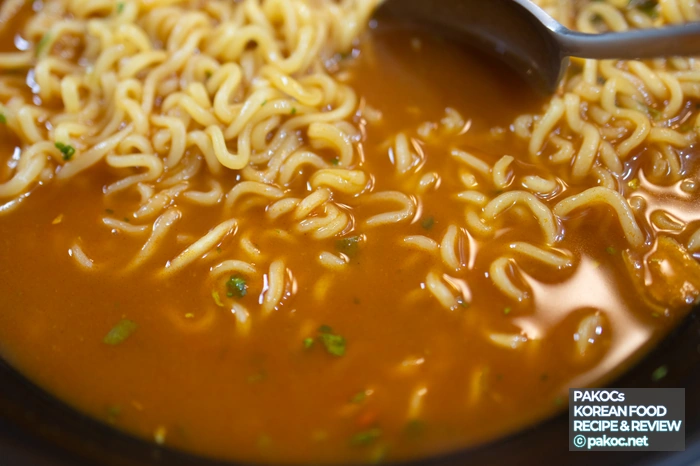
ⓒ
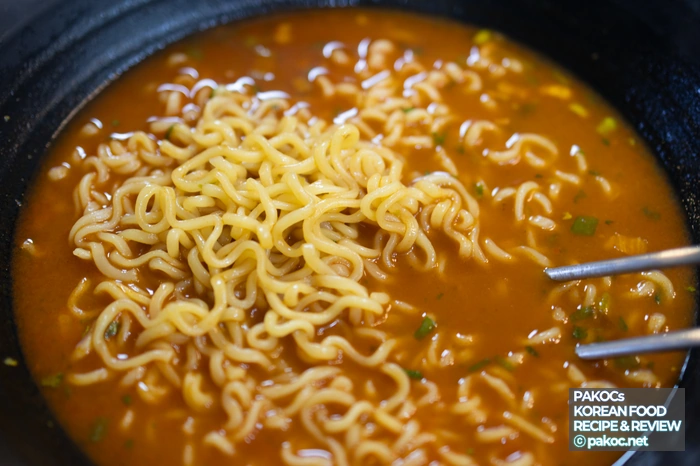
Copyright PAKOC https://pakoc.netOverall, it seems to occupy the position of ‘the top of ordinary ramen’. It seems to have some distinguishing points from Nongshim Ramen, which emphasizes beef flavor. Although I said it was similar to Shin Ramen Black, it feels even more refreshing. Anyway, Shin Ramen isn’t bad, right? Haha.
ⓒ
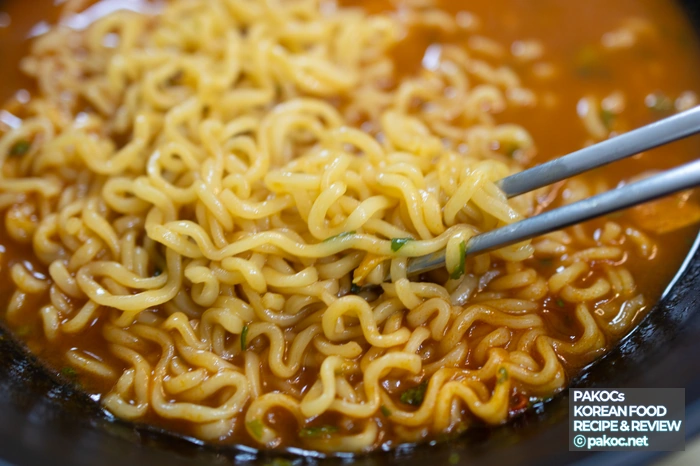
Copyright PAKOC https://pakoc.netFor those born in the 80s and 90s like me, the ‘tradition of Samyang Ramen is definitely the ham flavor!’ so this taste may feel somewhat unfamiliar, and I think preferences will be clearly divided. Also, this menu is not a retro style but a modern premium ramen with the identity of ‘ramen fried in beef tallow’.
ⓒ
Copyright PAKOC https://pakoc.net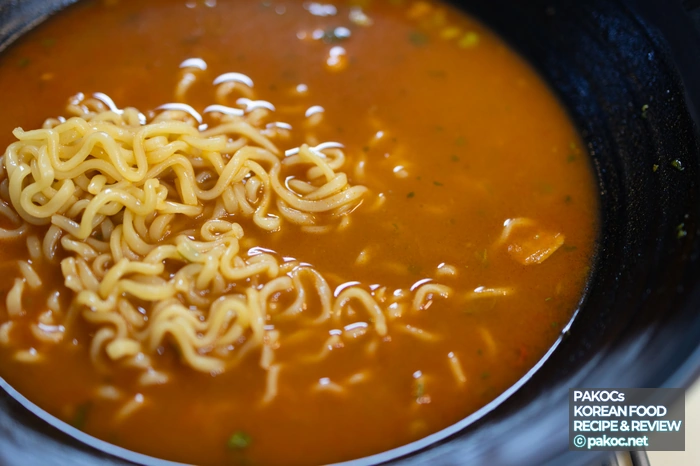
ⓒ
Copyright PAKOC https://pakoc.netConsidering these points, I think it’s a great taste for ramen and a relatively cost-effective choice for premium ramen. Initially, I was puzzled by the lack of ham flavor, but upon reflection, I had no particular complaints about the taste itself. The only downside is that the lack of garnish makes the broth a bit bland when scooping it. If you pay attention to these parts, I think you can enjoy it quite satisfactorily.
ⓒ
Copyright PAKOC https://pakoc.netimage sources
- 삼양 라면 포장사진: Copyright PAKOC https://pakoc.net