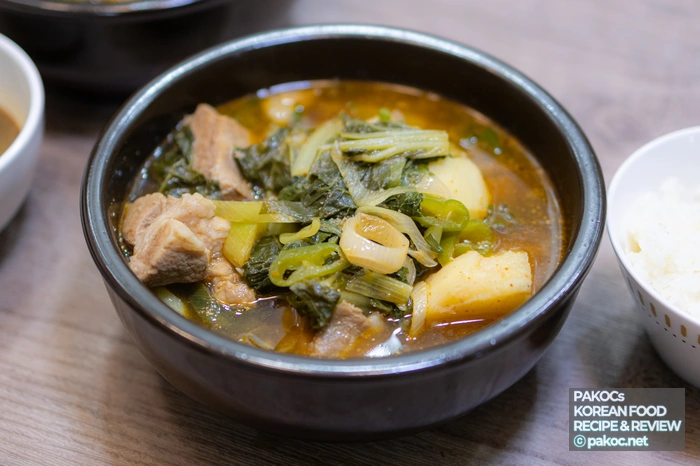
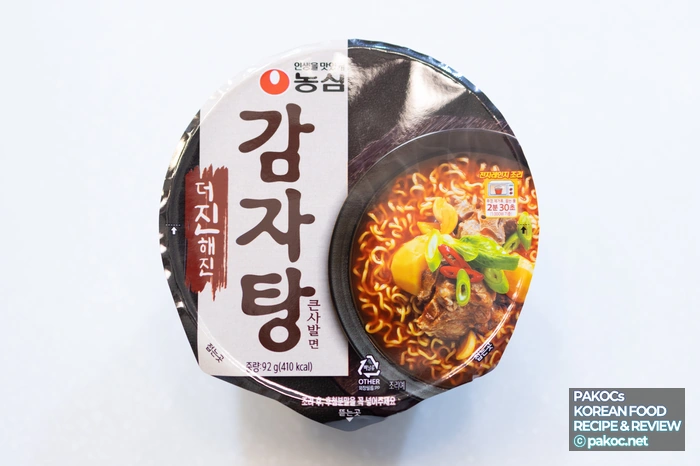
Hello. Today I’m introducing Nongshim’s new cup noodle, Gamjatang Big Bowl Noodles (gamjatang: spicy pork bone soup). It’s a Seven Eleven collaboration and is sold exclusively there. The taste was solid, and since this item had a bit of a rocky history—discontinued in the early 2010s, brought back in the mid-2010s, then discontinued again in 2020—it seems a lot of people are quietly happy to see it return. I’m not sure how long it’ll stick around this time. I remembered it being less spicy than expected with a nice, savory depth, so I picked one up right away. Let’s take a closer look.
ⓒ
Copyright PAKOC https://pakoc.netNongshim Gamjatang Price and Features
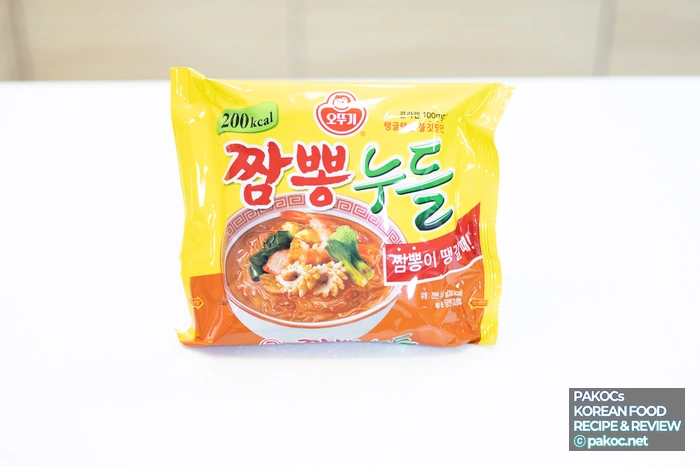
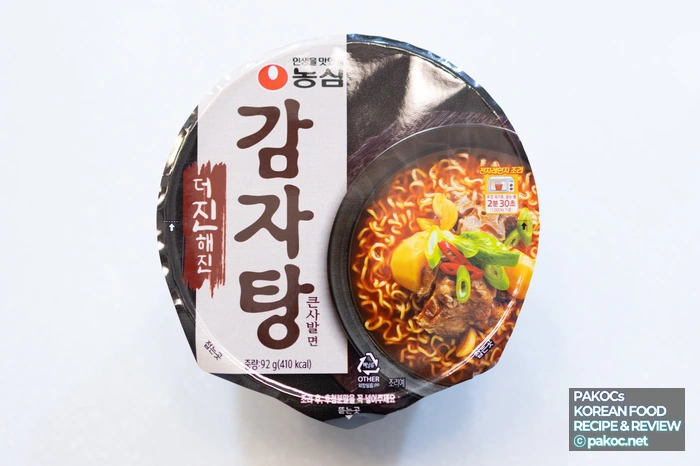
This time, Nongshim released three cup noodle varieties through different convenience stores: Budae Jjigae Noodles at CU, Gamjatang Noodles at Seven Eleven, and Potato Noodles at GS25. Today, I’m reviewing Seven Eleven’s “Richer Gamjatang Noodles Big Bowl.” Since the ramen market has leaned heavily toward ultra-spicy flavors since the mid-2010s, this one didn’t seem to gain much traction up until it was discontinued in 2020. I’m not sure how it’ll do this time around. The price is 1,800 won, and there’s a December 2+1 promotion, so keep that in mind.
ⓒ
Copyright PAKOC https://pakoc.net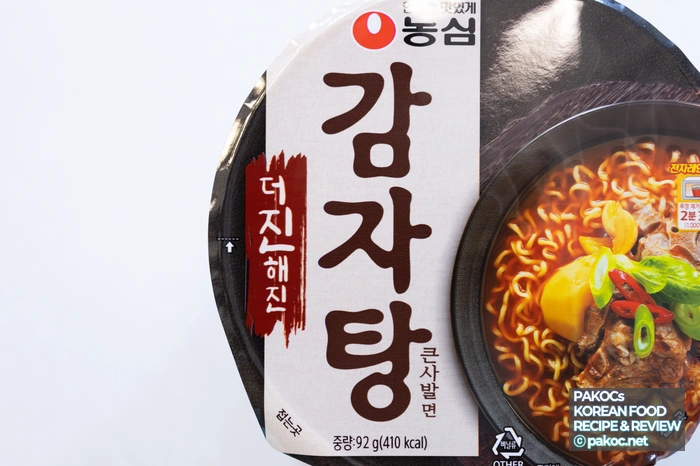
ⓒ
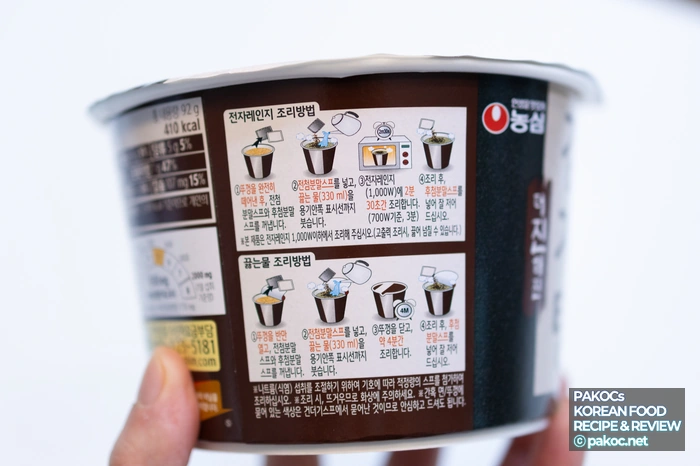
Copyright PAKOC https://pakoc.netYou can cook this either with a microwave or with boiling water, but the fact that there’s a separate microwave method probably means that’s the recommended way. Since the pre-discontinuation cup version was made with hot water only and was often said to taste a bit lacking, this release clearly seems designed with microwave cooking in mind.
ⓒ
Copyright PAKOC https://pakoc.netThe total weight is 92g, with 410 kcal, and sodium is about 75% of the recommended daily intake. Even compared to jjamppong or kimchi jjigae, gamjatang isn’t exactly known for being low in sodium, but since the flavor here likely comes from a gamjatang-style base powder rather than the full range of seasonings used in real gamjatang, I don’t think it’ll taste as salty as the numbers suggest. The portion size and calories are also a bit lighter than typical ramen.

ⓒ
Copyright PAKOC https://pakoc.netNongshim Gamjatang Components
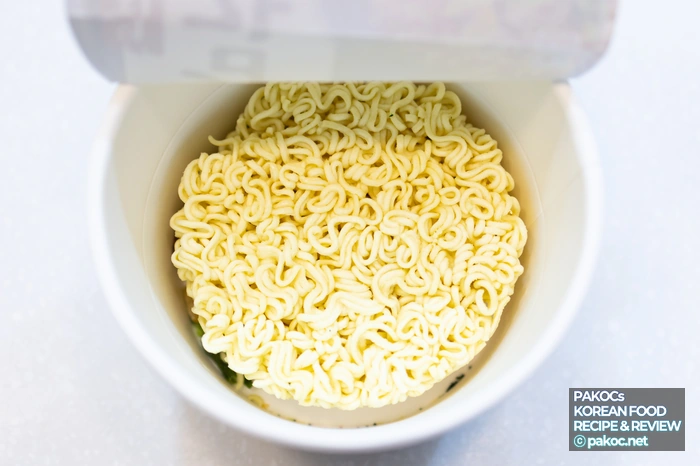
Let’s quickly check what’s inside. This one comes with two soup packets, and the noodles include a small amount of dried toppings. The toppings are, of course, at the bottom of the cup. Surprisingly, it includes dried meat and even real dried potato pieces. It doesn’t seem to include ugeoji (outer napa cabbage leaves), and it looks like bok choy is used instead.
ⓒ
Copyright PAKOC https://pakoc.net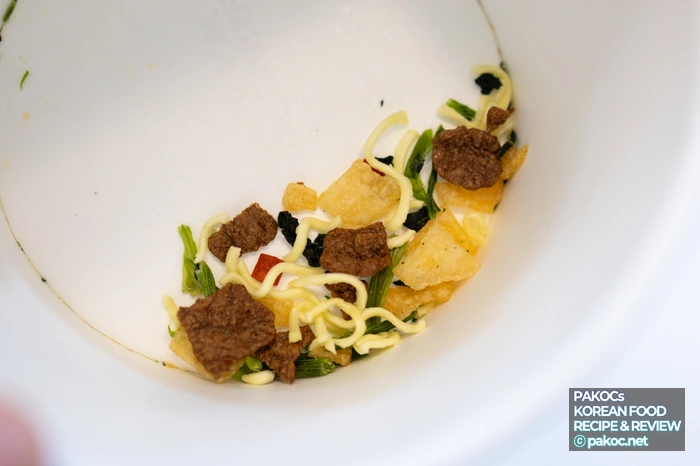
ⓒ
Copyright PAKOC https://pakoc.netThe soup comes as two powders: a base powder and a finishing powder. Put simply, the base powder is the gamjatang flavor, and the finishing powder seems like it might be perilla seed powder or something similar. These days, though, many products set the main broth flavor with the base packet and then add extra savoriness and aroma with the finishing packet (Nongshim does this a lot), so it may be along those lines. I’ll confirm while cooking.

ⓒ
Copyright PAKOC https://pakoc.netNongshim Gamjatang Cooking
Let’s get cooking. First, I poured the base powder over the noodles. Then I added hot water and microwaved it at 1000W for 2 minutes and 30 seconds.

ⓒ
Copyright PAKOC https://pakoc.net
ⓒ
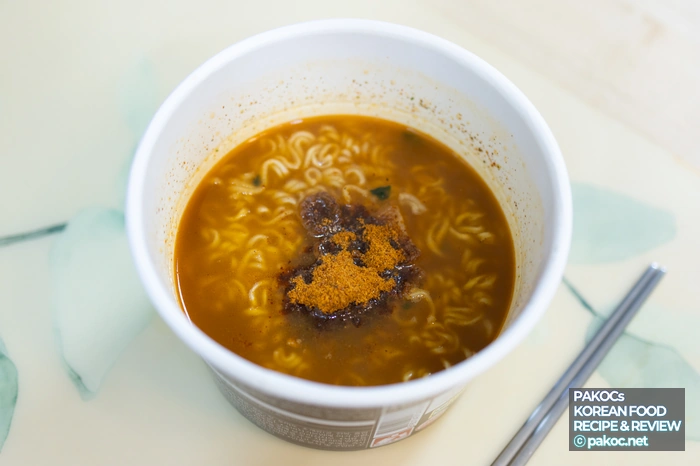
Copyright PAKOC https://pakoc.netAfter cooking, it looks like this. Then I poured the finishing powder on top. As expected, it’s not just perilla seed powder—visually, it looks like there are some seasonings mixed in—but it does seem to include a noticeable perilla aroma.

ⓒ
Copyright PAKOC https://pakoc.net
ⓒ
Copyright PAKOC https://pakoc.netThis is how it looks when finished. I haven’t mixed the finishing powder into the broth yet, but I’m curious what it’ll taste like once it’s fully blended. Part of me thinks I should’ve tasted the broth before mixing.

ⓒ
Copyright PAKOC https://pakoc.netNongshim Gamjatang Taste
Now, let’s taste it. Before eating, I mixed the finishing powder thoroughly into the broth. It dissolves quite well.
ⓒ
Copyright PAKOC https://pakoc.net
ⓒ
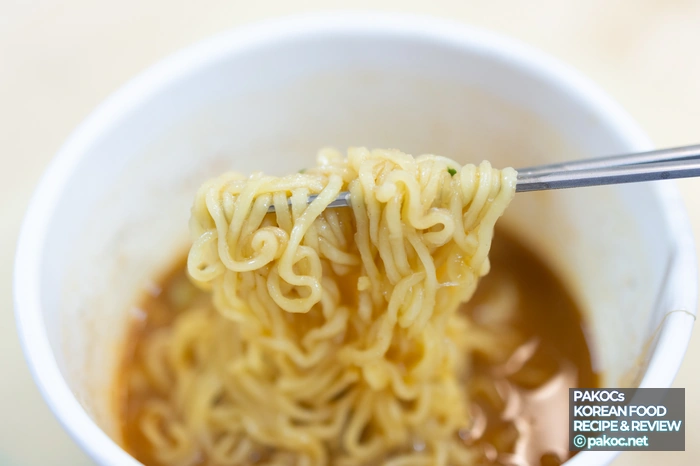

Copyright PAKOC https://pakoc.netThe aroma is less “spicy” and more like a lightly nutty broth with a hint of doenjang and perilla. I took a sip, and while it’s a bit hard to call it “real gamjatang,” the broth does taste quite close, and with the noodles added, the overall recreation is pretty convincing.
ⓒ
Copyright PAKOC https://pakoc.netWith gamjatang, some people add noodles early, while others add them near the end. Depending on your preference, you can adjust it to some extent just by controlling the water amount.
ⓒ
Copyright PAKOC https://pakoc.net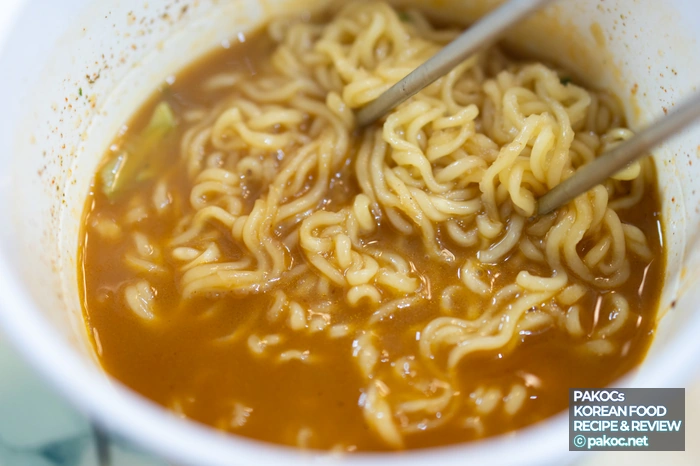
ⓒ
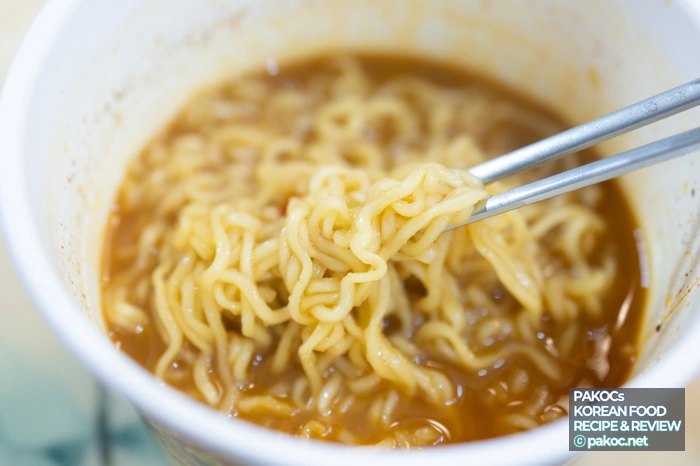
Copyright PAKOC https://pakoc.netThe perilla leaf or perilla seed aroma isn’t especially strong. It’s closer to that “lots of greens” vibe you get from ugeoji-heavy gamjatang. Overall, the flavor is milder than expected—maybe because there’s a hint of potato flavor—and the savory, slightly salty base subtly makes you want rice.
ⓒ
Copyright PAKOC https://pakoc.net
ⓒ
Copyright PAKOC https://pakoc.netDepending on the person, some might find the heat a bit too mild and feel it’s slightly lacking as “ramen.” Still, if you like gamjatang, it worked well as a quick meal.

ⓒ
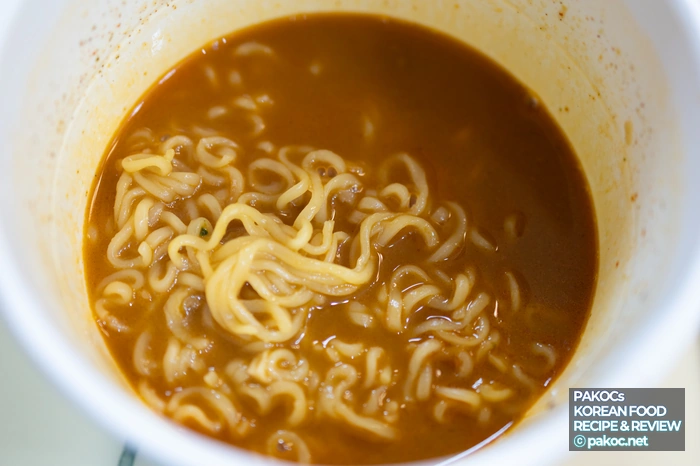
Copyright PAKOC https://pakoc.netPersonally, if they released this same base as a pack of instant noodles, I think it would do well. It’s also a good one to upgrade with real pork neck or extra vegetables. The umami is strong, and the “gamjatang as ramen” feel is nicely done.
ⓒ
Copyright PAKOC https://pakoc.net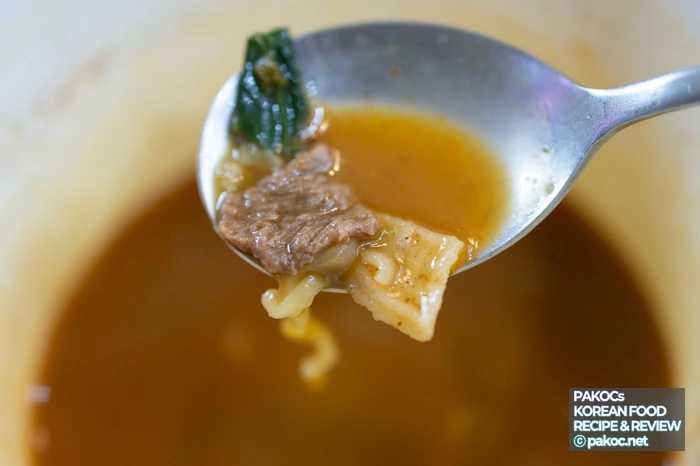
ⓒ
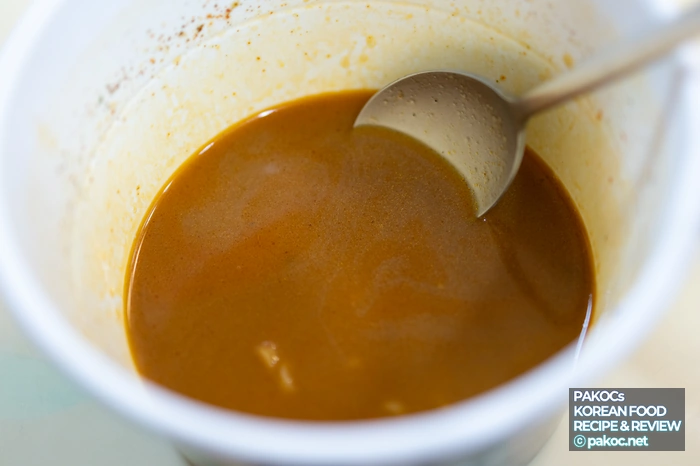
Copyright PAKOC https://pakoc.netWhat do you think? I ended up enjoying the gamjatang flavor so much that I scraped up everything, even the bits that settled at the bottom with the broth. If you prefer savory, nutty ramen with a distinctive, umami-rich profile over extremely spicy noodles, this is a flavor you’ll likely enjoy.
ⓒ
Copyright PAKOC https://pakoc.netimage sources
- 농심 감자탕 컵라면 리뷰: Copyright PAKOC https://pakoc.net