Hello. Today’s new GS25 item I’m introducing is Hyeja-style Tempura Udon 2900. It’s a brand-new menu item making a comeback in the Hyeja lunchbox series after a major renewal. This time, it’s not a typical lunchbox but a tempura udon menu. With various items like naengmyeon, noodles, and bibim noodles being released this year, it looks like udon is now joining the fresh meal lineup as well. Let’s take a closer look at what it’s like.
ⓒ
Copyright PAKOC https://pakoc.netHyeja-style Tempura Udon price and features
First, in the “Hyeja series,” this isn’t the first udon item. It’s not a fresh menu, and since there was previously an instant product called Hyeja-style Crispy King Tempura Udon, the key point will be how different the flavors are between the two. Back then, it was priced at 3,300 won, and this one—true to its name—is 2,900 won.

ⓒ
Copyright PAKOC https://pakoc.net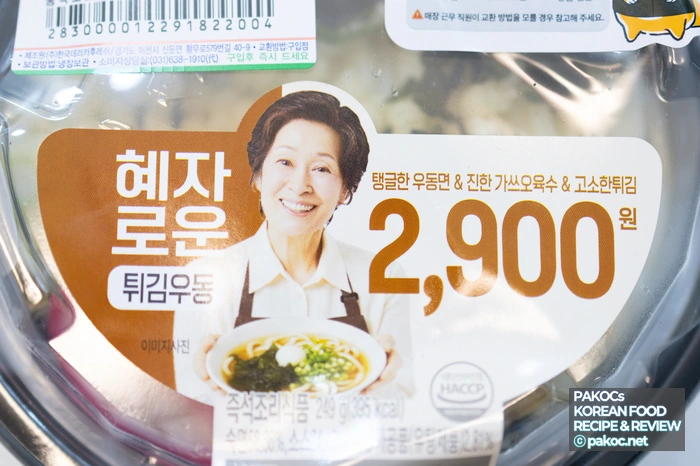
ⓒ
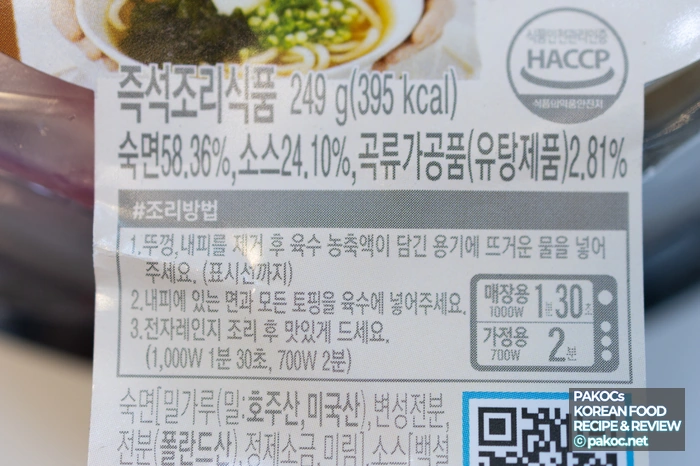
Copyright PAKOC https://pakoc.netThis menu was released with three concepts: springy udon noodles, rich katsuobushi broth, and savory tempura. Just looking at the ingredient names, you can easily tell what kind of combination it is. For preparation, remove the lid and inner film, pour hot water into the container holding the concentrated broth, then add all the noodles and toppings to cook. It may look a bit complicated, but it’ll make sense once you see it.
ⓒ
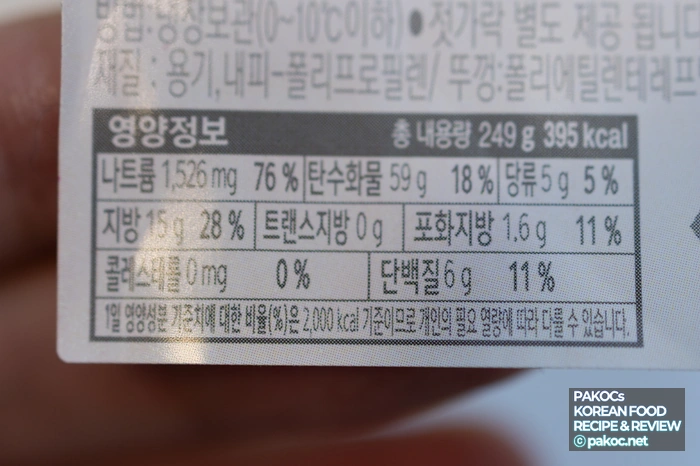
Copyright PAKOC https://pakoc.netThe total content is 249g, and it has 395 kcal, with sodium at about 76% of the daily recommended intake. Given the price, it feels like a simple one-meal udon option. Despite being tempura udon, the toppings are fewer than expected, so the calories are actually lower than many instant ramyeon. It might be a little light if you’re trying to feel fully satisfied.
ⓒ
Copyright PAKOC https://pakoc.netHyeja-style Tempura Udon components and cooking method
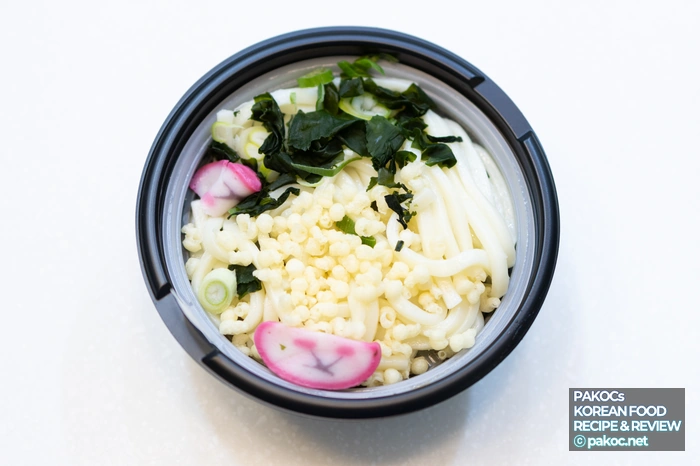
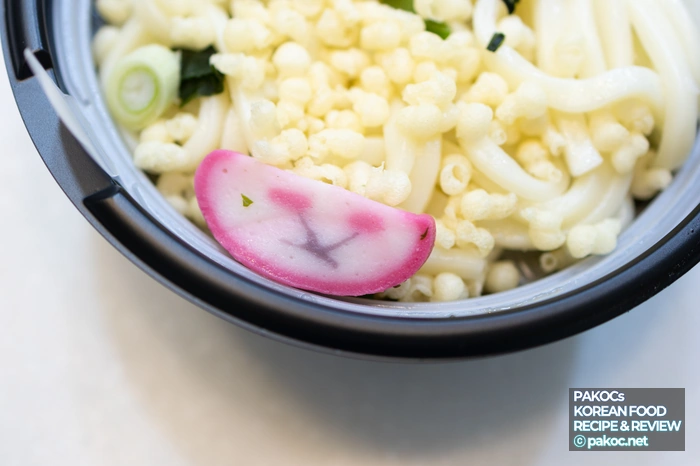
Now, let’s quickly check what’s inside and start cooking. When you open the package, the noodles and toppings are packed on top of a separate inner film like this. The noodles are labeled as aged noodles, and they don’t seem to be the trendy Sanuki-style noodles. And for the tempura topping, it looks like it’s all tenkasu (tempura bits).
ⓒ
Copyright PAKOC https://pakoc.netOther toppings seem to include seaweed and green onion fish cake. Toppings are pretty important in udon, but it’s not exactly a dish you eat for the toppings alone. With this lineup, it feels like a basic set of toppings that’s easy to enjoy.
ⓒ
Copyright PAKOC https://pakoc.net
ⓒ

Copyright PAKOC https://pakoc.netWhen you open the inner film lid, there’s a thick katsuobushi sauce inside. Pour hot water into it and it dissolves quickly, completing the broth.
ⓒ
Copyright PAKOC https://pakoc.net
ⓒ
Copyright PAKOC https://pakoc.netThen carefully place the noodles and toppings on top and microwave it. I microwaved it for about 1 minute 30 seconds in a 1000W microwave. The aroma of katsuobushi comes through quite strongly.

ⓒ
Copyright PAKOC https://pakoc.net
ⓒ
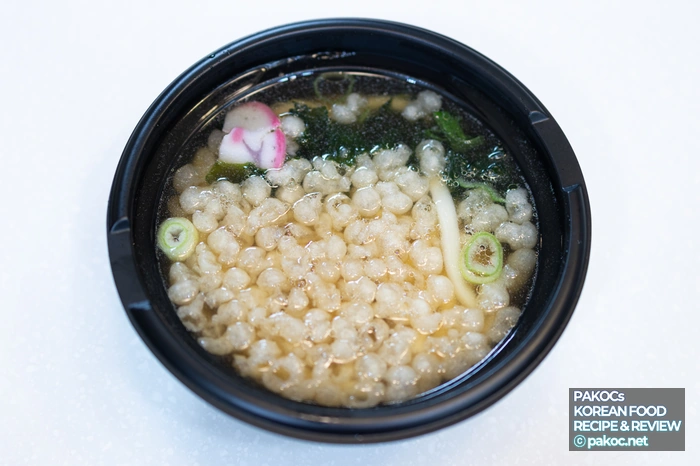
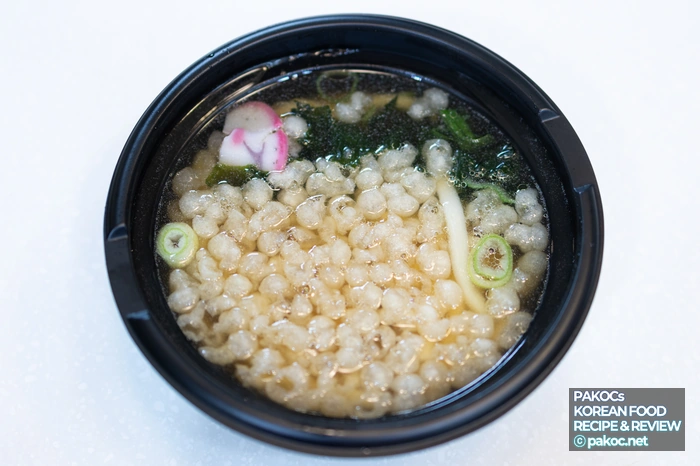
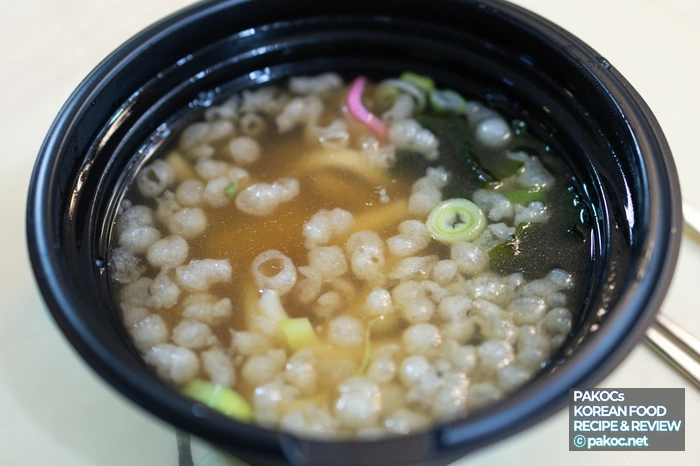
Copyright PAKOC https://pakoc.netThis is what it looks like when finished. It does have a bit of that instant udon vibe you’d get at a highway rest stop or back in the day at the Daejeon Station waiting area. If you swapped the seaweed for crown daisy, the look would be almost identical.
ⓒ
Copyright PAKOC https://pakoc.netHyeja-style Tempura Udon taste
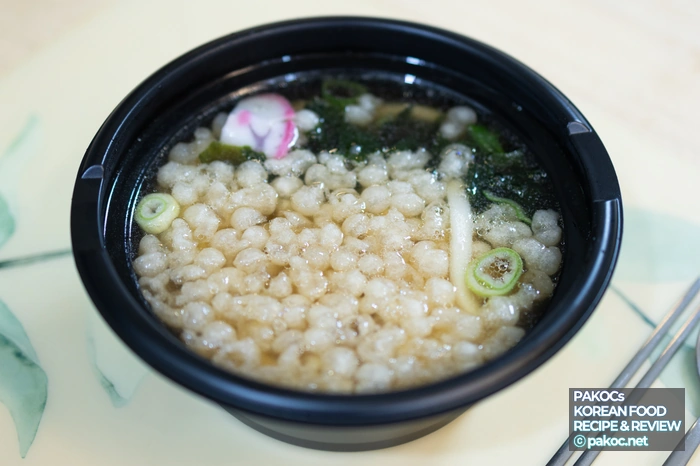
Now, let’s taste it. Before eating, I loosened the noodles well once. The noodles are bouncy, so they didn’t seem to break as easily as I expected.
ⓒ
Copyright PAKOC https://pakoc.net
ⓒ
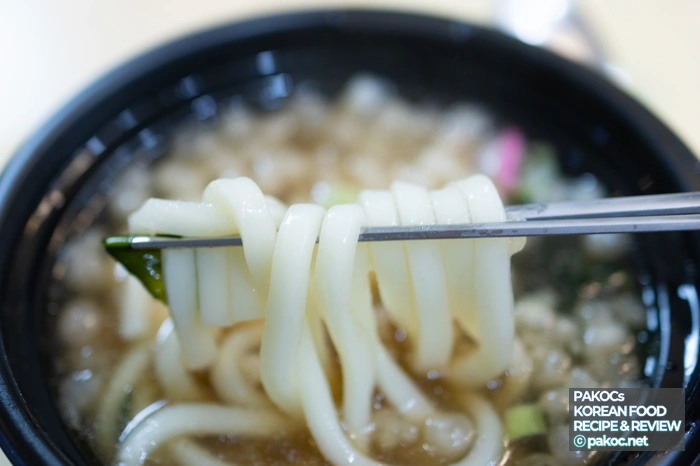
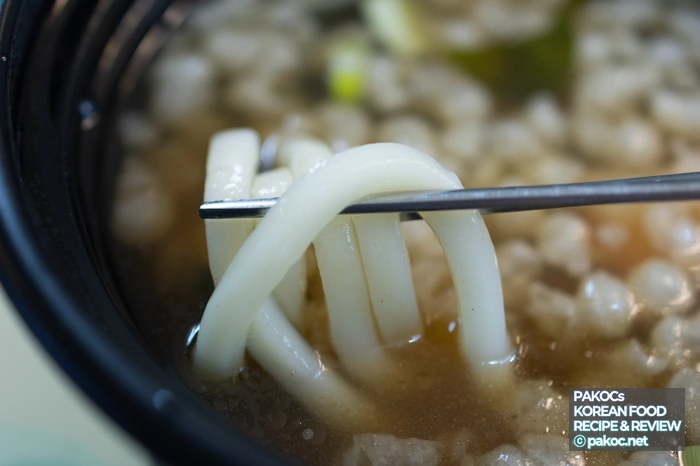
Copyright PAKOC https://pakoc.netWhen you take a bite with a chopstickful of noodles, it’s clearly different from instant foods where you just pour hot water over the noodles and eat. Maybe because it’s microwaved once, the noodles have absorbed a bit of the broth aroma. The broth itself is a katsuobushi-based soup with plenty of umami, and it’s fairly salty, so the flavor lingers in your mouth.

ⓒ
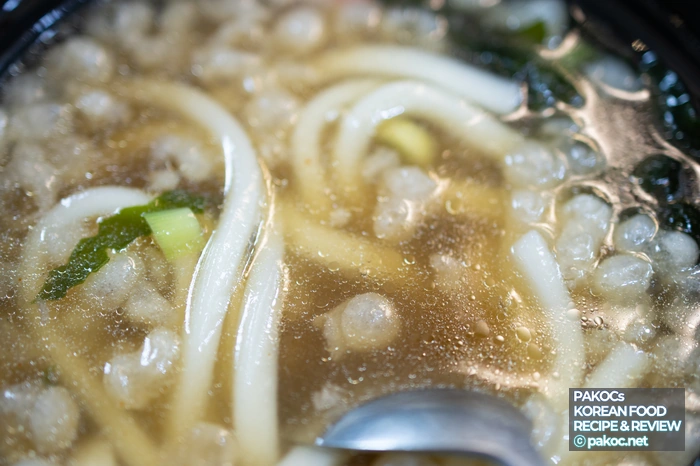
Copyright PAKOC https://pakoc.netIt’s not the trendy Sanuki-style noodles, but for this price, the quality is quite good. There’s hardly any floury smell, and the noodles aren’t dry or prone to breaking, so they’re very pleasant to eat.
ⓒ
Copyright PAKOC https://pakoc.net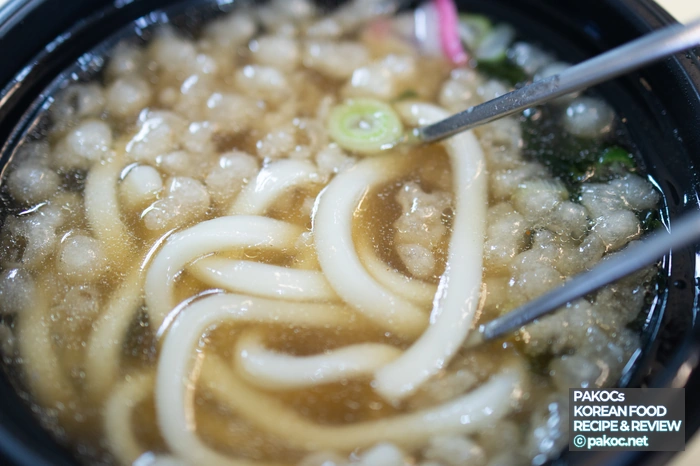
ⓒ
Copyright PAKOC https://pakoc.netThe broth feels quite rich, and compared to simply mixing udon soup base at home, it tastes like it has more ingredients in it—once you try it, you keep going back for more. So if you think about it, the biggest question for Koreans might be, “So is it better than Saengsaeng Udon ramyeon?”

ⓒ
Copyright PAKOC https://pakoc.net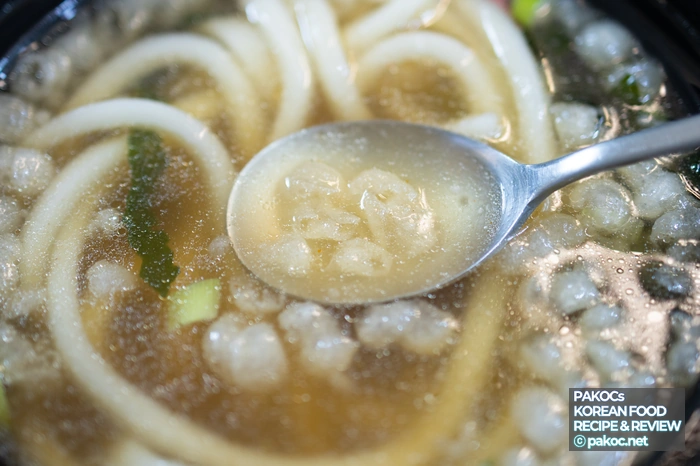
ⓒ
Copyright PAKOC https://pakoc.netBasically, it tastes better than Saengsaeng Udon. The overall quality is quite strong, and for the price, you also get a generous amount of broth, making it nice to enjoy alongside other foods. One downside is that this alone may not fully fill you up, but when you want a quick bowl of hot soup, it’s more than enough.
ⓒ
Copyright PAKOC https://pakoc.netThat’s how good the value is for the price. Even though this tempura udon is essentially just tempura bits and tenkasu, it’s a menu item that most people can enjoy without strong likes or dislikes.
ⓒ
Copyright PAKOC https://pakoc.net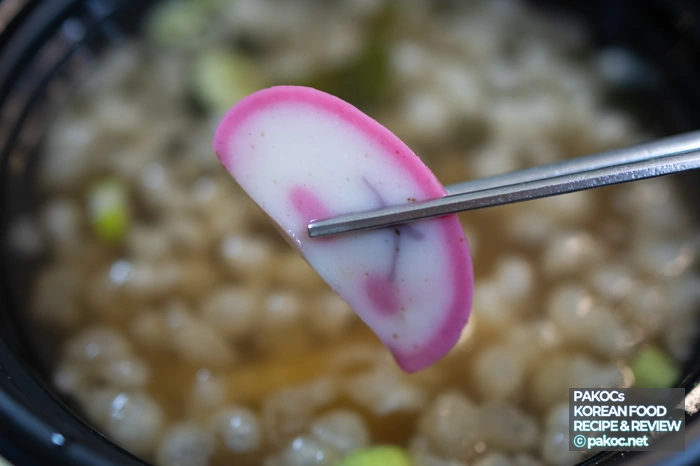
ⓒ
Copyright PAKOC https://pakoc.netHow about trying a lunchbox-style udon like this before winter ends? After eating this, I actually had one more triangle kimbap, and that felt just about filling. I think it’ll be similar for others too. If you like udon, this is definitely a menu item worth recommending.
ⓒ
Copyright PAKOC https://pakoc.netimage sources
- 즉석 우동 조리과정 사진: Copyright PAKOC https://pakoc.net