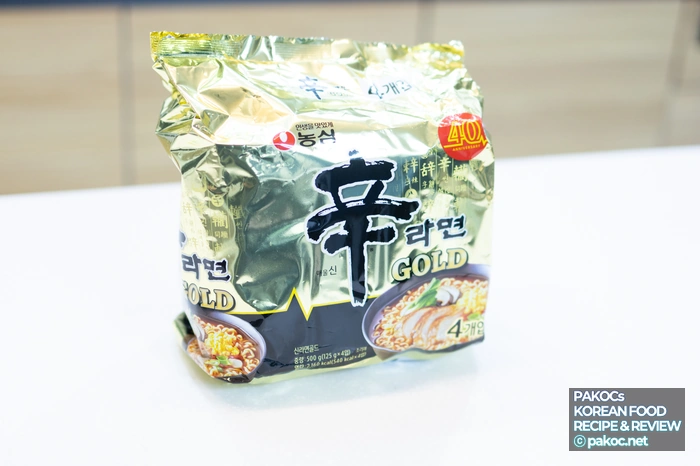
Hello. Today’s new Nongshim ramen I’m introducing is Shin Ramyun Gold, released to celebrate the 40th anniversary of Shin Ramyun. The product that used to be sold in Asia as “Spicy Chicken” moved over to North America and became Shin Ramyun Gold, and this is the version that was re-imported back into Korea. It adds Shin Ramyun’s signature heat to a chicken-based broth, creating a distinctive flavor that works surprisingly well. It’s quite spicy and warming, and instead of the toasty richness of beef, it features the savory depth and clean, refreshing finish that are characteristic of chicken stock. Let’s take a closer look at what it’s like.
ⓒ
Copyright PAKOC https://pakoc.netShin Ramyun Gold price and features
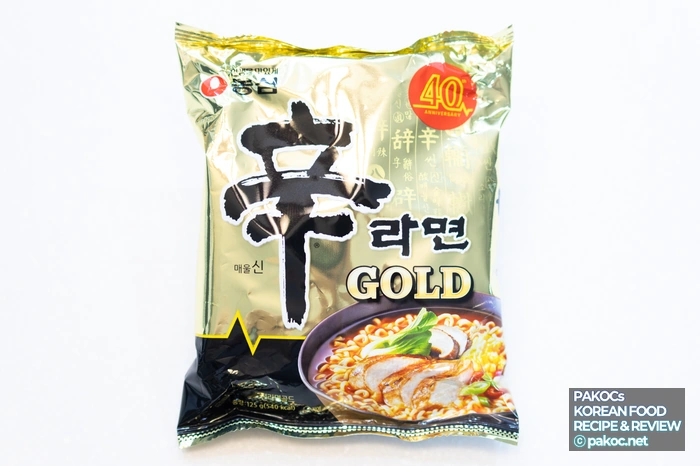
One of the biggest highlights of this release is that it launched overseas first and was then re-imported into Korea. Lately, it seems more common for brands to roll out products abroad first and bring them back domestically if the response is good. It also reflects a fairly ambitious goal for Shin Ramyun’s 40th anniversary: appealing to the local market not only with the classic beef profile, but also with a chicken flavor. The price is around KRW 4,800 for a 4-pack multipack. The list price is KRW 1,500 per pack, but it’s usually sold at a discounted price of about KRW 1,200, which feels reasonable.
ⓒ
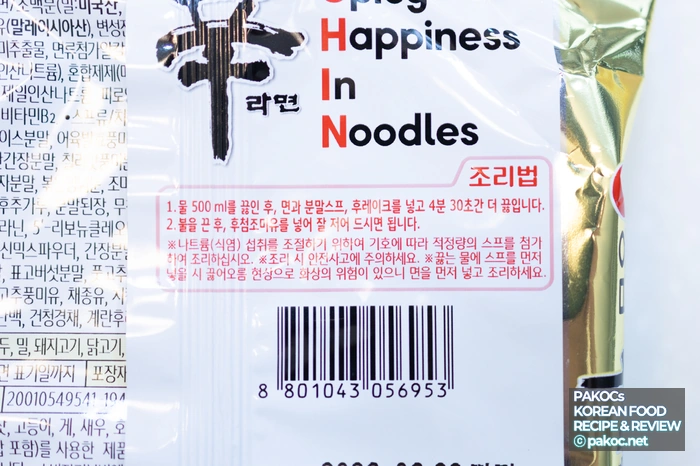
Copyright PAKOC https://pakoc.netCooking instructions for one pack: add the noodles, soup powder, and flakes to 500 ml of boiling water and cook for 4 minutes 30 seconds, then add only the finishing seasoning oil at the very end. Each pack contains 125 g and has 540 kcal, which isn’t much different from regular Shin Ramyun, but the sodium is quite high at 90% of the daily recommended intake. Still, it’s not dramatically different from the original Shin Ramyun.
ⓒ
Copyright PAKOC https://pakoc.net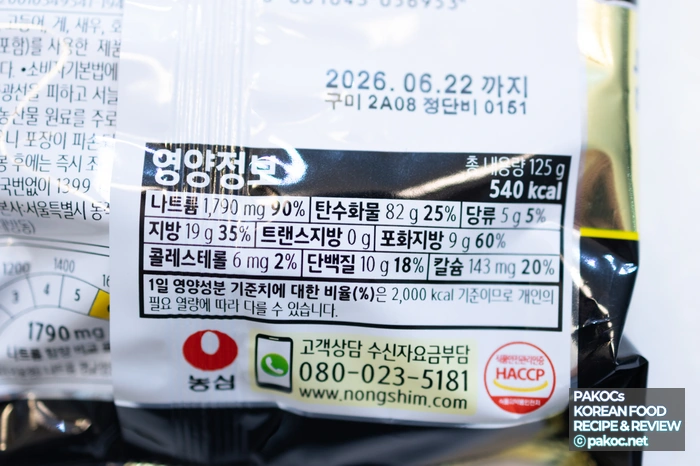
ⓒ
Copyright PAKOC https://pakoc.netShin Ramyun Gold components
Before cooking, let’s quickly check what’s inside. This product includes four items: the standard Shin Ramyun noodles, soup powder, flakes, and a finishing seasoning oil. Unlike some premium ramens that add special ingredients to the noodles as part of a “premium” strategy, this one uses the original Shin Ramyun noodles as-is. Since Shin Ramyun Gold isn’t much more expensive than the original, that makes sense.
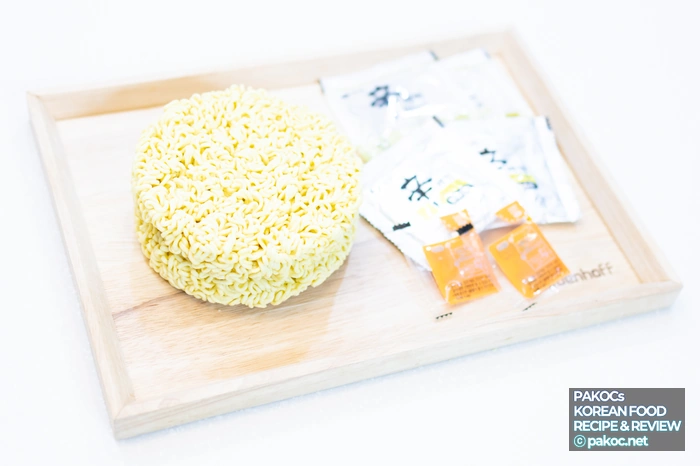
ⓒ
Copyright PAKOC https://pakoc.net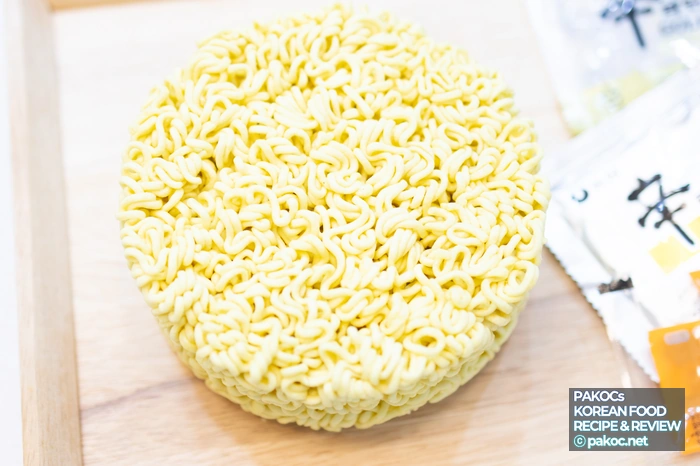
ⓒ
Copyright PAKOC https://pakoc.netCompared with the original Shin Ramyun, the soup powder doesn’t look very different at first glance. When I tasted a tiny bit, it was honestly hard to clearly distinguish “beef powder” from “chicken powder.” Still, it felt like the savory, mouth-coating umami was a touch stronger.

ⓒ
Copyright PAKOC https://pakoc.net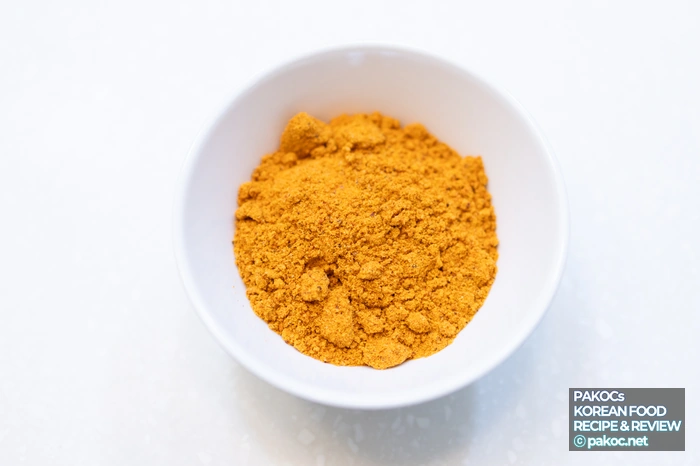
ⓒ
Copyright PAKOC https://pakoc.netThe flakes are a bit different. The usual mix of dried meat, dried bok choy, and dried carrot is mostly the same, but it doesn’t include the dried shiitake mushrooms found in the original. Instead, it comes with egg flakes.
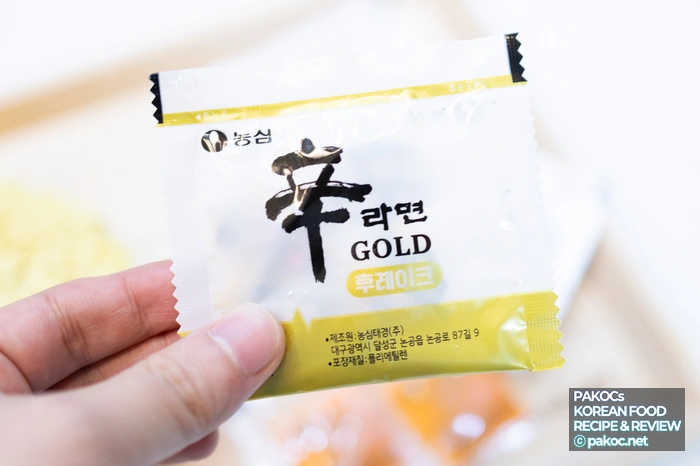
ⓒ
Copyright PAKOC https://pakoc.net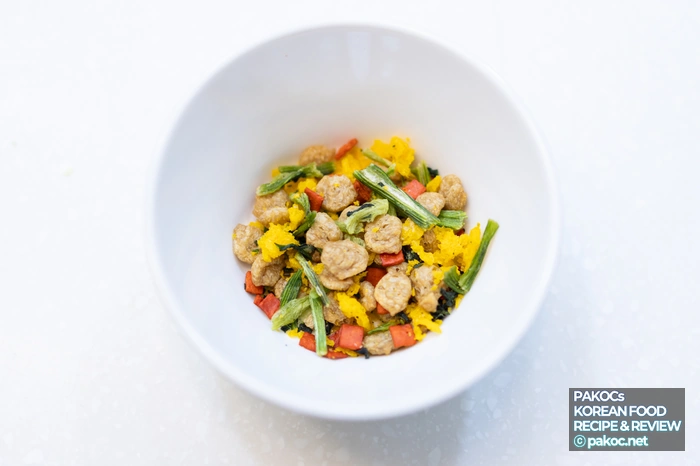
ⓒ
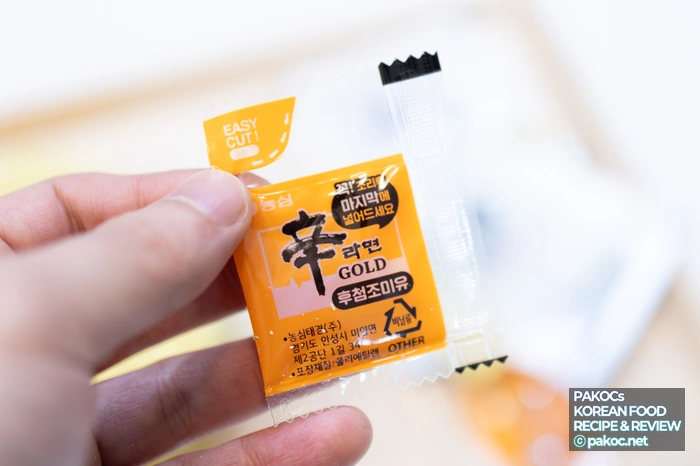
Copyright PAKOC https://pakoc.netLastly, the finishing seasoning oil. Adding it near the end to prevent the aroma from evaporating during boiling is the same approach used for other soup-based ramens with seasoning oil. Looking at the ingredient list, it appears to include typical canola oil along with stir-fried chili flavor oil, green chili flavor oil, roasted scallion oil, chicken seasoning oil, and more. It seems intended to add a bit of umami and an aromatic vegetable note.
ⓒ
Copyright PAKOC https://pakoc.netCooking Shin Ramyun Gold

Now, let’s start cooking. After getting the water boiling, I added the noodles, soup powder, and flakes and let it cook. While it boiled, a spicy aroma rose up, and unlike the original Shin Ramyun’s clean, sharp scent, this one felt a bit heavier, with a stronger, more robust spicy note.
ⓒ
Copyright PAKOC https://pakoc.net
ⓒ
Copyright PAKOC https://pakoc.netAfter it finished cooking, I drizzled in the finishing seasoning oil. The oil itself had a slight reddish tint, but the color was lighter than what you’d see in jjamppong-style ramens. Still, when you taste it, you can tell there’s heat in the oil as well.
ⓒ
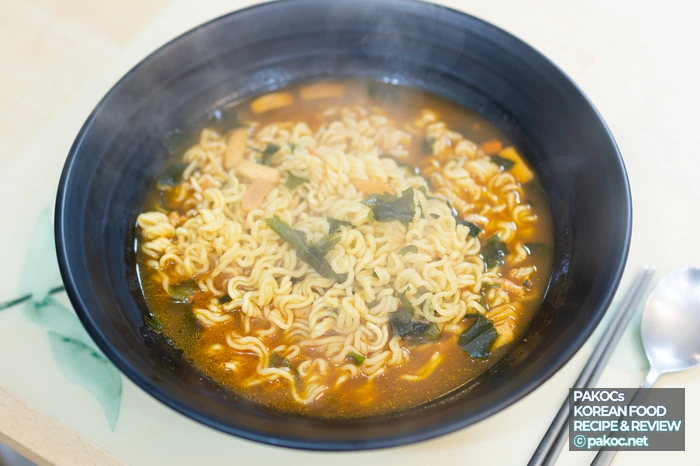

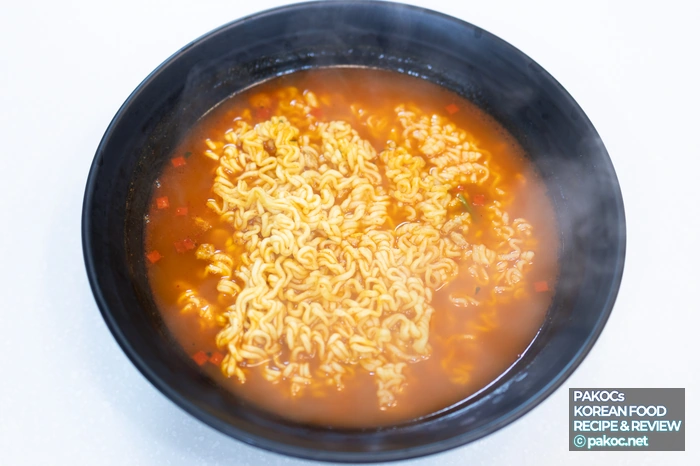
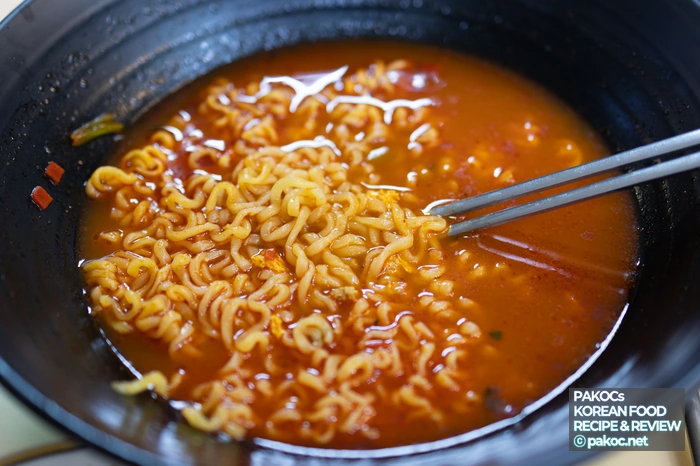
Copyright PAKOC https://pakoc.netAnd here is the finished Shin Ramyun Gold. Just from the aroma, it definitely felt like “Yep, this is Shin Ramyun,” with that spicy scent coming through. As mentioned earlier, rather than a refreshing feel, it leans more toward a sharp, slightly oily aroma, giving it a somewhat heavier impression.
ⓒ
Copyright PAKOC https://pakoc.net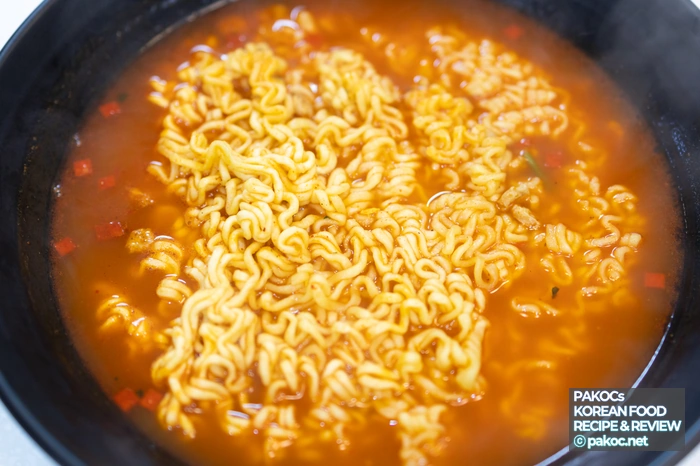
ⓒ
Copyright PAKOC https://pakoc.netShin Ramyun Gold taste
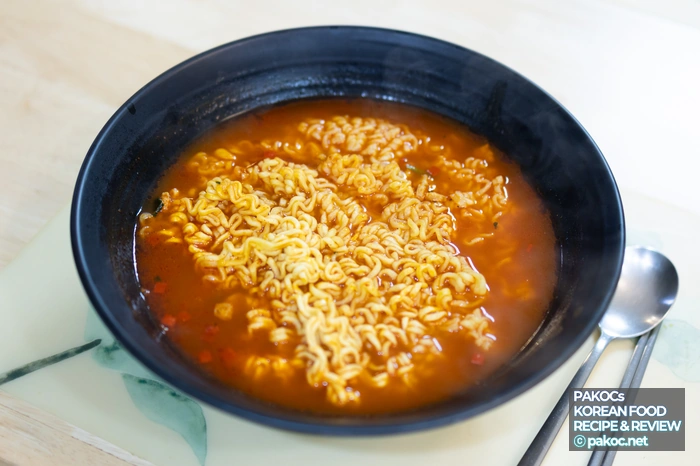
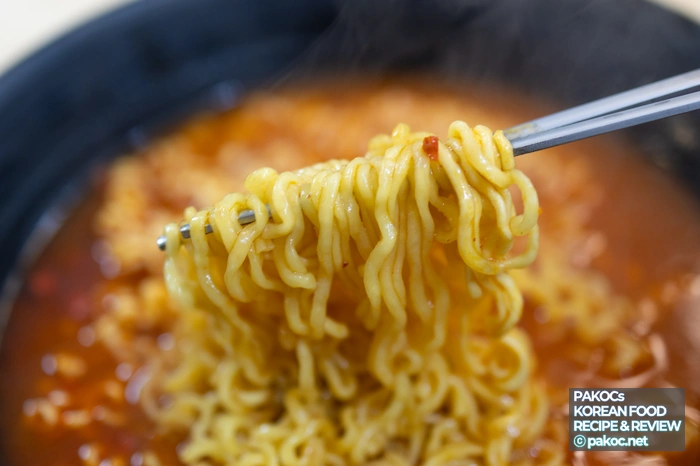
Next, I’ll taste it right away. Before taking a bite, I gave it a good stir so the seasoning oil, broth, and noodles would blend well. As soon as I tried it, I could clearly feel that bold, warming spiciness coming through.
ⓒ
Copyright PAKOC https://pakoc.net
ⓒ
Copyright PAKOC https://pakoc.netPeople say the original Shin Ramyun has gotten spicier these days, but it still feels manageable. This one, while a bit less intense than Shin Ramyun Red, still delivers a noticeably strong level of heat. And that distinctive savory depth in the broth is definitely there, too.
ⓒ
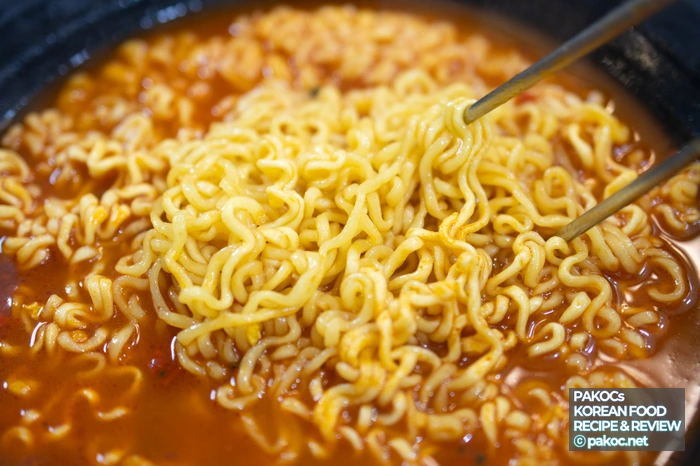
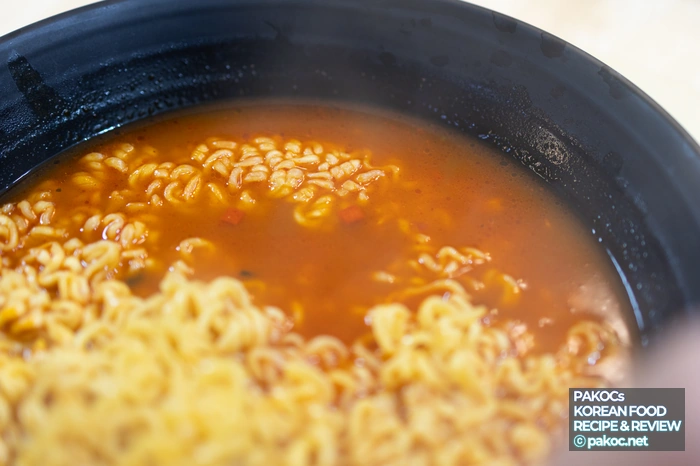
Copyright PAKOC https://pakoc.netCompared to other chicken-broth-style ramens released in Korea, this one stands out clearly by leaning hard into the spiciness. Perhaps thanks to the seasoning oil, the aromatic notes of chili and scallion were also quite pronounced. Still, the base flavor is solid, so even I—someone who isn’t great with very spicy food—could keep eating it without much trouble. Haha.
ⓒ
Copyright PAKOC https://pakoc.net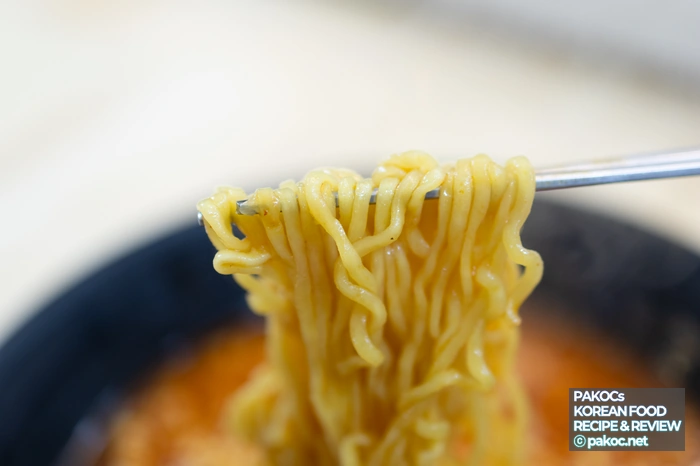
ⓒ
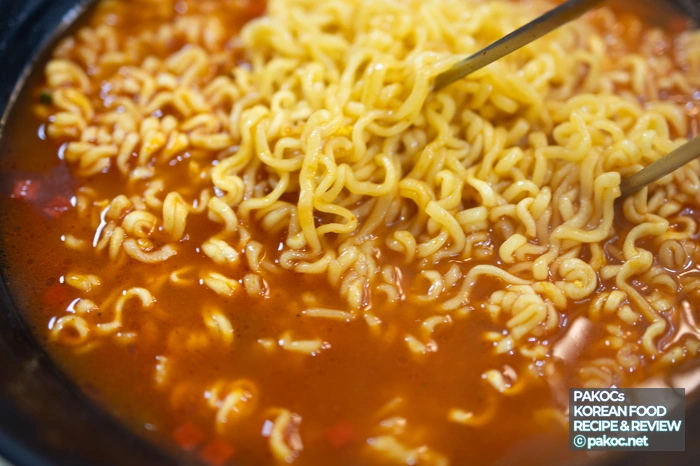
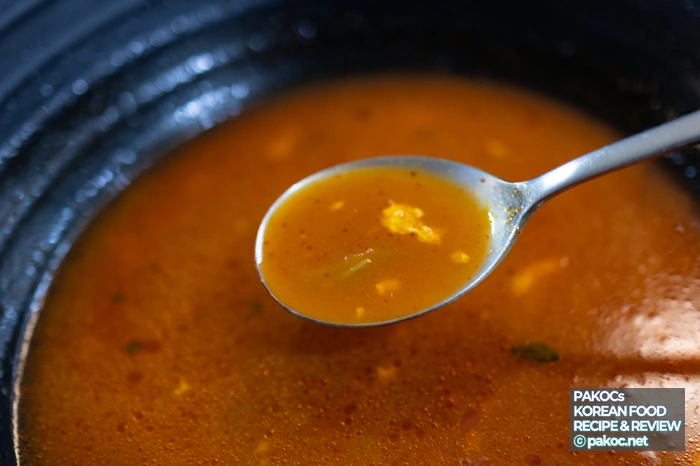
Copyright PAKOC https://pakoc.netRecently, many premium ramens have used finishing soup powder, and the artificial aroma can feel like it’s being forced into the broth (with the broth also feeling a bit thicker as a side effect). This one, however, felt less like that. The chicken-stock umami pairs with the heat nicely, and while the broth is slightly richer than the original Shin Ramyun, the aftertaste is quite clean.
ⓒ
Copyright PAKOC https://pakoc.netUnfortunately, I cooked two packs at once, so I didn’t get to add rice to the leftover broth, but if you’re someone who enjoys spicy soup, this is the kind of broth I’d recommend doing that with at least once. Among the Shin Ramyun line I’ve tried recently, this one offers good value and does a great job preserving the original character.
ⓒ
Copyright PAKOC https://pakoc.net
ⓒ
Copyright PAKOC https://pakoc.netThe most recent Shin Ramyun I reviewed was the K-pop Demon Hunters collaboration mini cup ramen. That one was unique and pretty good in its own way, but maybe because I’m Korean, I think Shin Ramyun is best when it has this kind of clean, straightforward broth. It got a good response overseas too, and I can see why people who tried it even went as far as buying it abroad and bringing it back.
ⓒ
Copyright PAKOC https://pakoc.netHow about you? Among the premium ramens that have come out recently, I personally thought this one offered pretty good value. It preserves Shin Ramyun’s signature profile while also capturing the distinctive flavor of chicken broth. If Nongshim Ramyun is all about a deep beef-ramen taste, this one feels like Shin Ramyun’s heat plus a richer chicken stock, making it very enjoyable to eat. It’s a product I’d gladly recommend.
ⓒ
Copyright PAKOC https://pakoc.net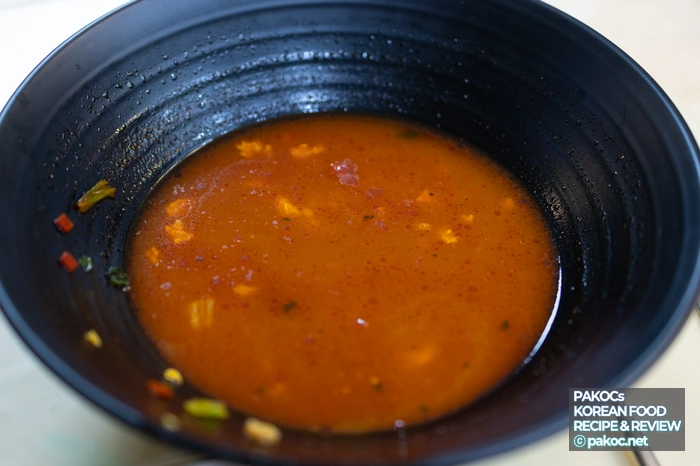
ⓒ
Copyright PAKOC https://pakoc.netimage sources
- 신라면 골드 조리 방법: Copyright PAKOC https://pakoc.net