Translation guideline: Paldo should be rendered as Paldo (or transliterated into the target language). “Instant Rabokki” must include a one-time explanation that it means “instant” + rabokki (“ramen + tteokbokki”) and the term “instant rabokki” should appear once as a direct translation in the body.
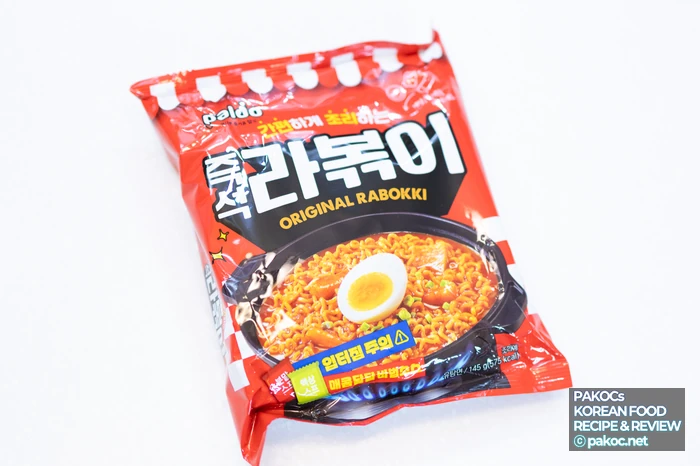
Hello. Today’s Paldo ramen item is Instant Rabokki. To be honest, this product has been out for quite a while. However, maybe retail distribution has changed. A product that was hard to spot even at big-box stores has been showing up everywhere lately. I also hadn’t reviewed it yet. So I bought it to try again after a long time. I think fewer people have tried Instant Rabokki than you’d expect. It’s made so you can cook rabokki easily with a bag of noodles. For reference, “instant rabokki” literally means instant + rabokki (ramen + tteokbokki). So, let’s take a closer look.
📋 At a Glance
- Product name: Paldo Instant Rabokki
- Brand: Paldo
- Price: About KRW 5,500 at supermarkets
- Net weight: 145g
- Calories: 575kcal
- What’s inside: Square noodle block, liquid sauce, powder seasoning (no dried toppings)
- How to cook: Two methods: ramen-style (quick) or tteokbokki-style (“enjoy it properly”)
- Overall: ★3.5 — An easy way to recreate that sweet-and-spicy snack-bar rabokki flavor. Add toppings and it gets even better.
Instant Rabokki Price and Key Features
When I tried to jog my memory for this review, I realized the last time I ate it was back in the “Paldo Rabokki” days. So yes, it’s been a long time. Honestly, I don’t remember the flavor that well. Still, if I try to recall it, I remember a sweet gochujang-based taste. It felt like there was a bit of fructose mixed in, similar to Ottogi tteokbokki sauce. That makes me curious about what has changed since then. As for the price, you can buy it for around KRW 5,500 at supermarkets.
ⓒ
Copyright PAKOC https://pakoc.netRecommended Toppings and Cooking Tips
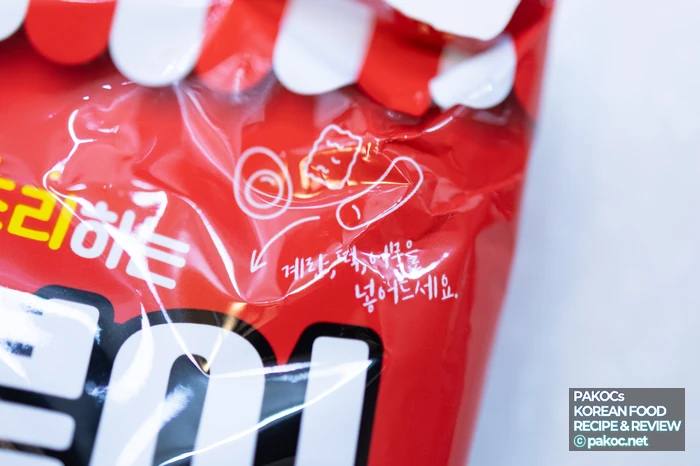
So I’m going to review it almost like it’s my first time. Since this pack basically only includes noodles, I recommend adding toppings like fish cake, eggs, rice cakes, and cabbage. From what I remember, a handful of fish cake and extra rice cakes was about right. I also think I added about one boiled egg, like a “Gamdongran”-style egg. In particular, it’s labeled as a “spicy-sweet bibim sauce—warning: you might keep eating.” So I’m curious whether it tastes different from what I remember.
ⓒ
Copyright PAKOC https://pakoc.net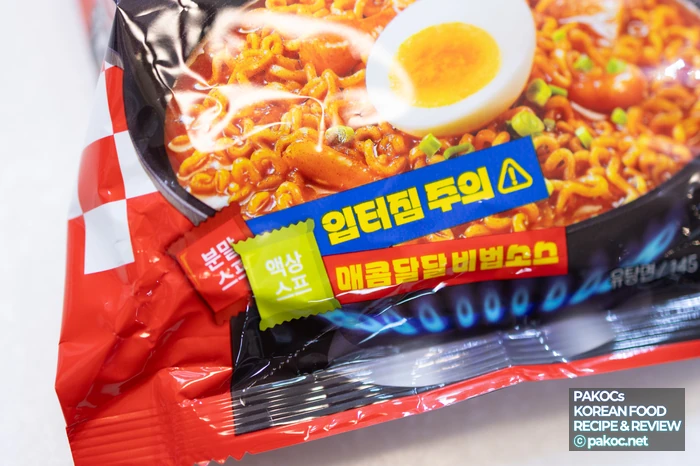
ⓒ
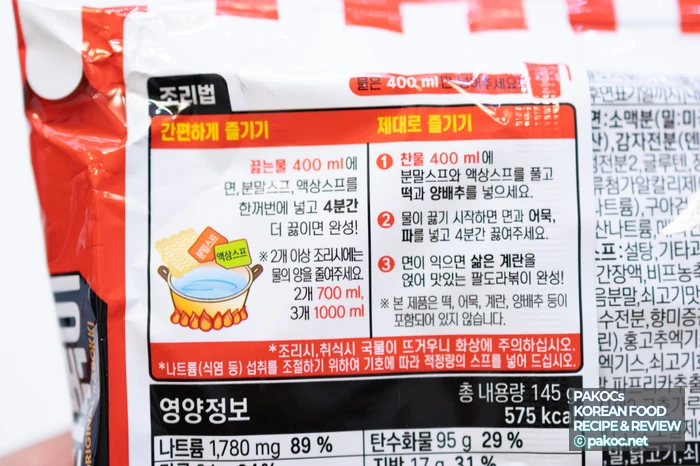
Copyright PAKOC https://pakoc.netThere are two cooking methods. One is a quick ramen-style boil. The other is a “enjoy it properly” method that’s closer to real tteokbokki. The seasonings are split into two packets, powder and liquid. The water amount is also specified separately. Today, I’m going with the easy ramen-style method.
By the way, this happened a long time ago, but I once added a bit of leftover onion from the fridge and it turned noticeably sweeter. I’m guessing it’ll be similar this time too.
ⓒ
Copyright PAKOC https://pakoc.netCalories and Ingredient Notes
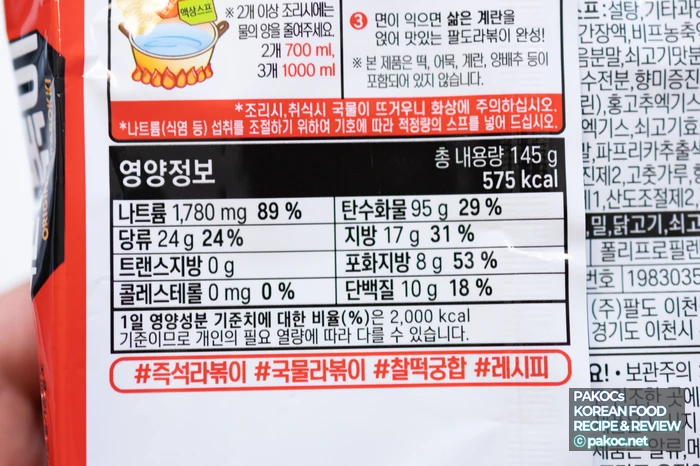
The total content is 145g. It has 575kcal, and the sodium is about 89% of the recommended daily intake. Since it’s essentially tteokbokki, higher calories and sodium feel unavoidable.
If you look at the ingredients, the sauce includes sugar, fructose, and apple concentrate. So it still seems like it will lean sweet. Compared with homemade tteokbokki made with real gochujang and chili flakes, it’s more like that Paldo Bibim Men-style sweet-and-spicy profile.
ⓒ
Copyright PAKOC https://pakoc.net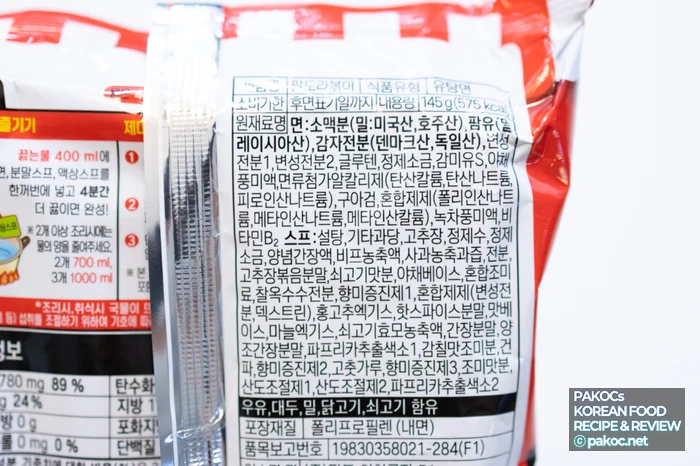
ⓒ
Copyright PAKOC https://pakoc.netInstant Rabokki: What’s Inside
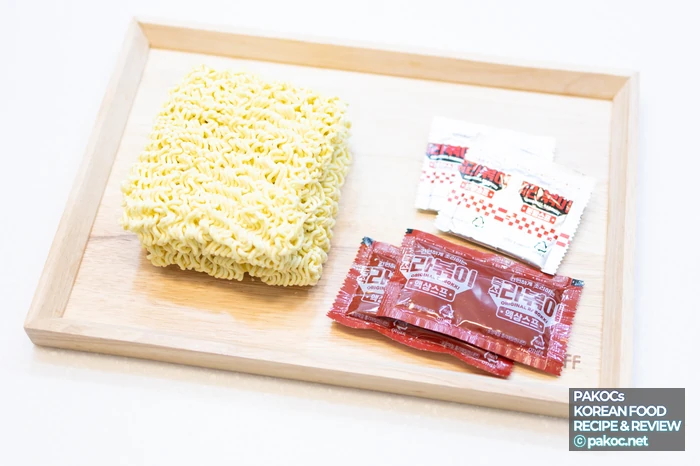
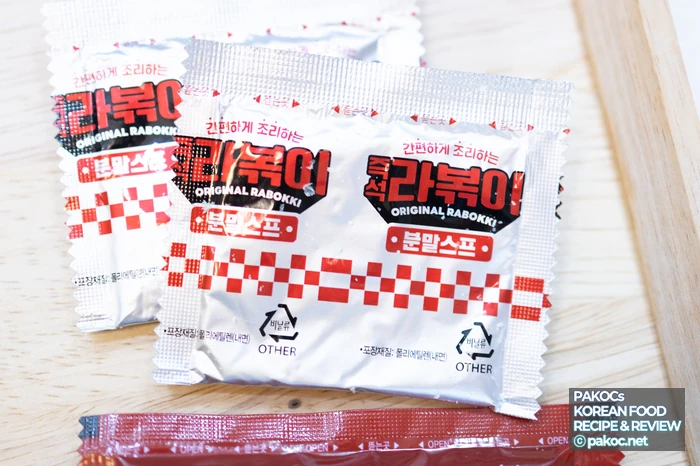
Now, let’s quickly check what comes in the pack. It looks kind of elaborate, but it’s actually very simple. The noodles are a standard square block. The seasonings come as two packets: a liquid sauce and a powder seasoning. There are no dried toppings at all.
ⓒ
Copyright PAKOC https://pakoc.net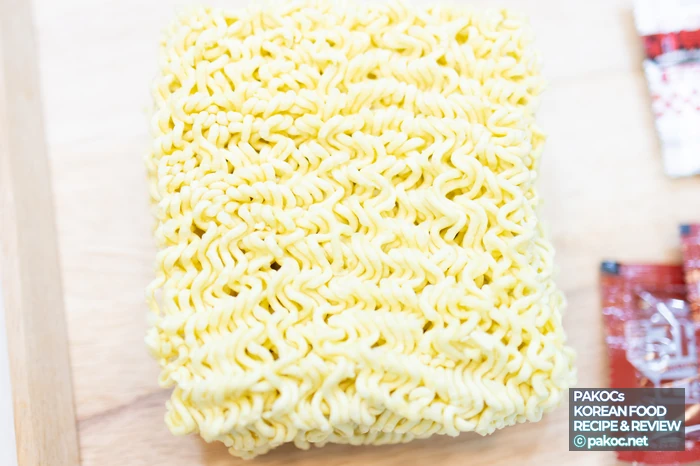
ⓒ
Copyright PAKOC https://pakoc.netLiquid Sauce and Powder Seasoning
There are two seasoning packets. Looking at the ingredient list, the liquid sauce seems to bundle typical liquid components like fructose, gochujang, purified water, soy sauce base, and concentrates. Meanwhile, the powder packet appears to be chili powder plus various seasonings.
ⓒ
Copyright PAKOC https://pakoc.net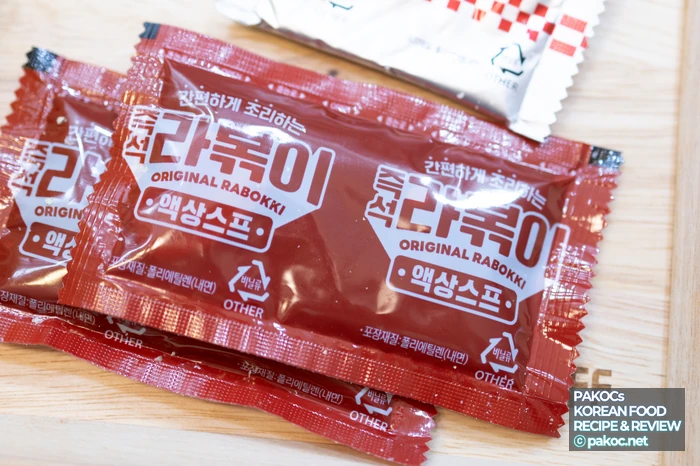
ⓒ
Copyright PAKOC https://pakoc.netCooking Instant Rabokki

Let’s cook it right away. Since I’m making two packs, I measured the water exactly to 700ml as the instructions say. As soon as the water boiled, I added the noodle blocks and both the powder and liquid packets.
ⓒ
Copyright PAKOC https://pakoc.net
ⓒ

Copyright PAKOC https://pakoc.netWhen you first add the noodles and start boiling, you might wonder if this is really tteokbokki. In fact, cooked this way it’s closer to soupy tteokbokki. Still, the powder seasoning seems to include some starch. So as it boils, it does thicken up a bit.
ⓒ
Copyright PAKOC https://pakoc.net
ⓒ
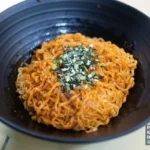
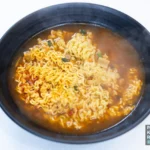
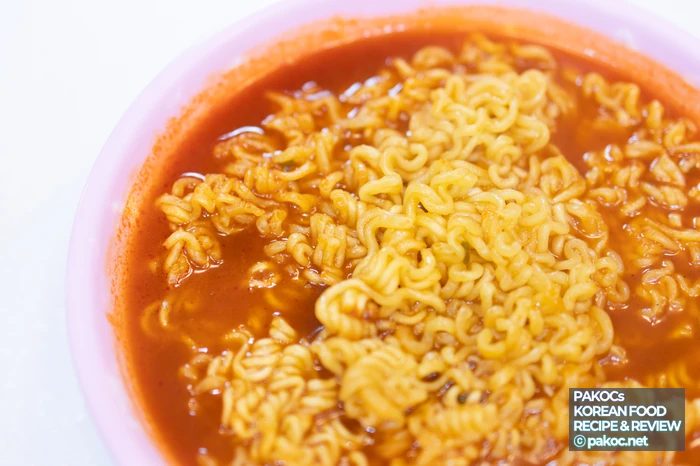
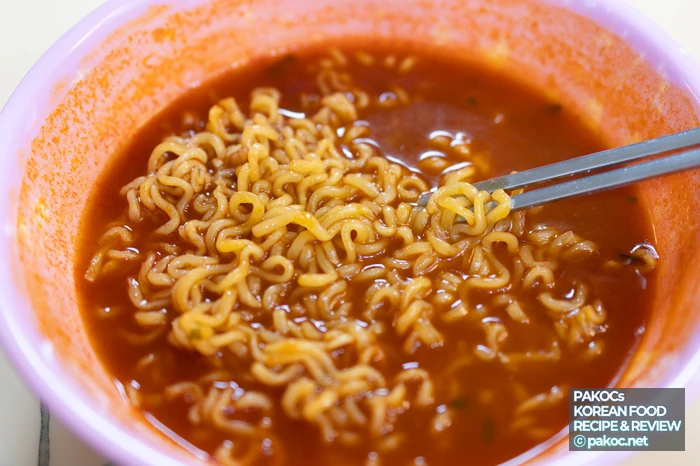
Copyright PAKOC https://pakoc.netThis is what it looks like when it’s done. Since there are no toppings, it may look even more like this. Still, it definitely feels more like ramen than classic rabokki.
ⓒ
Copyright PAKOC https://pakoc.netHow Instant Rabokki Tastes
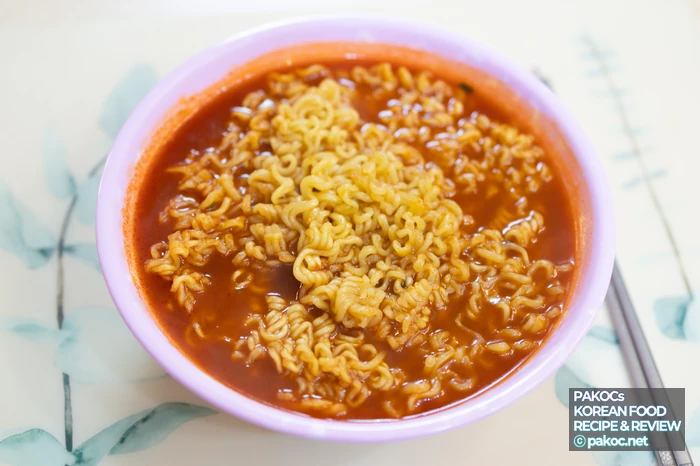
Now, let’s taste it. Even after cooking, it still feels like there’s a bit too much broth. However, judging by the look, it doesn’t seem bland. The broth looks thin, but it’s actually thicker than you’d expect.
ⓒ
Copyright PAKOC https://pakoc.netHow Close Is It to Snack-Bar Rabokki?
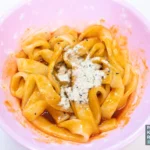

With the first bite, that spicy, soupy rabokki flavor hits right away. The sauce is slightly thick, so it clings well to the noodles and boosts the flavor. The taste is quite similar to the signature sweet sauce you get when you order rabokki at places like Gimbap Cheonguk or Gimgane.
However, the sweetness feels a bit closer to Paldo Bibim Men. That said, it may come across differently depending on your palate.
ⓒ
Copyright PAKOC https://pakoc.net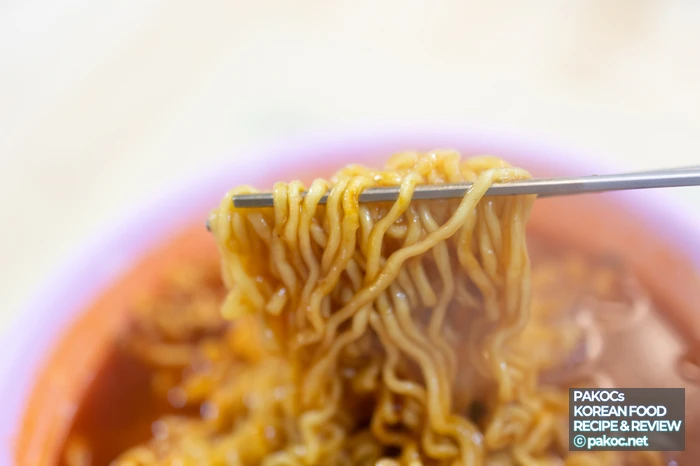
ⓒ
Copyright PAKOC https://pakoc.netAdding Toppings and Versatility
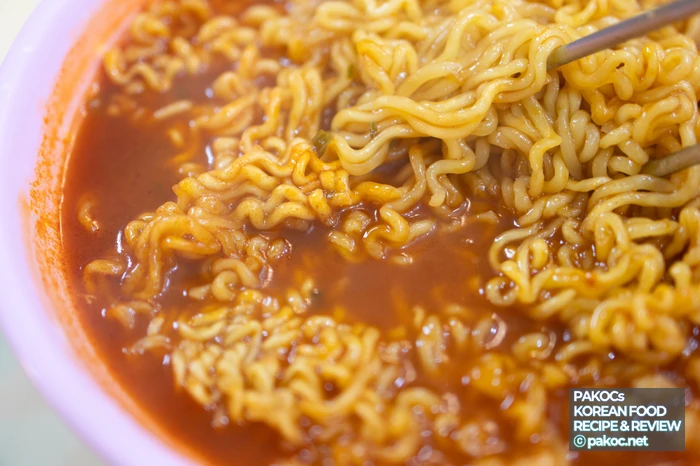
The broth itself is fairly spicy and nicely savory. As a ramen-style version, it felt just right. If you add cabbage, rice cakes, eggs, or extra tteok, it makes sense to use a little less water so it turns thicker. It also seems like it would work well that way.
ⓒ
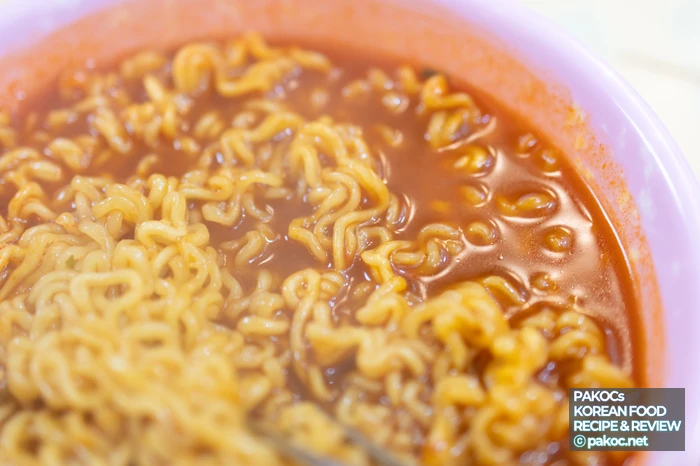
Copyright PAKOC https://pakoc.netPersonally, even cooking it as-is and eating it like rabokki gives a similar vibe. As a convenient substitute, it feels pretty solid. It should also be good with gimbap. Moreover, it seems like it would pair well with almost anything. Of course, adding other ingredients is fine too. Still, from my past experience, it can be surprisingly annoying to prep extras. So it’s best to do it based on your preference.
ⓒ
Copyright PAKOC https://pakoc.net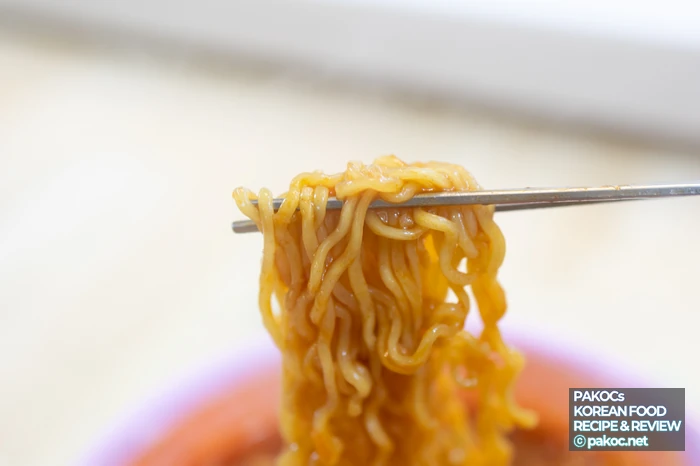
ⓒ
Copyright PAKOC https://pakoc.netCompared to How It Used to Taste
Thinking back carefully, it doesn’t seem drastically different from the old sauce. Still, it feels a bit spicier than before. The sweet-and-spicy note also seems stronger. As consumer tastes change over time, it felt like this product has evolved too. At least, that’s how it is in my memory. Or maybe my tongue just can’t handle intense flavors as well as it used to.
ⓒ
Copyright PAKOC https://pakoc.netFinal Verdict on Instant Rabokki
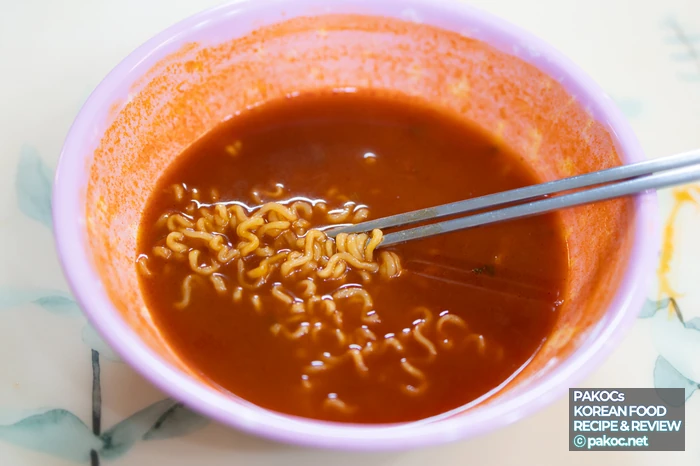
At the end, I even scooped up the little noodle bits with a spoon. Surprisingly, the broth tasted pretty good. Personally, it felt like a decent, convenient alternative for enjoying tteokbokki. If you expect the clean, straightforward flavor of homemade tteokbokki, you might be disappointed. However, I recommend it to anyone looking for an easy tteokbokki fix, especially if you like a sweet-and-spicy style.
ⓒ
Copyright PAKOC https://pakoc.net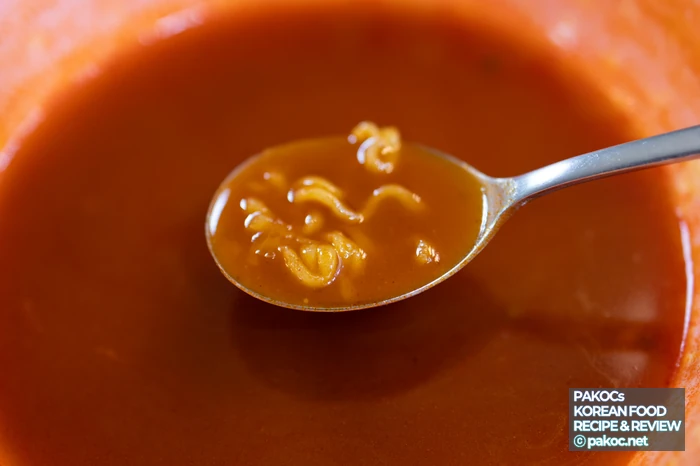
ⓒ
Copyright PAKOC https://pakoc.netFrequently Asked Questions
Q. How much does Paldo Instant Rabokki cost?
At supermarkets, it typically costs about KRW 5,500. It’s 145g and 575kcal. It includes a noodle block plus liquid and powder seasonings, and it does not come with any dried toppings.
Q. Is Paldo Instant Rabokki good?
It’s similar to the sweet sauce flavor of snack-bar rabokki from places like Gimbap Cheonguk or Gimgane. It’s spicy with a Paldo Bibim Men-like sweetness, and the sauce clings well to the noodles, so it’s quite enjoyable.
Q. What toppings go well with Instant Rabokki?
I recommend adding a handful of fish cake and extra rice cakes, plus one boiled egg. Cabbage or onion adds more sweetness and improves the flavor. Also, if you use a bit less water and cook it thicker, satisfaction goes up.
image sources
- 단순한 구성 장점 사진: Copyright PAKOC https://pakoc.net