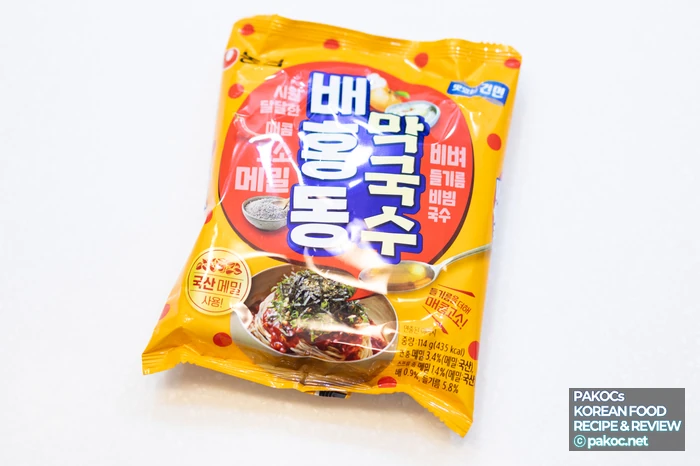
Hello. Today’s new Nongshim ramen I’m introducing is Baehongdong Makguksu, released as part of the Baehongdong lineup. This summer, the bibim noodle competition looks pretty fierce again. This time, though, Nongshim seems to be getting ready early, starting in early March. The existing Baehongdong, and related items like Baehongdong Jjoljjolmyeon, have gotten a great response. I also remember enjoying them a lot. So, let’s take a quick look at what this new release is like.
📋 At a Glance
- Product name: Baehongdong Makguksu
- Brand: Nongshim
- Price: KRW 4,500 (4-pack multipack, Nongshim official store)
- Net weight: 114g
- Calories: 435kcal
- Key components: Air-dried noodles (Korean buckwheat noodles), bibim sauce (includes perilla oil), whole-buckwheat topping (seaweed, buckwheat, toasted sesame)
- Release date: Early March 2026
- Overall: ★4.0 — A spicy-sweet bibim noodle that keeps Baehongdong’s signature character while bringing out that makguksu aroma.
Baehongdong Makguksu Price and Key Features
This one is a makguksu-style bibim noodle that packs in several highlights, like a cool and lightly sweet bibim noodle vibe, buckwheat noodles, and perilla oil. Like the previous Jjoljjolmyeon, this also appears to be an air-dried noodle type. I bought a 4-pack multipack from the Nongshim official store for about KRW 4,500.
ⓒ
Copyright PAKOC https://pakoc.net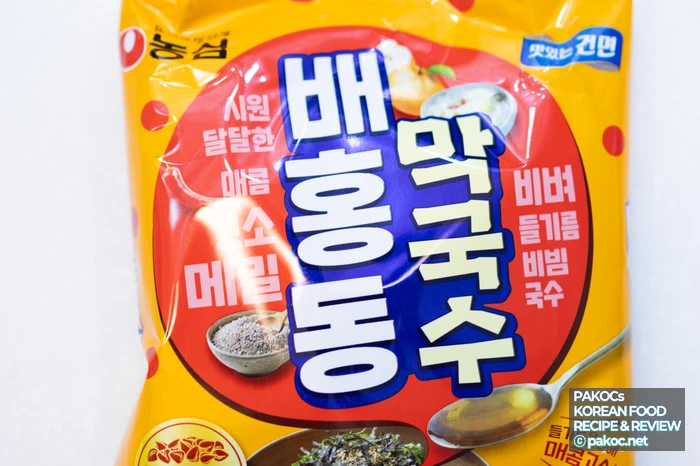
ⓒ
Copyright PAKOC https://pakoc.netA Combination of Korean Buckwheat and Perilla Oil
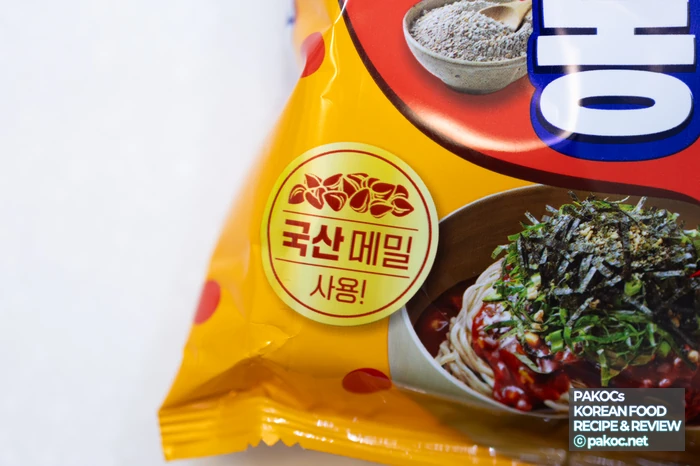
The biggest selling points are that it uses Korean buckwheat and adds perilla oil for a spicy, nutty finish. However, looking at the ingredients, it is not 100% buckwheat. It is made with a wheat base mixed with buckwheat. Still, for instant noodles, that is not bad at all.
ⓒ
Copyright PAKOC https://pakoc.net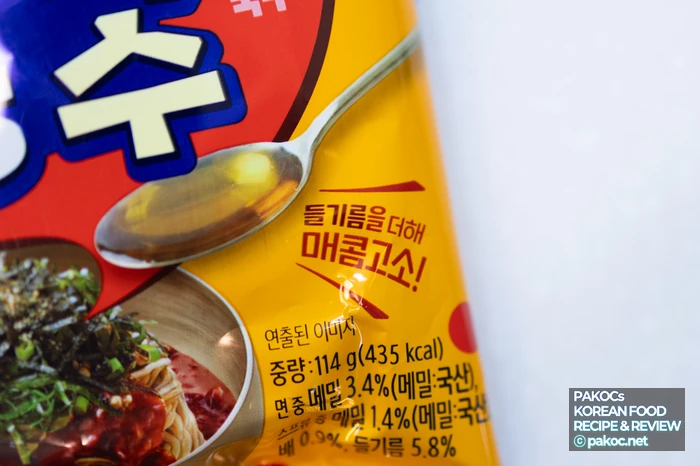
ⓒ
Copyright PAKOC https://pakoc.netNutrition Facts and Cooking Instructions
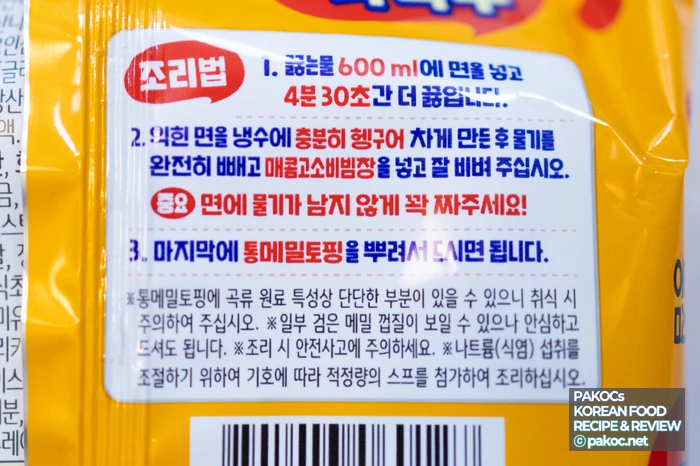
For one serving, add the noodles to 600ml of boiling water and cook for 4 minutes 30 seconds. Rinse the cooked noodles thoroughly in cold water to chill them. Then add the bibim sauce and sprinkle on the buckwheat topping before mixing. As with other Baehongdong items, you should squeeze out the water well so none is left.
ⓒ
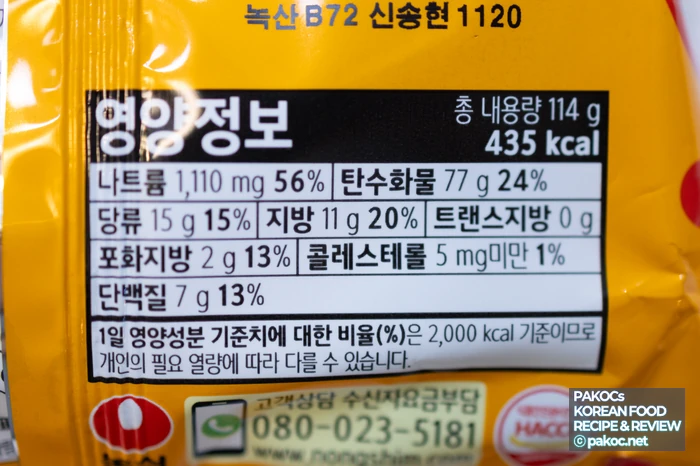
Copyright PAKOC https://pakoc.netThe total net weight is 114g, with 435kcal. Sodium is at 56% of the daily recommended intake. Since it is air-dried noodles, the calories are slightly lower than many other instant noodles. Also, the sodium is not surprisingly high, so it feels easier to enjoy.
As mentioned earlier, the noodles are a wheat-and-buckwheat blend. It says buckwheat makes up 3.4% of the total noodle content, likely because many other ingredients are included as well. From that alone, it is hard to tell the exact wheat-to-buckwheat ratio. The perilla oil seems to be included in the sauce packet.
ⓒ
Copyright PAKOC https://pakoc.net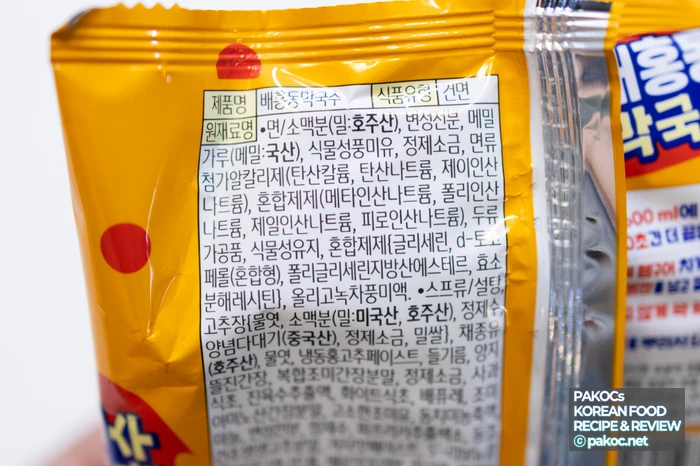
ⓒ
Copyright PAKOC https://pakoc.netBaehongdong Makguksu: What’s Inside
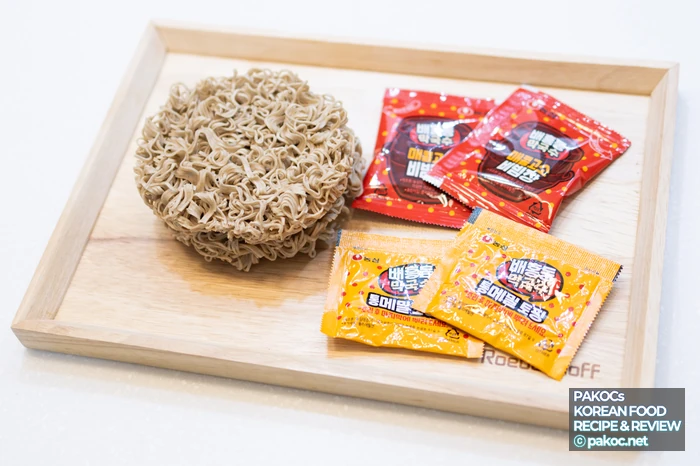
Now, let’s quickly check what comes in the pack. The cooking instructions already hinted at it a bit. This menu includes three components: air-dried buckwheat-style noodles, bibim sauce, and a whole-buckwheat topping. The ingredients list shows perilla oil in the sauce, so it does not seem to come separately.
ⓒ
Copyright PAKOC https://pakoc.net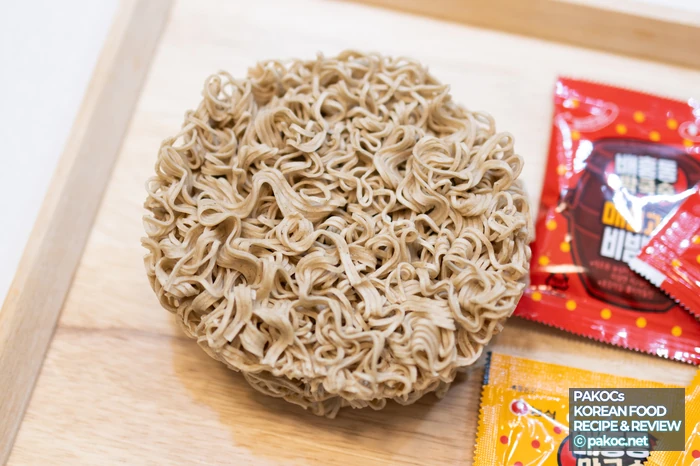
ⓒ
Copyright PAKOC https://pakoc.netBibim Sauce and Whole-Buckwheat Topping
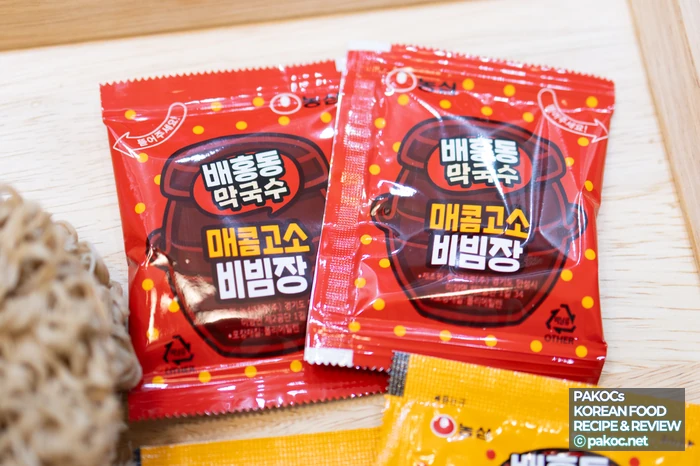
The bibim sauce is a relatively thin liquid sauce. It also seems to include perilla oil. The whole-buckwheat topping, like other Baehongdong items, likely boosts both flavor and texture with a distinctive finish. I remember Baehongdong Jjoljjolmyeon’s tempura bits and egg topping being surprisingly good. So, I’m looking forward to this one too.
ⓒ
Copyright PAKOC https://pakoc.net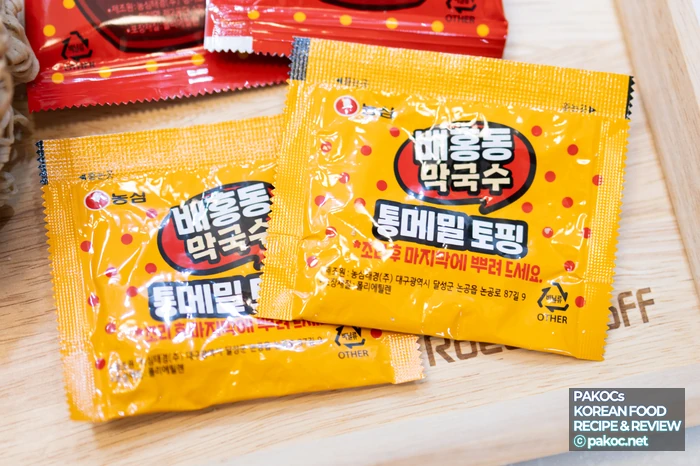
ⓒ
Copyright PAKOC https://pakoc.netCooking Baehongdong Makguksu

Let’s start cooking right away. First, prepare boiling water. I added two noodle portions and boiled them immediately. After about 4 minutes 30 seconds, I rinsed them vigorously in cold water and squeezed out the water well. Then I plated the noodles and sprinkled the topping on top. Either way, you mix it in the end, so it likely does not make a big difference.
ⓒ
Copyright PAKOC https://pakoc.net
ⓒ
Copyright PAKOC https://pakoc.netCooking Tips and the Finished Look

Honestly, compared to mixing twice, adding it first and mixing like this is pretty convenient. Then I added the bibim sauce and mixed it all together. The topping seems to be seaweed, buckwheat, and toasted sesame. Many bibim-style instant noodles have almost no toppings, so this feels like a nice bonus.
The sauce itself is slightly thin. As expected, it also has perilla oil mixed in, so it was very easy to coat the noodles. However, if you tear the sauce packet by hand and use too much force, oil can squirt out. So, I recommend cutting it with scissors.
ⓒ
Copyright PAKOC https://pakoc.net
ⓒ
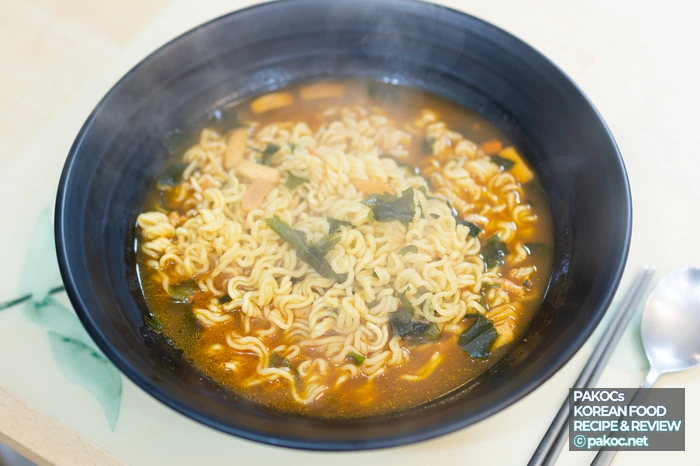
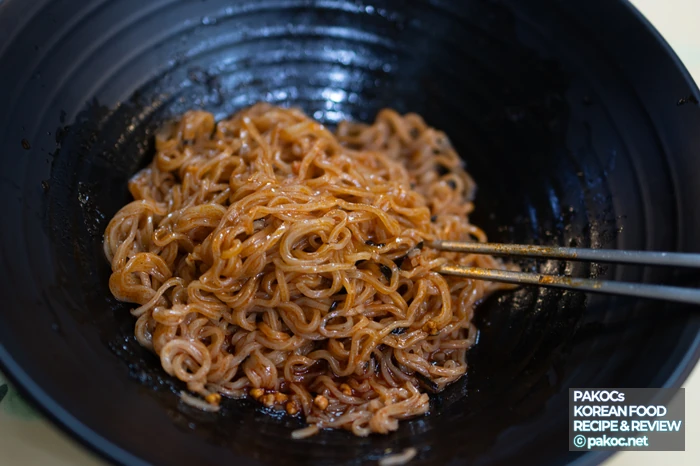
Copyright PAKOC https://pakoc.netThe finished look is roughly like this. Since it is a bibim noodle with “makguksu” in the name, it does look closer to bibim noodles than actual makguksu. If the sauce is not completely new and is based on the original Baehongdong, it will likely feel a bit different from the bibim noodles you might be expecting.
Baehongdong Makguksu Taste Test

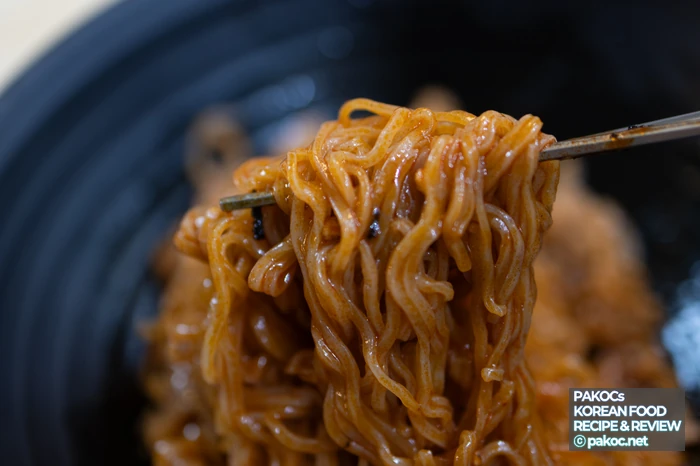
Now, let’s taste it. I took a big bite right away. Compared to the original Baehongdong, it did a good job capturing a makguksu-like vibe. Also, maybe because it is air-dried noodles, the texture was quite chewy.
ⓒ
Copyright PAKOC https://pakoc.net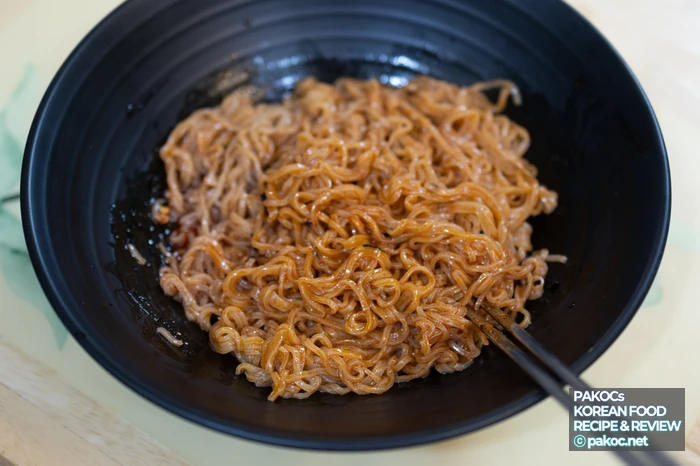
ⓒ
Copyright PAKOC https://pakoc.netIf you like the original Baehongdong, you probably know what I mean. This is not a 100% pure makguksu experience. Instead, it feels like a Baehongdong-style twist on makguksu. It has a lightly sweet note, and rather than a straight spicy kick like makguksu, it leans more toward spicy-sweet. It also pairs nicely with vegetables. So, if you are watching your blood sugar, mixing in something like a salad could work well.
ⓒ
Copyright PAKOC https://pakoc.netSpice Level and the Baehongdong Style
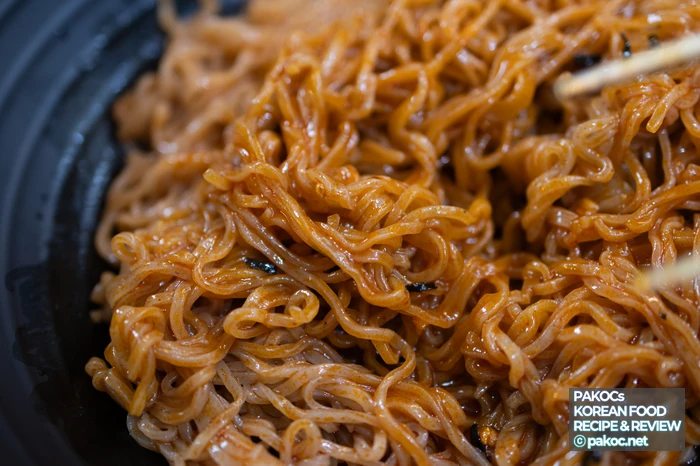
The heat is not as strong as you might think. The Baehongdong Jjoljjolmyeon that came out before felt fine at first, but it gradually got sneakily spicy as you ate. This makguksu version had less of that “it’s getting hotter” feeling. Still, since it is a bibim-style noodle, it is about as spicy as the original Baehongdong. Keep that in mind.
ⓒ
Copyright PAKOC https://pakoc.net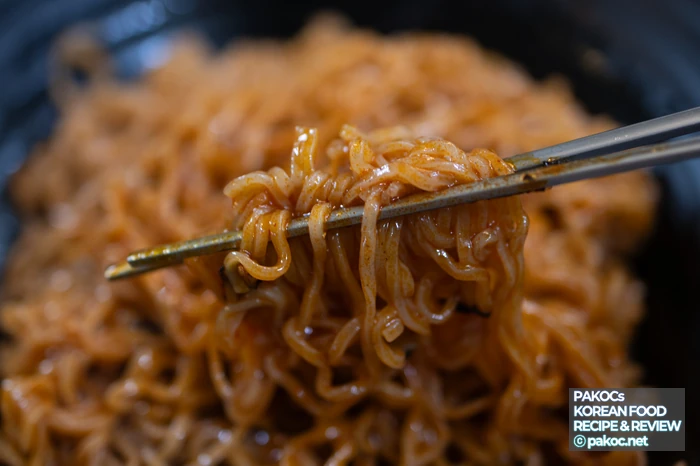
ⓒ
Copyright PAKOC https://pakoc.netThe weather is still chilly, with lows hovering below freezing. Even so, news about bibim noodle releases is already popping up everywhere. Starting with this first review of Baehongdong Makguksu, it feels like a pretty smooth start. Meanwhile, I am also quietly excited for what competitors will bring out. With spicy-sweet sauce, chewy buckwheat-style noodles, and nutty perilla oil, the flavor felt well balanced overall.
ⓒ
Copyright PAKOC https://pakoc.net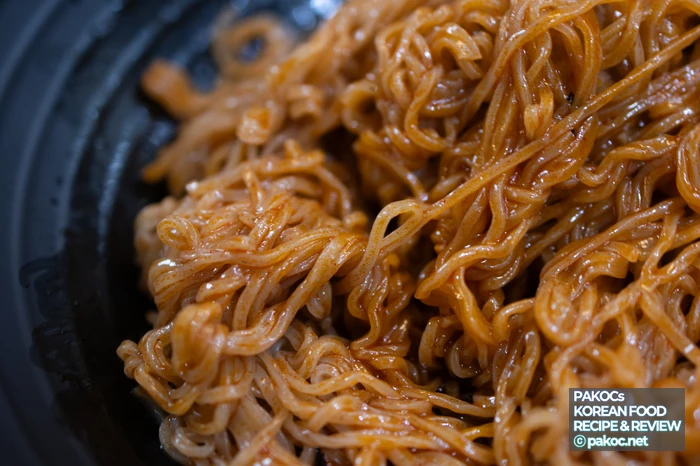
ⓒ
Copyright PAKOC https://pakoc.netFinal Verdict
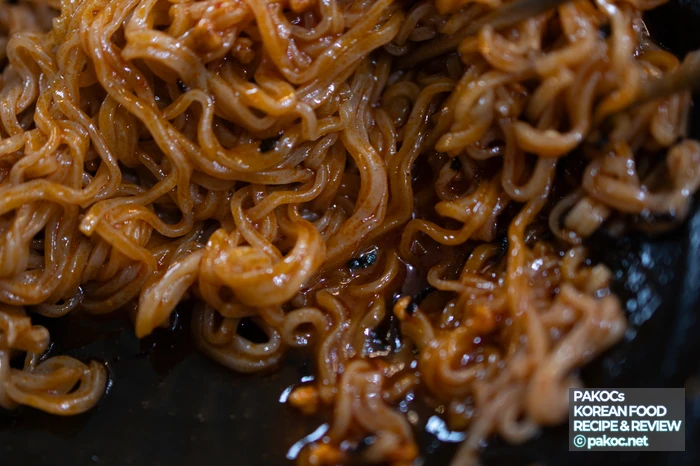
Personally, this menu did a great job keeping Baehongdong’s signature character while also bringing out a real makguksu vibe. At KRW 4,500 for a multipack, the value is solid too. The distinct aroma of makguksu and the chewy air-dried noodles are reworked into Baehongdong’s spicy-sweet style, making it easy to enjoy. I recommend it if you like Baehongdong or want a light bibim noodle option.
ⓒ
Copyright PAKOC https://pakoc.netFrequently Asked Questions
Q. How much does Baehongdong Makguksu cost?
At the Nongshim official store, the 4-pack multipack costs about KRW 4,500. That comes out to about KRW 1,125 per pack, so the value is quite good.
Q. What does Baehongdong Makguksu taste like?
It is a bibim noodle that builds on the original Baehongdong’s spicy-sweet flavor and adds a makguksu-like aroma. The nutty richness of perilla oil pairs well with the chewy, buckwheat-style air-dried noodles. Also, the heat is milder than Jjoljjolmyeon.
Q. What are the calories and net weight of Baehongdong Makguksu?
Per pack, the net weight is 114g and it contains 435kcal. Since it uses air-dried noodles, it is lower in calories than typical instant noodles. Sodium is also relatively manageable at 56% of the daily recommended intake.
image sources
- 건강한 비빔면 특징 이미지: Copyright PAKOC https://pakoc.net