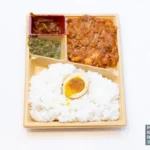
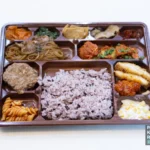
Korean convenience store lunch boxes have been playing it safe for years — think fried eggs, sausages, and kimchi. But CU’s Pbick The Kitchen line is shaking things up with increasingly bold combinations. Today’s entry is the “Bap-doduk” (meaning “rice thief” — a Korean expression for side dishes so flavorful they make you devour rice) Nakji-jeot Pork Jjageuli. Jjageuli is a Korean home-style braised pork dish, and nakji-jeot is fermented salted octopus — a deeply savory condiment. This combination felt unfamiliar even by Korean standards, so I was genuinely curious. Let’s dive in.
📋 At a Glance
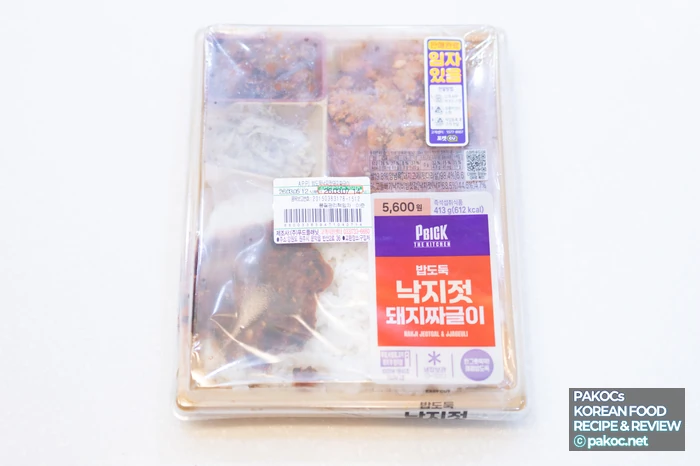
- Product: Bap-doduk Nakji-jeot Pork Jjageuli
- Brand: CU (Pbick The Kitchen series)
- Price: 5,600 won (approx. $4.20 USD; app pre-order discounts available)
- Weight: 413g
- Calories: 612kcal
- Contents: Pork jjageuli (Korean pork leg), fermented salted octopus with godulbaegi greens, seasoned ark shell, stir-fried perilla leaf cabbage, rice
- Verdict: ★3.5 — A daring combination for a convenience store box. The jjageuli nails the authentic saucy texture, and the salted octopus is an intense umami bomb. On the salty side overall.
Price and Key Features
CU’s Pbick lineup has been releasing new items at a relentless pace — I’m practically eating a new one every day at this point. Pbick is CU’s private brand, and the fresh food segment (lunch boxes, gimbap, burgers) falls under Pbick The Kitchen.
The Pbick Philosophy and Pricing
The overarching concept is “a proper meal with at least one standout side dish per box.” This particular item centers on pork jjageuli and salted octopus as the star attractions. Priced at 5,600 won, it’s eligible for stacked discounts through app pre-orders — new item discounts, card promotions, and event deals can all apply.
ⓒ
Copyright PAKOC https://pakoc.net | All Rights Reserved Pakoc(http://Pakoc.net)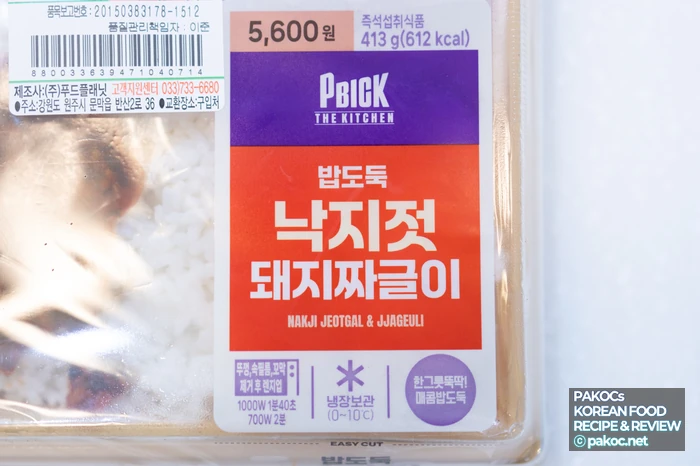
ⓒ
Copyright PAKOC https://pakoc.net | All Rights Reserved Pakoc(http://Pakoc.net)Nutrition and Ingredients
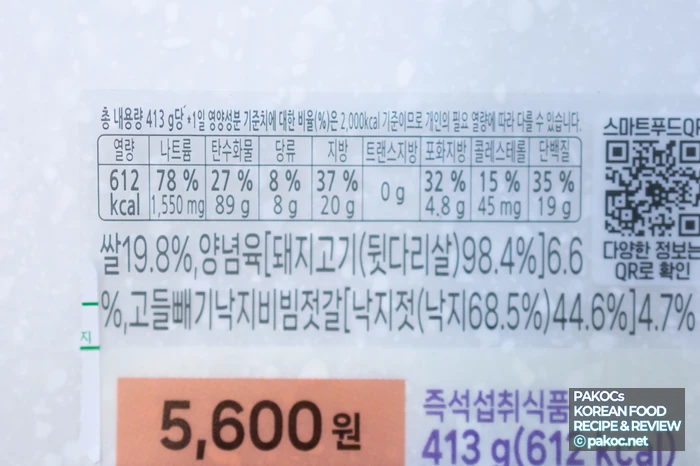
Total weight is 413g with 612kcal and sodium at 78% of daily intake. For a box that looks simple, the weight and calories are higher than expected. As a standalone meal, it should be more than enough. The pork jjageuli uses Korean pork leg, while the salted octopus appears to be sourced from China.
ⓒ
Copyright PAKOC https://pakoc.net | All Rights Reserved Pakoc(http://Pakoc.net)What’s Inside the Box
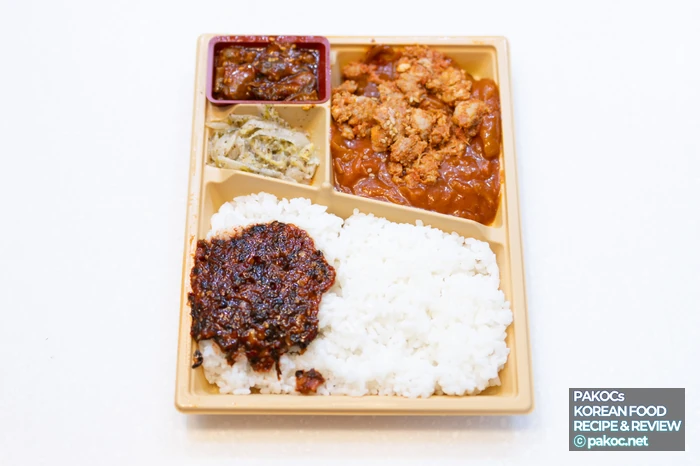
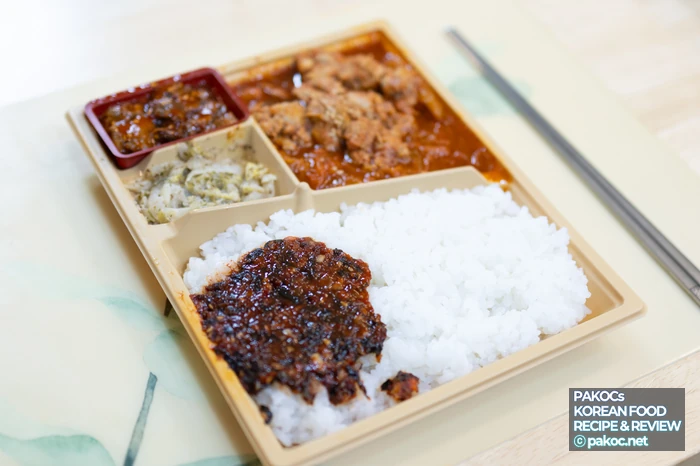
The layout follows the typical Pbick format — clean and straightforward. The main pork jjageuli sits in one compartment, while the fermented salted octopus is placed directly on top of the rice.
ⓒ
Copyright PAKOC https://pakoc.net | All Rights Reserved Pakoc(http://Pakoc.net)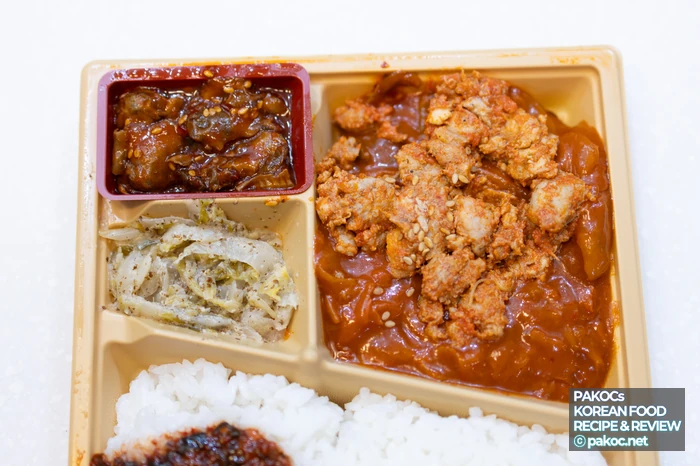
ⓒ
Copyright PAKOC https://pakoc.net | All Rights Reserved Pakoc(http://Pakoc.net)Supporting Sides: Ark Shell and Perilla Greens
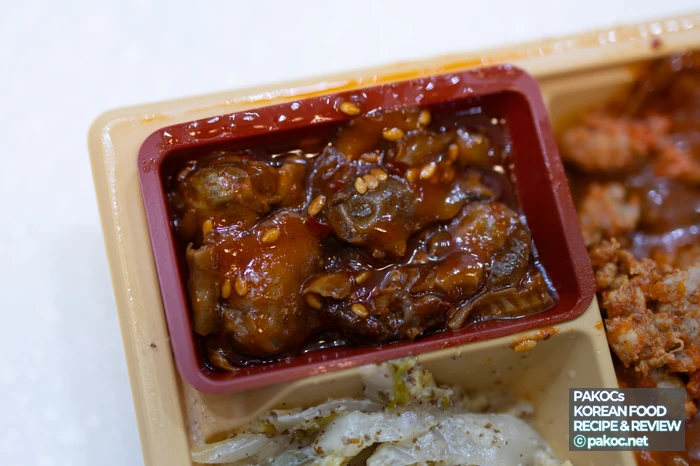
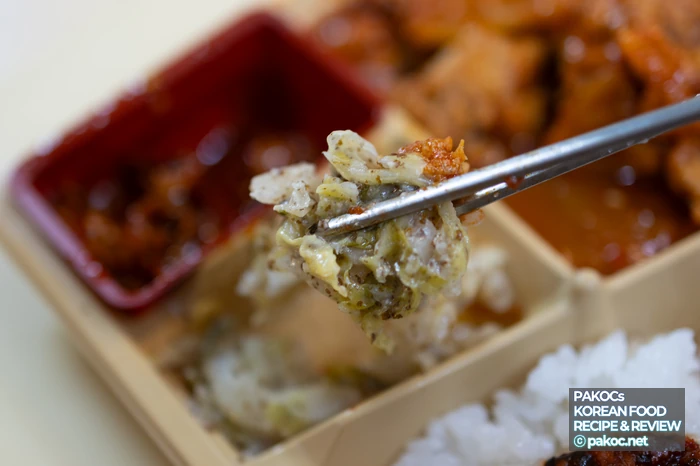
The supporting sides include seasoned ark shell (a type of small clam). Another side was hard to identify from the ingredient list, but tasting revealed it to be stir-fried baby cabbage with perilla seed powder. The seasoning is mild and not overpowering — it works best as a palate cleanser between bites of the stronger dishes.
ⓒ
Copyright PAKOC https://pakoc.net | All Rights Reserved Pakoc(http://Pakoc.net)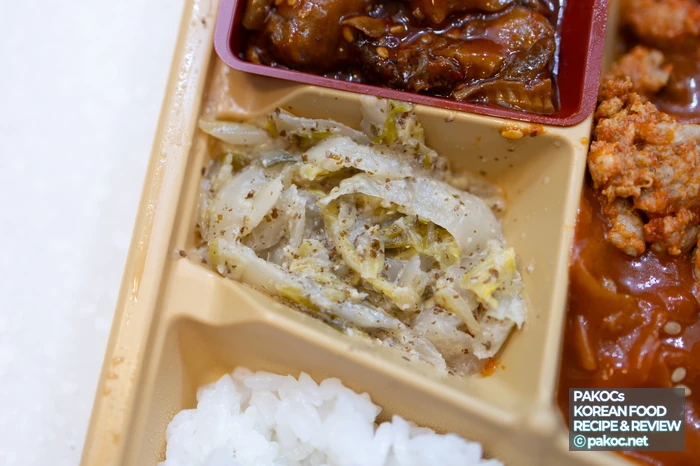
ⓒ
Copyright PAKOC https://pakoc.net | All Rights Reserved Pakoc(http://Pakoc.net)The Stars: Pork Jjageuli and Salted Octopus
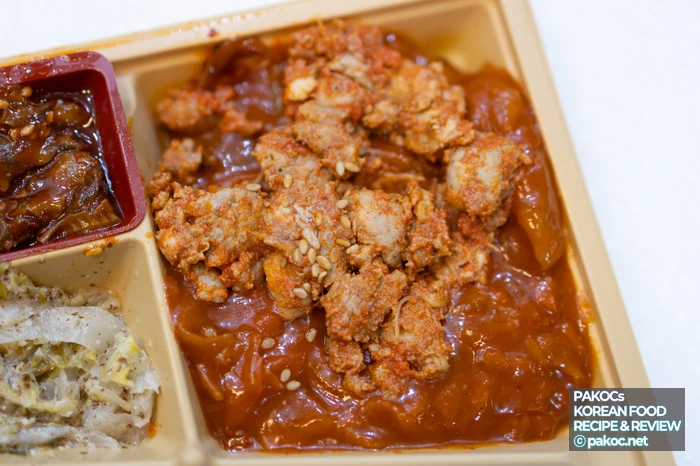
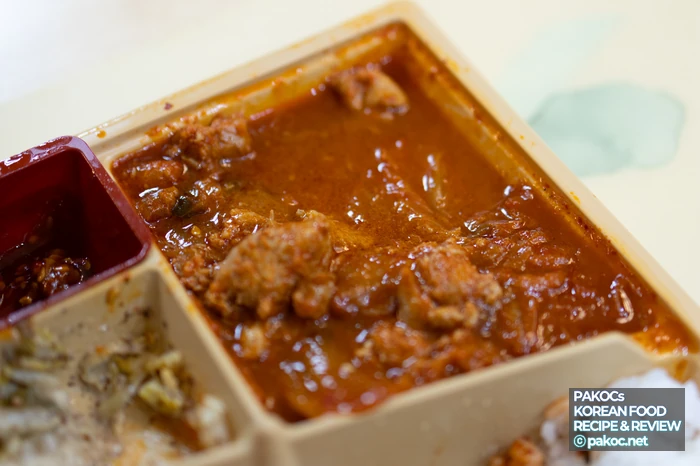
The pork jjageuli uses thick-cut leg meat with a generous coating of sauce — perfect for spooning over rice. Visually, it’s straightforward but promising. The salted octopus (technically godulbaegi-nakji-bibim-jeotgal — a fermented mix of finely ground octopus and bitter greens) looks small in portion, but opening the lid releases a powerful fermented aroma. The flavor is intensely salty and umami-rich, so it punches well above its apparent size.
ⓒ
Copyright PAKOC https://pakoc.net | All Rights Reserved Pakoc(http://Pakoc.net)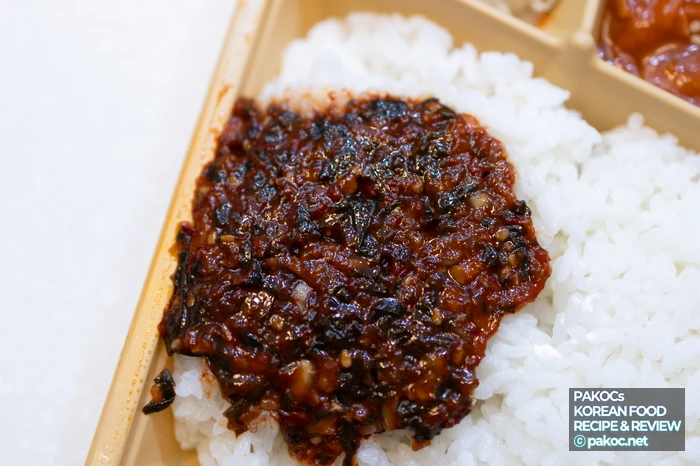
ⓒ
Copyright PAKOC https://pakoc.net | All Rights Reserved Pakoc(http://Pakoc.net)Stepping back, this is an unusually adventurous combination for a convenience store box. Braised pork, fermented octopus, seasoned clams, and perilla greens — most dosirak would just go with kimchi, a sausage, and a fried egg on top. The fact that CU attempted this composition feels like a statement in itself.
ⓒ
Copyright PAKOC https://pakoc.net | All Rights Reserved Pakoc(http://Pakoc.net)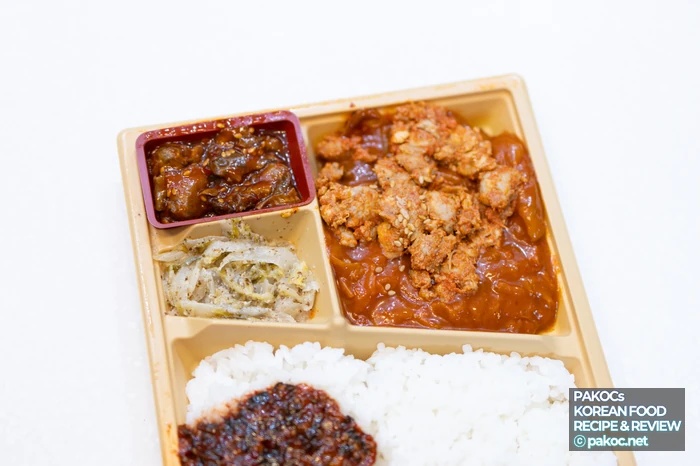
ⓒ
Copyright PAKOC https://pakoc.net | All Rights Reserved Pakoc(http://Pakoc.net)Taste Test: Bold Flavors, Big Opinions
Flavor is what matters most, so let’s get into it. Starting with the ark shell, the fishiness was milder than expected — comparable to what you’d get at a school cafeteria or casual Korean restaurant. Seeing seasoned ark shell in a convenience store dosirak was a first for me, though.
ⓒ
Copyright PAKOC https://pakoc.net | All Rights Reserved Pakoc(http://Pakoc.net)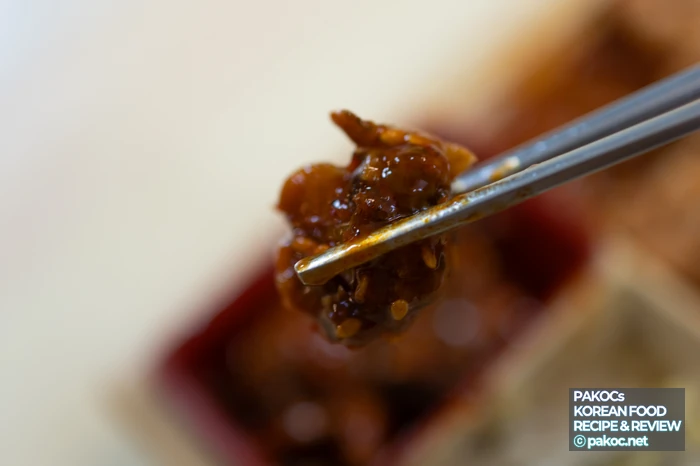
ⓒ
Copyright PAKOC https://pakoc.net | All Rights Reserved Pakoc(http://Pakoc.net)The Salted Octopus: Umami Bomb with a Catch
If I had to name the real star here, it’s honestly the fermented octopus rather than the pork. It’s salty with a slight fishiness, but the umami intensity is remarkable — genuinely good as a rice topping. The fishiness did get amplified when microwaved together with the rest of the box. Ideally, it should be packaged separately to avoid this.

ⓒ
Copyright PAKOC https://pakoc.net | All Rights Reserved Pakoc(http://Pakoc.net)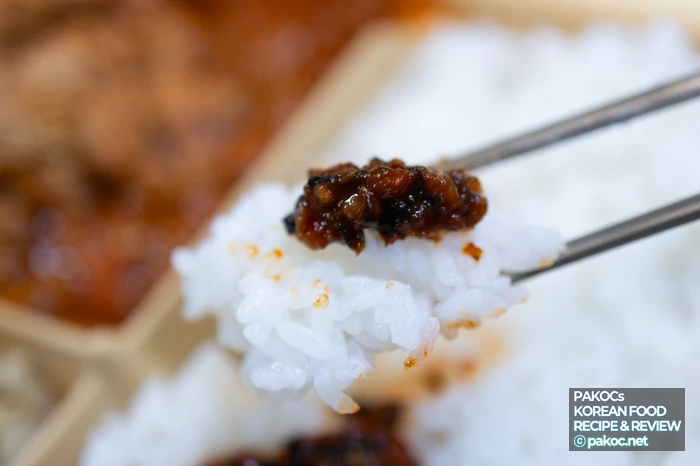
ⓒ
Copyright PAKOC https://pakoc.net | All Rights Reserved Pakoc(http://Pakoc.net)The Jjageuli: Authentic Texture, Balanced Sauce
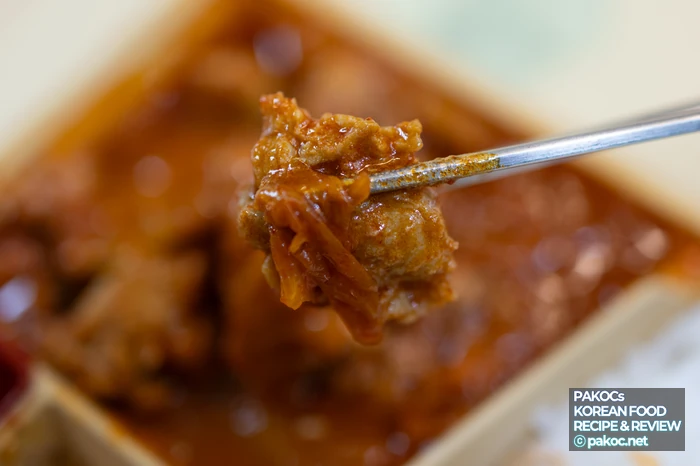
Unlike other dosirak that label things “jjageuli” but taste indistinguishable from standard stir-fried pork (jeyuk-bokkeum), this one actually captures the dish’s signature character. The sauce is slightly soupy rather than thick, and the flavor stays restrained enough to feel authentic. Even without the salted octopus, the braised pork stands on its own.
ⓒ
Copyright PAKOC https://pakoc.net | All Rights Reserved Pakoc(http://Pakoc.net)Each side dish tastes fine individually. However, the overall saltiness level is high — most components lean heavily on salt and fermentation. Whether that’s a feature or a bug depends on your palate. The rice does disappear fast, though.

ⓒ
Copyright PAKOC https://pakoc.net | All Rights Reserved Pakoc(http://Pakoc.net)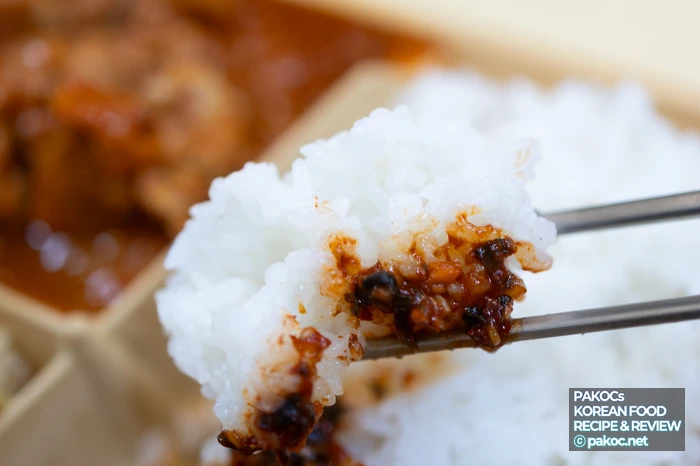
ⓒ
Copyright PAKOC https://pakoc.net | All Rights Reserved Pakoc(http://Pakoc.net)Between the perilla greens and the kimchi mixed into the jjageuli, there’s a decent amount of vegetable fiber in this box. As a filling lunch when you’re hungry, it does the job well.
ⓒ
Copyright PAKOC https://pakoc.net | All Rights Reserved Pakoc(http://Pakoc.net)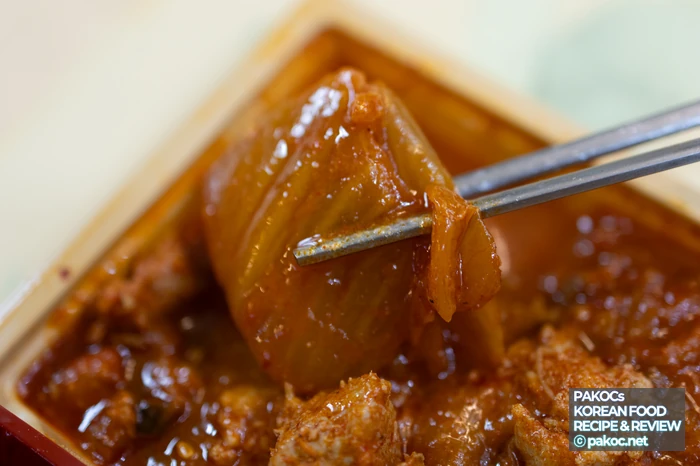
ⓒ
Copyright PAKOC https://pakoc.net | All Rights Reserved Pakoc(http://Pakoc.net)Final Verdict
An unfamiliar but genuinely adventurous lunch box. The pork jjageuli delivers with its signature saucy, slightly soupy texture, and the fermented salted octopus is an absolute rice thief despite its small portion. Recommended for anyone who enjoys bold, fermentation-forward Korean side dishes.
For international visitors in Korea, this dosirak is a fascinating window into traditional Korean home cooking — the kind of flavors you’d typically only encounter at a Korean grandmother’s table or a neighborhood banchan shop, not a convenience store. If you’re comfortable with fermented flavors, it’s well worth the adventure.
ⓒ
Copyright PAKOC https://pakoc.net | All Rights Reserved Pakoc(http://Pakoc.net)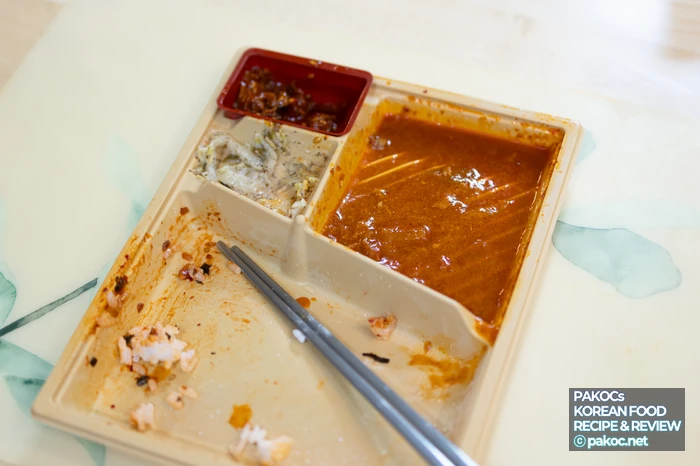
ⓒ
Copyright PAKOC https://pakoc.net | All Rights Reserved Pakoc(http://Pakoc.net)FAQ
Q. What exactly is jjageuli?
Jjageuli is a Korean home-style dish where pork is braised in gochujang (red pepper paste) sauce until slightly soupy. It’s similar to jeyuk-bokkeum (stir-fried spicy pork) but with more liquid and a lighter sauce. It’s meant to be spooned over rice and mixed in.
Q. Is this too salty for someone not used to Korean fermented foods?
It leans quite salty, especially the fermented octopus and ark shell sides. Sodium sits at 78% of the daily recommended intake. If you’re sensitive to salt or unfamiliar with jeotgal (Korean fermented seafood), this box might feel intense. Eating it with plenty of rice helps balance the flavors.
Q. Should the fermented octopus be microwaved with the rest?
Ideally, no. Microwaving amplifies the fishiness of the nakji-jeot. If possible, scoop it out before heating and add it back on top of the rice afterward. Unfortunately, since it comes placed directly on the rice, this requires a bit of extra effort.
image sources
- 짭조름한 낙지젓 감칠맛 체험: Copyright PAKOC https://pakoc.net | All Rights Reserved Pakoc(http://Pakoc.net)