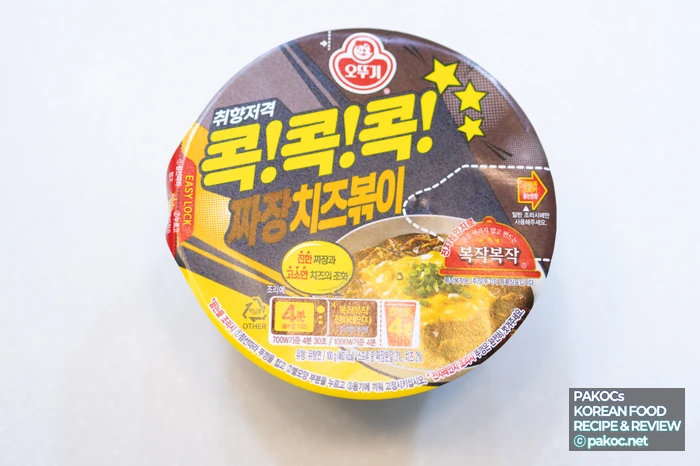
Hello! The new Ottogi cup noodle I want to introduce today is a new member of the Kok-kok-kok stir-fried noodle lineup, the Ottogi Kok-kok-kok Jjajang Cheese Noodles. It looks like a menu launched by cleverly combining the existing Kok-kok-kok series noodles, jjajang-bokki and cheese-bokki! Some people may find the jjajang-cheese cup noodle combo a bit odd, but it also seems like a new product mindful of “jjagyechi” (jjajang ramyeon + egg + cheese), which was a hot topic on SNS last year. With value at 2,000 won at convenience stores and a jjagyechi-ramyeon feel that only lacks the egg, it’s easy to enjoy conveniently, so I bought it right away! So shall we take a look at what it’s all about?
📋 At a Glance
- Product: Ottogi Kok-kok-kok Jjajang Cheese Noodles (cup bokki)
- Brand/Store: Ottogi
- Price: 2,000 won at convenience stores (about 1,900 won at marts/retail)
- Weight/Calories: 100g · 460kcal (48% of the daily sodium allowance)
- Main components: Stir-fried noodles, jjajang powder soup, cheese powder soup, dried bits (a little dried veg and meat)
- Cooking: Bokjak-bokjak microwave type — pour in hot water, microwave 4 min, then add the powder soups and toss
- Notes: A jjajang-bokki + cheese-bokki combo reflecting last year’s SNS “jjagyechi” (jjajang + egg + cheese) trend; sodium is on the low side
- Verdict: ★4.0 — A value cup bokki where jjajang and cheese blend without clashing; perfect as a refresh when you’re tired of spicy ramyeon!
Ottogi Jjajang Cheese Noodles Price? 2,000 Won
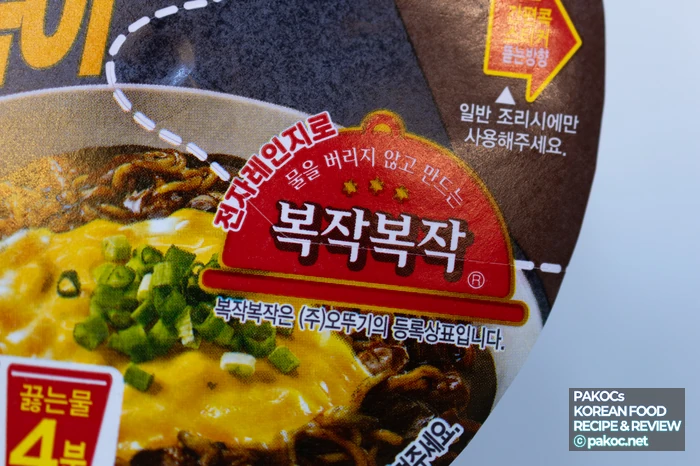
This menu is a new item launched in late April 2026, and you can buy it right away at various places — convenience stores, of course, plus marts and online. Its concept is “the harmony of rich jjajang and savory cheese”! It’s a noodle where you mix cheese sauce into a jjajang sauce base, and being adjustable to taste is said to be a feature too. The price is 2,000 won at convenience store prices / around 1,900 won at general retailers and marts.
ⓒ
Copyright PAKOC https://pakoc.net | All Rights Reserved Pakoc(http://Pakoc.net)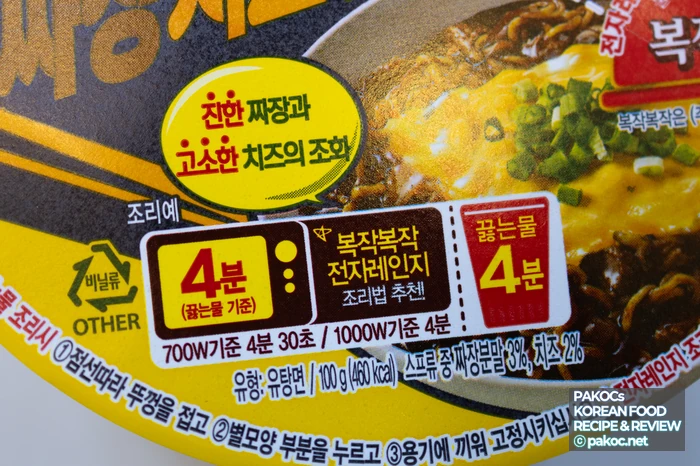
ⓒ
Copyright PAKOC https://pakoc.net | All Rights Reserved Pakoc(http://Pakoc.net)Since this menu is a microwave stir-fried noodle type (Ottogi Bokjak-bokjak), microwave cooking is recommended as the default! The cooking time is 4 minutes by default! However, it’s not a method where you add all the sauce and cook — you cook the noodles first, then add the sauce at the end and toss.
ⓒ
Copyright PAKOC https://pakoc.net | All Rights Reserved Pakoc(http://Pakoc.net)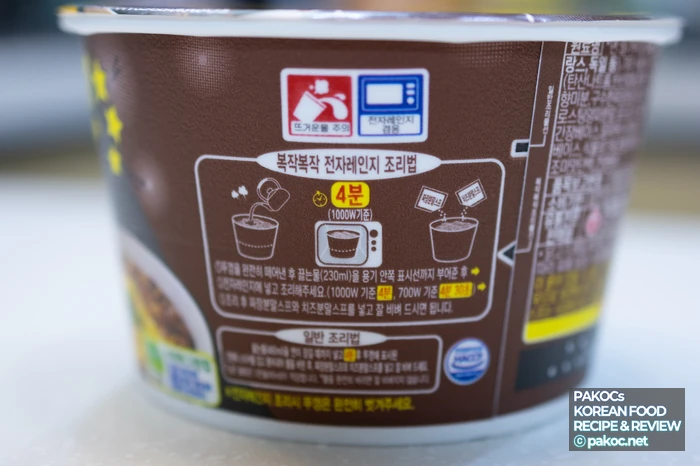
ⓒ
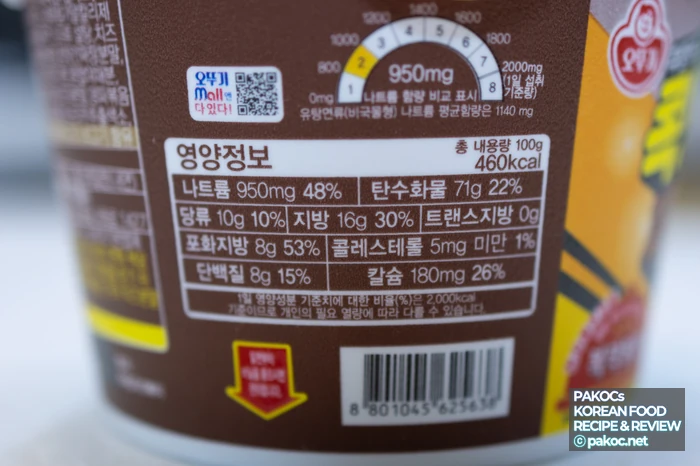
Copyright PAKOC https://pakoc.net | All Rights Reserved Pakoc(http://Pakoc.net)The total contents come to 100g with 460kcal, and the sodium is about 48% of the daily recommended amount. The volume and calories don’t seem much different from ordinary ramyeon! I thought the sodium would be quite high with cheese added to the jjajang sauce, but it’s not as salty as you’d think.
ⓒ
Copyright PAKOC https://pakoc.net | All Rights Reserved Pakoc(http://Pakoc.net)Ottogi Kok-kok-kok Jjajang Cheese Noodles: Components?
So shall we take a quick look at the composition too? Since this menu’s name is jjajang cheese bokki, the soups consist of two: a jjajang powder soup and a cheese powder soup. They said you mix cheese powder into the jjajang base powder, but the cheese powder somehow feels like there’s more of it!
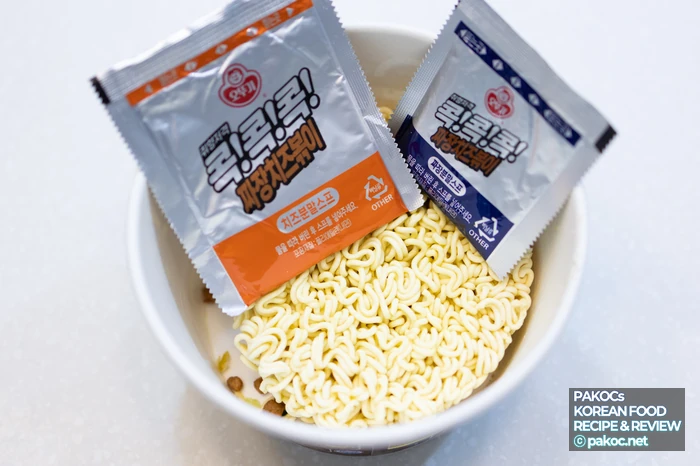
ⓒ
Copyright PAKOC https://pakoc.net | All Rights Reserved Pakoc(http://Pakoc.net)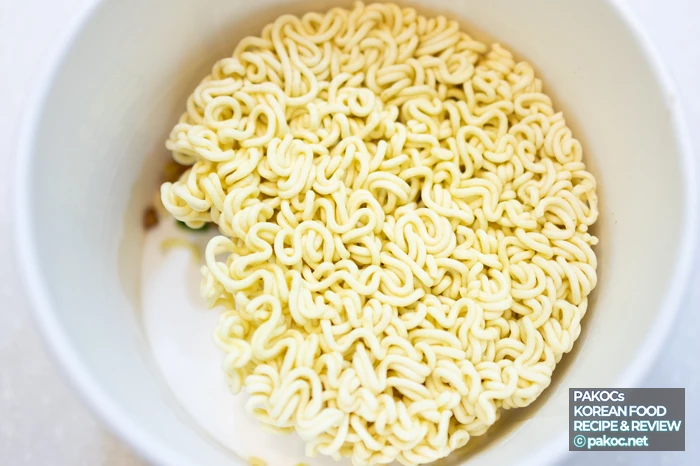
ⓒ
Copyright PAKOC https://pakoc.net | All Rights Reserved Pakoc(http://Pakoc.net)The dried bits are under the noodles, with just a tiny bit of dried vegetables and a tiny bit of dried meat. It’s not like they added them for any big reason — more of a “well, at least we put some dried bits in” kind of symbolism, something like that? Haha. For now, since the powder has to go in last when cooking, I set it aside separately.
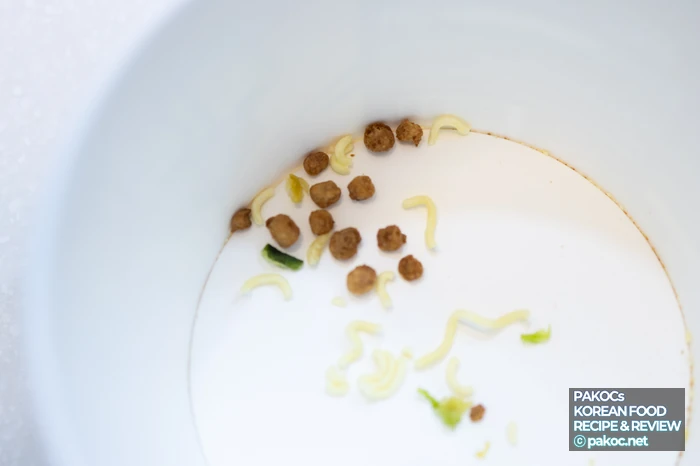
ⓒ
Copyright PAKOC https://pakoc.net | All Rights Reserved Pakoc(http://Pakoc.net)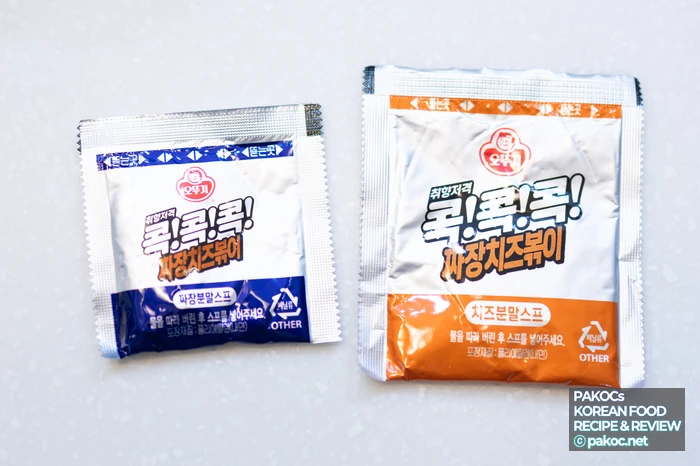
ⓒ
Copyright PAKOC https://pakoc.net | All Rights Reserved Pakoc(http://Pakoc.net)Jjajang Cheese Noodles: Microwave Cooking Method

The cooking method is quite simple! First, I poured hot water over the noodles and then cooked it in the microwave for 4 minutes right away. Without draining the water separately, in this state I poured in the jjajang powder soup and cheese powder soup right away! The cheese powder soup is definitely the larger amount.
ⓒ
Copyright PAKOC https://pakoc.net | All Rights Reserved Pakoc(http://Pakoc.net)
ⓒ

Copyright PAKOC https://pakoc.net | All Rights Reserved Pakoc(http://Pakoc.net)For tossing, I matched it to the remaining water and tossed hard. At first you might worry a bit, thinking there’s a little too much water! But if you just get the water right and cook it reasonably well depending on your microwave’s power, the noodles and soup soak up the water as you toss, so there’s no big problem. It also tosses well! Oh — you must not cook it together with other food when cooking!
ⓒ
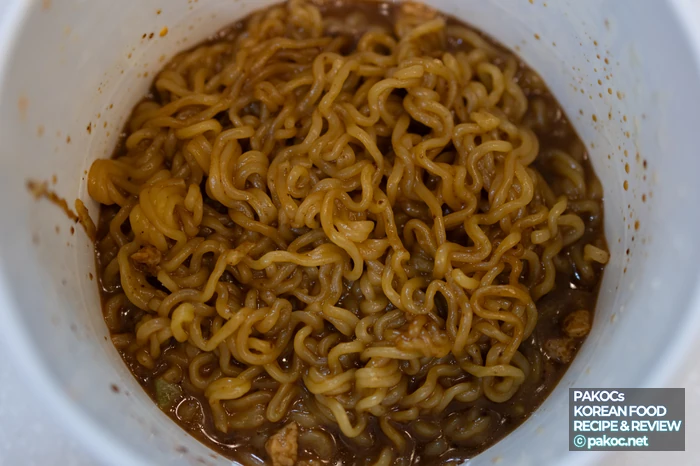
Copyright PAKOC https://pakoc.net | All Rights Reserved Pakoc(http://Pakoc.net)Here’s what it looks like once cooking is all done. Actually, even though cheese powder went in, it’s not real cheese, so visually there’s no big difference beyond the color being slightly different from ordinary jjajang ramyeon! The cheese aroma comes up quite a bit.
ⓒ
Copyright PAKOC https://pakoc.net | All Rights Reserved Pakoc(http://Pakoc.net)A Firsthand Jjajang Cheese Noodles Taste Review

So let me taste a chopstickful right away. Every time I swirl the warm cup noodles with chopsticks, a salty jjajang aroma and a savory cheese aroma rise up mixed together! My mouth is already watering.
ⓒ
Copyright PAKOC https://pakoc.net | All Rights Reserved Pakoc(http://Pakoc.net)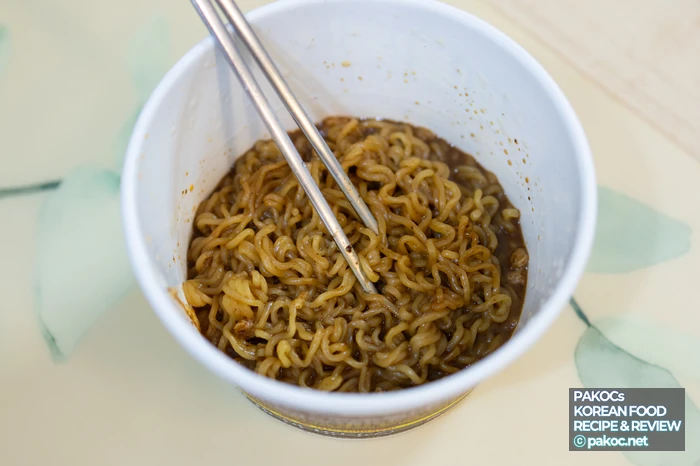
ⓒ
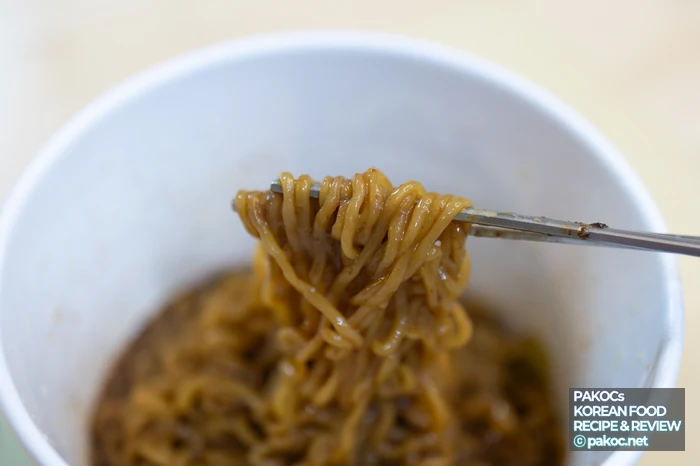
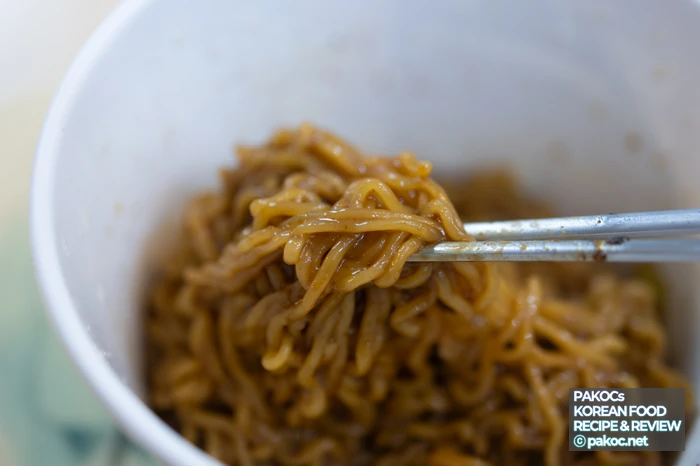
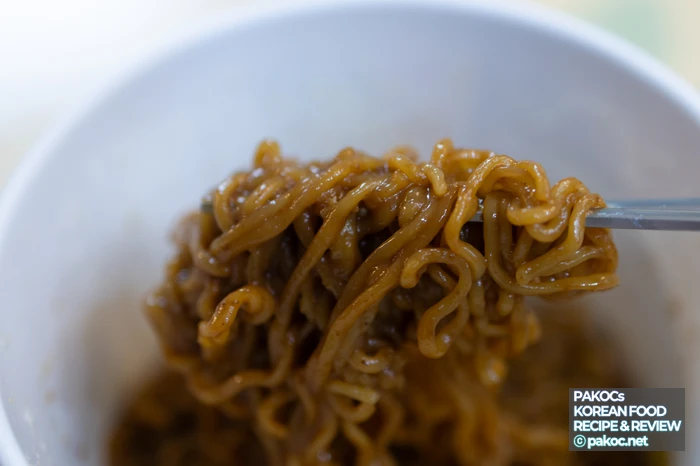
Copyright PAKOC https://pakoc.net | All Rights Reserved Pakoc(http://Pakoc.net)Take a chopstickful and eat it, and it feels like jjajang-bokki and cheese-bokki oddly mixed together. Of course, they basically blend quite well, so the funky cheese aroma and the jjajang’s distinctive savory, slightly bitter and sweet taste each play their own role without harming each other!
ⓒ
Copyright PAKOC https://pakoc.net | All Rights Reserved Pakoc(http://Pakoc.net)The Harmony of Jjajang and Cheese

Usually a menu like this is fine if you mix it well, but if you don’t mix it properly the balance of flavor often collapses — and this menu seems to have found the point right in between. That’s how decent the taste was, too! Personally, I thought it would be good to fry an egg and add it here! It’s a cup noodle, and if you’re eating at a convenience store it’d probably be hard to cook that far! Who knows — if this gets a decent response, something like a cheese-flavored Jjashullaeng (Ottogi jjajang ramyeon) might come out, haha!
ⓒ
Copyright PAKOC https://pakoc.net | All Rights Reserved Pakoc(http://Pakoc.net)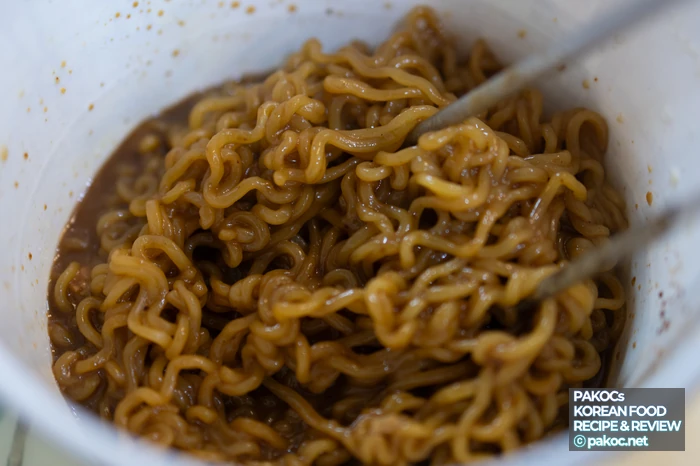
ⓒ
Copyright PAKOC https://pakoc.net | All Rights Reserved Pakoc(http://Pakoc.net)Verdict — A Value Cup Bokki with a Jjajang-Cheese Combo
For those who liked both the existing Ottogi jjajang-bokki and cheese-bokki, it was a menu worth recommending well enough. The taste isn’t too much, yet it quietly keeps going down! For those who’ve only eaten intense, spicy ramyeon, I think it might be a surprisingly nice refresh, haha!
ⓒ
Copyright PAKOC https://pakoc.net | All Rights Reserved Pakoc(http://Pakoc.net)Compared with premium ramyeon, the value is quietly decent and the taste is good, so it was a menu anyone could enjoy, even if you’re not necessarily a fan of this kind of menu. As long as you don’t tire of cheese easily or have a slightly older palate, I think you can enjoy it deliciously. What do you think? For those who are curious, it was a menu you’d surely like if you give it a try.
ⓒ
Copyright PAKOC https://pakoc.net | All Rights Reserved Pakoc(http://Pakoc.net)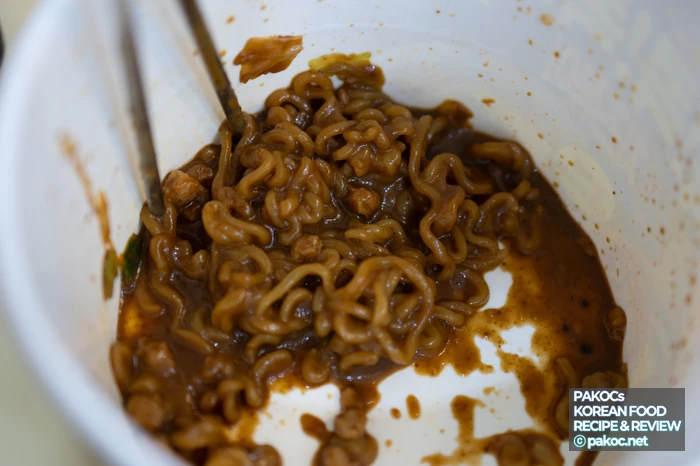
ⓒ
Copyright PAKOC https://pakoc.net | All Rights Reserved Pakoc(http://Pakoc.net)You can learn about the origins and background of jjajang (jjajangmyeon), the base of this menu, in the Jajangmyeon article on Wikipedia.
Frequently Asked Questions
Q. How much does the Ottogi Jjajang Cheese Noodles cost?
It’s 2,000 won at convenience store prices, and you can buy it for around 1,900 won at general retailers or marts. With 100g of total contents, 460kcal, and sodium at about 48% of the daily recommended amount, it’s good value for a cup bokki and on the low side for sodium.
Q. How do you cook the Jjajang Cheese Noodles?
It’s an Ottogi Bokjak-bokjak microwave stir-fried noodle type, so pour hot water over the noodles, microwave for 4 minutes, and then — without draining — add the jjajang and cheese powder soups and toss. The powder must go in last after cooking, and you must not cook it together with other food.
Q. How do the Jjajang Cheese Noodles taste? Do jjajang and cheese go well together?
The jjajang’s savory sweetness and the cheese’s rich, funky aroma blend well without harming each other. As long as you toss it well, the balance is just right, and since the taste isn’t overpowering, it quietly keeps going down. If you’re tired of intense, spicy ramyeon, it’s a good refresh, and adding an egg to taste makes it nice to enjoy with a jjagyechi feel.
image sources
- 컵볶음면 소스 구성 리뷰: Copyright PAKOC https://pakoc.net | All Rights Reserved Pakoc(http://Pakoc.net)
- 편의점 신상품 컵볶음면: Copyright PAKOC https://pakoc.net | All Rights Reserved Pakoc(http://Pakoc.net)