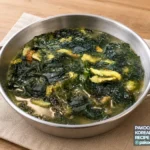
CU convenience store has turned a viral Korean social media food hack into a ready-to-heat product: the Buldak Cheese Seaweed Pasta. The original trend was buldak (Korean fire chicken sauce) combined with miyeok (seaweed/wakame) in a broth-style noodle, and this adapts that concept as a pasta with cheese. Heat level is more approachable than standard buldak products, and the seaweed-buldak pairing works better than you’d expect. As someone who doesn’t handle spicy food well, the broth-style element here was actually appealing enough to buy on the spot. Here’s the breakdown.
📋 At a Glance
- Product: Buldak Cheese Seaweed Pasta
- Brand: CU
- Price: approx. 5,500 won
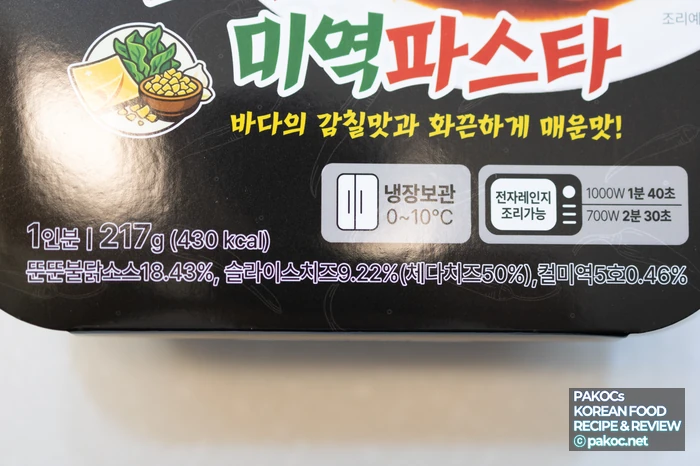
- Weight / Calories: 217 g / 430 kcal
- Sodium: 66% of daily recommended intake
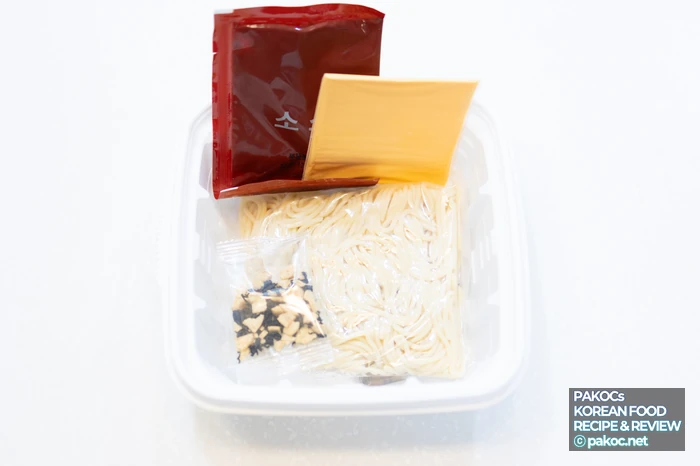
- Contents: pre-cooked pasta noodles + buldak sauce pouch + cheddar slice + sesame oil pouch + dried seaweed and garlic flakes
- Notes: CU-exclusive ready-to-heat product (refrigerated, microwave only). Based on the viral SNS buldak-seaweed broth noodle recipe. Broth-leaning rather than dry mixed style.
- Verdict: ★3.5 — Milder buldak heat with seaweed umami balance. Cheese melting and water level are the keys to getting it right.
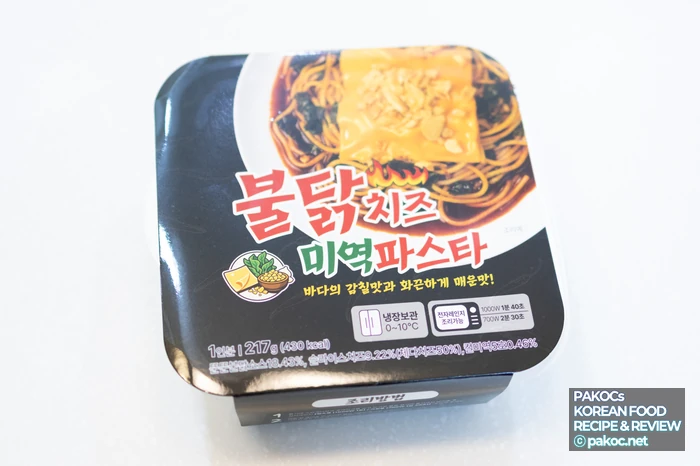
Buldak Cheese Seaweed Pasta: Price and Features
Since March 2026, the buldak + cheese + seaweed combination has inspired products across multiple Korean convenience store chains. This CU version is a refrigerated ready-to-heat item sold exclusively at CU stores. Price: approximately 5,500 won — slightly high for a convenience store single item, given that a typical dosirak (boxed meal) runs in the same range.
ⓒ
Copyright PAKOC https://pakoc.net | All Rights Reserved Pakoc(http://Pakoc.net)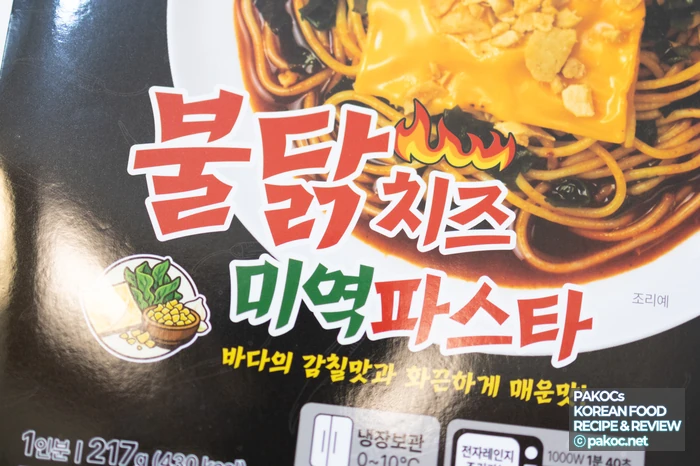
ⓒ
Copyright PAKOC https://pakoc.net | All Rights Reserved Pakoc(http://Pakoc.net)The concept: “umami from the sea, fiercely spicy heat!” Refrigeration required; microwave only for cooking. The buldak and cheese combination makes intuitive sense — but seaweed with pasta is an unusual pairing, and its origins in a viral DIY recipe make the mashup feel less random once you know the backstory.
ⓒ
Copyright PAKOC https://pakoc.net | All Rights Reserved Pakoc(http://Pakoc.net)Nutritional Info and Cooking Method
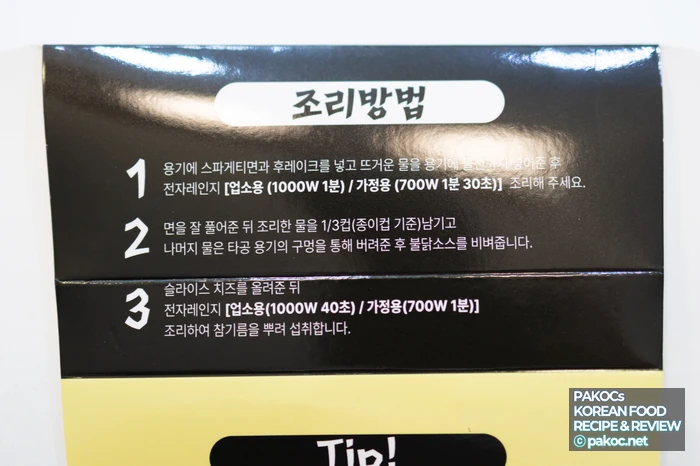
Cooking is microwave-only. Sequence: toss noodles with sauce first, add cheese, microwave 1–1.5 minutes, then finish with sesame oil and flakes. Simple enough, but with a few tips worth knowing — covered in the taste section. Weight 217 g, 430 kcal, sodium at 66% of daily recommended — broadly comparable to standard instant noodles.
ⓒ
Copyright PAKOC https://pakoc.net | All Rights Reserved Pakoc(http://Pakoc.net)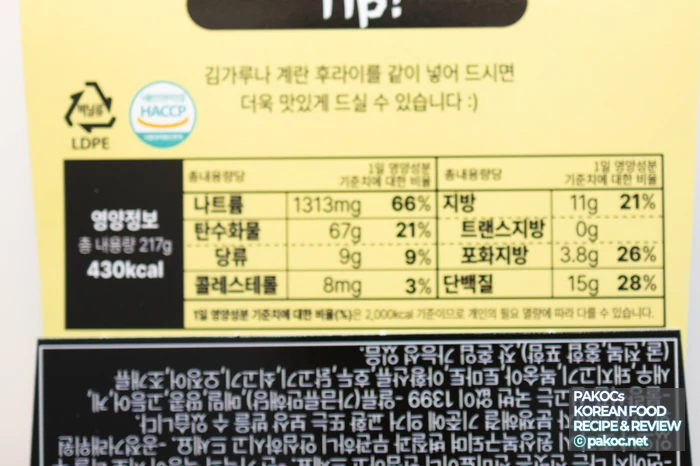
ⓒ
Copyright PAKOC https://pakoc.net | All Rights Reserved Pakoc(http://Pakoc.net)Buldak Cheese Seaweed Pasta: Contents and Cooking
Open the lid and the pre-cooked pasta noodles are inside, vacuum-sealed. On top: one slice of cheese, a sesame oil pouch, a bag of dried seaweed and garlic flakes, and a generously sized sauce pouch. Simple composition but a fair number of components to manage.
ⓒ
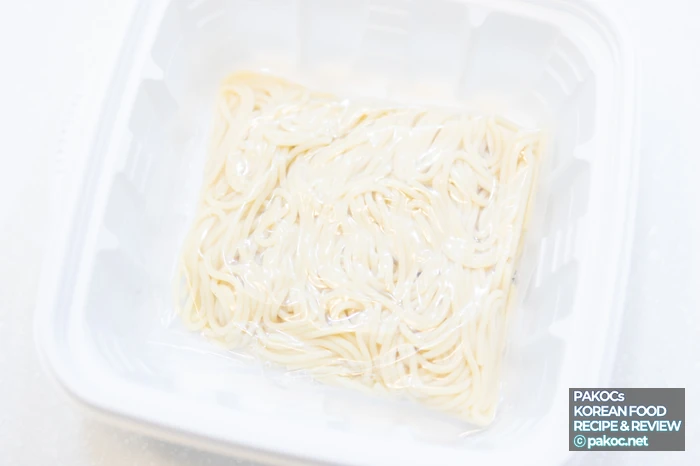
Copyright PAKOC https://pakoc.net | All Rights Reserved Pakoc(http://Pakoc.net)The noodles are pre-cooked — not the kind that needs boiling from dry. The refrigerated fresh-noodle style that’s become common in convenience store chilled pasta, spaghetti gauge, already pale and cooked. Microwave and eat.
ⓒ
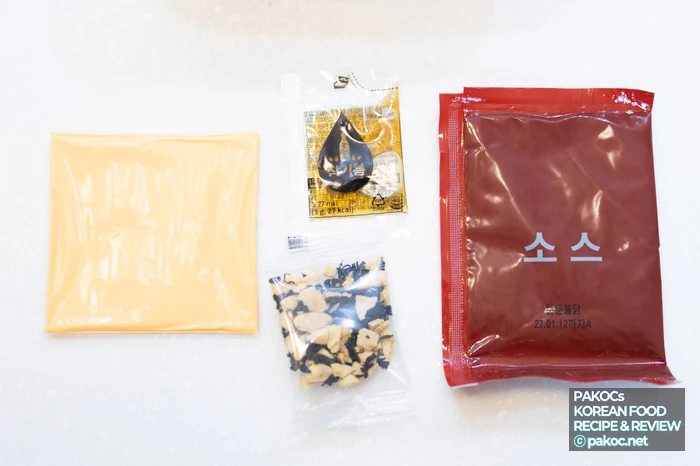
Copyright PAKOC https://pakoc.net | All Rights Reserved Pakoc(http://Pakoc.net)The sauce pouch is notably large — more volume than a standard Buldak Bokkeum Myeon (fire noodle) packet. Mixed into the noodles it coats generously, almost like jjajangmyeon sauce, and the result leans more toward a broth-style consistency than a dry toss. More on this in the taste section. The cheese is a standard cheddar slice. The seaweed and garlic flakes share a small transparent bag — dried miyeok in small pieces mixed with dried garlic slices, not separate bags.
ⓒ

Copyright PAKOC https://pakoc.net | All Rights Reserved Pakoc(http://Pakoc.net)Cooking time. Following the instructions: hot water added, noodles microwaved, then water drained leaving about one-third. Sauce mixed in first. One note: the solid ingredients should go in earlier than expected — a reminder to read the instructions carefully before starting.

ⓒ
Copyright PAKOC https://pakoc.net | All Rights Reserved Pakoc(http://Pakoc.net)
ⓒ
Copyright PAKOC https://pakoc.net | All Rights Reserved Pakoc(http://Pakoc.net)Cheese Melting Tips and Final Step
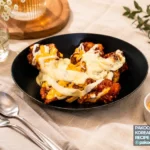
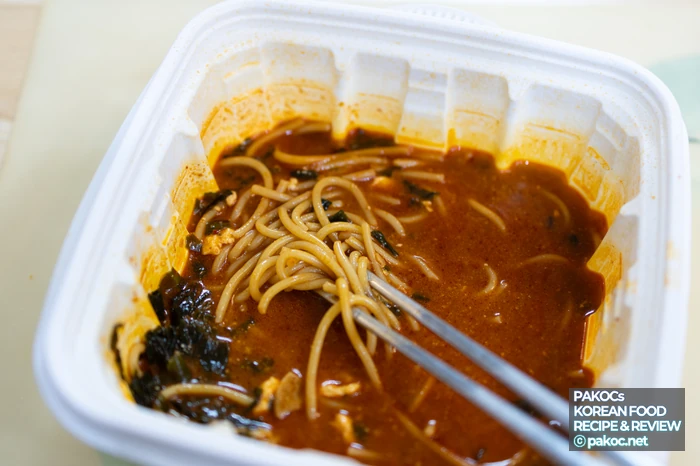
Cheese slice on top of the mixed noodles, then 1 minute 30 seconds in the microwave. Result: didn’t melt as much as expected. The slice largely held its shape — anyone expecting a creamy, fondue-style melt will be disappointed. Cheese aroma is present, but the texture stays in pieces rather than integrating into the sauce.
ⓒ
Copyright PAKOC https://pakoc.net | All Rights Reserved Pakoc(http://Pakoc.net)
ⓒ
Copyright PAKOC https://pakoc.net | All Rights Reserved Pakoc(http://Pakoc.net)Stirring it once and microwaving a bit more helped somewhat. The sesame oil on top at the very end — don’t skip it.
Taste Test

First impression: the heat level is noticeably gentler than expected for a buldak product. Braced for the full fire — it didn’t arrive. The spice functions more as a flavor accent than an assault. Clearly a milder version than the original Buldak Bokkeum Myeon fire noodles.
ⓒ
Copyright PAKOC https://pakoc.net | All Rights Reserved Pakoc(http://Pakoc.net)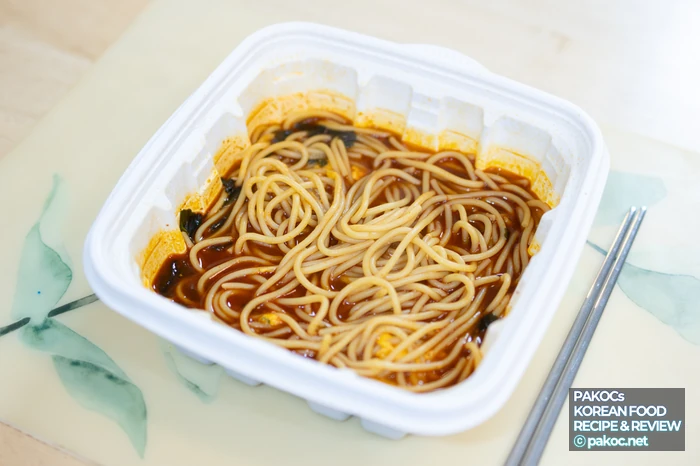
ⓒ
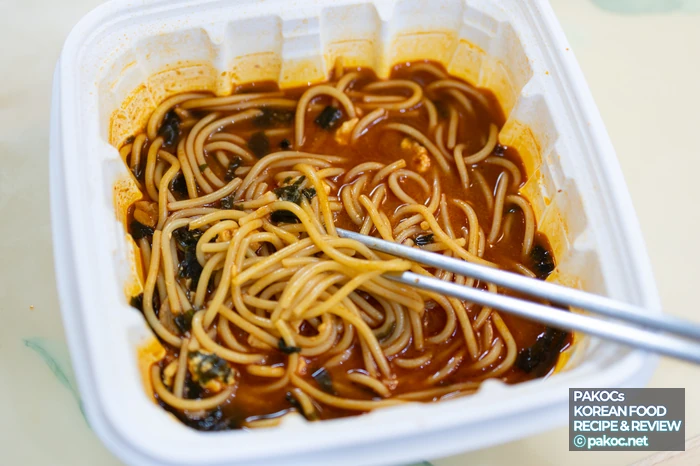
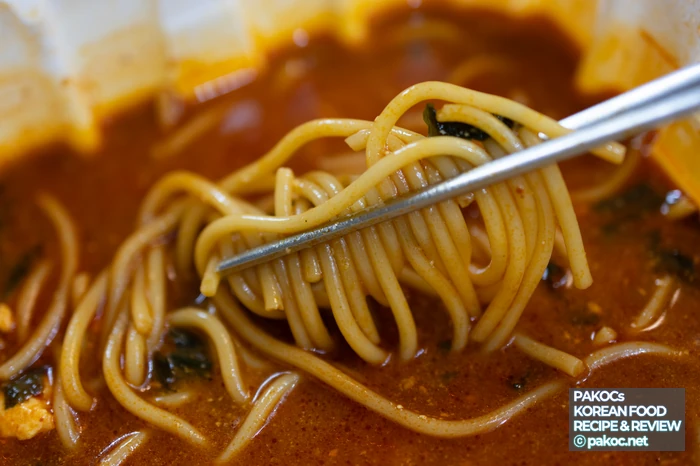
Copyright PAKOC https://pakoc.net | All Rights Reserved Pakoc(http://Pakoc.net)Leaving one-third of the water turned out to mean the dish stayed broth-like. The noodles don’t absorb liquid quickly, so the remaining water keeps the texture soupier than a dry-mixed pasta. For a drier result, drain more aggressively than the instructions suggest — leaving just enough to coat rather than pool.
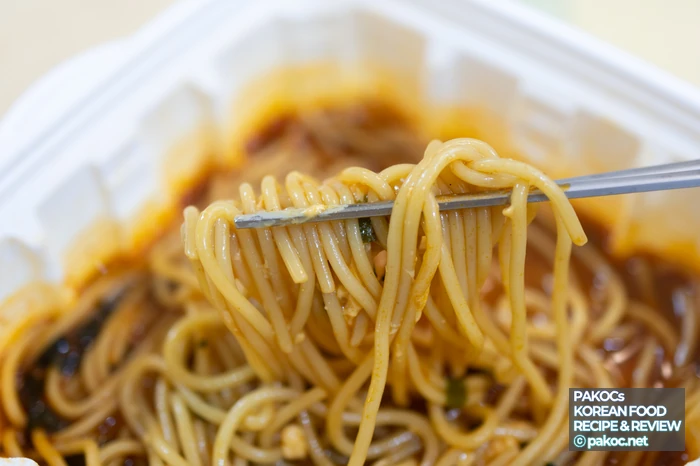
ⓒ
Copyright PAKOC https://pakoc.net | All Rights Reserved Pakoc(http://Pakoc.net)The seaweed and buldak pairing, which sounded unusual, worked. It doesn’t read as seaweed soup poured into fire noodles — the seaweed aroma sits underneath as a subtle layer, providing a gentle pause between hits of heat. An unexpectedly effective combination.

ⓒ
Copyright PAKOC https://pakoc.net | All Rights Reserved Pakoc(http://Pakoc.net)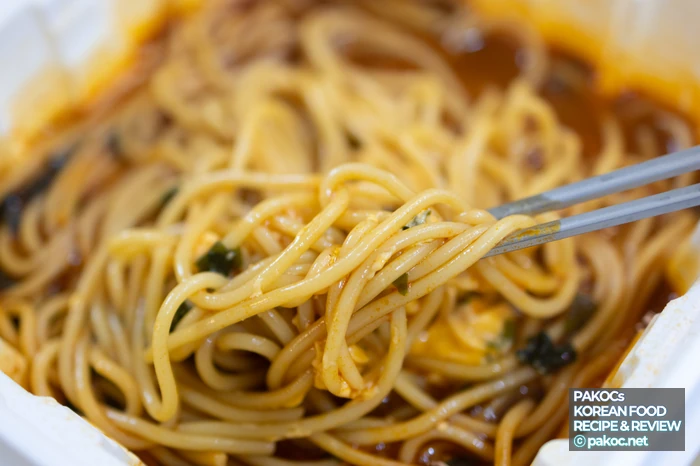
ⓒ
Copyright PAKOC https://pakoc.net | All Rights Reserved Pakoc(http://Pakoc.net)On the cheese: rather than leaving an ambiguous amount of water that results in ambiguous melting, the better approach is either to microwave the cheese in from the very beginning so it fully dissolves into the broth, or reduce the water significantly so it melts thick and gooey on top. Fully melted cheese also softens the heat level noticeably.
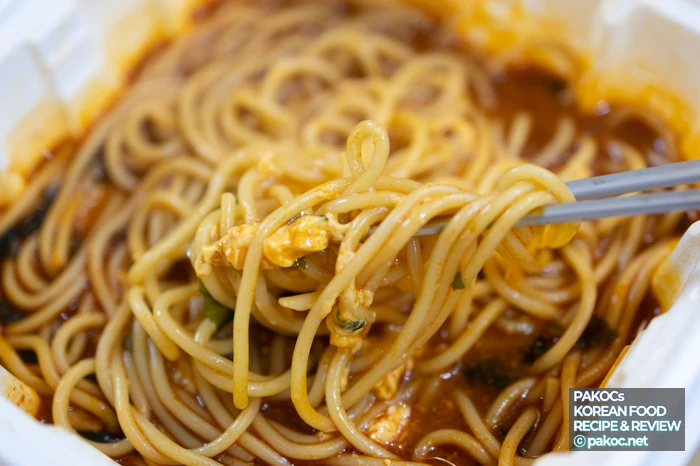
ⓒ
Copyright PAKOC https://pakoc.net | All Rights Reserved Pakoc(http://Pakoc.net)The sesame oil finish adds a pronounced nutty fragrance that lifts the dish. Between the cheese, sesame oil, seaweed, and the buldak base, this comes across as more layered than fiercely spicy — a more nuanced experience than the name suggests.
ⓒ
Copyright PAKOC https://pakoc.net | All Rights Reserved Pakoc(http://Pakoc.net)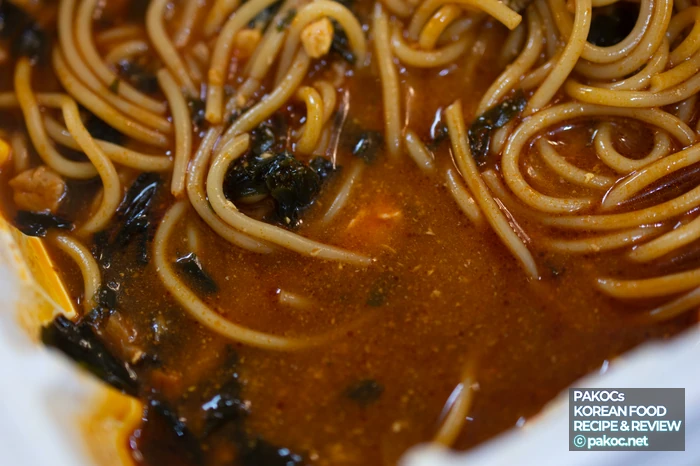
ⓒ
Copyright PAKOC https://pakoc.net | All Rights Reserved Pakoc(http://Pakoc.net)The packaging includes a tip: adding dried seaweed flakes or a fried egg is recommended. A fried egg with a soft runny yolk, broken and mixed in, would address the cheese-not-melting issue and soften the heat further. Worth picking up an egg at the same time from the convenience store.
ⓒ
Copyright PAKOC https://pakoc.net | All Rights Reserved Pakoc(http://Pakoc.net)Final Verdict
The product’s reason for existing is clear: make the viral buldak-seaweed combination accessible in a convenient ready-to-heat format. Heat level is gentler than standard buldak, and the seaweed pairing works better than expected. The main watch-outs are the sauce volume being on the generous side and the cheese not melting cleanly without technique adjustments. Worth buying for buldak series collectors, social media food trend followers curious about the buldak-seaweed pairing, and international visitors to Korea who want to try the combination without making it from scratch. Add an egg — it makes a noticeable difference.
ⓒ
Copyright PAKOC https://pakoc.net | All Rights Reserved Pakoc(http://Pakoc.net)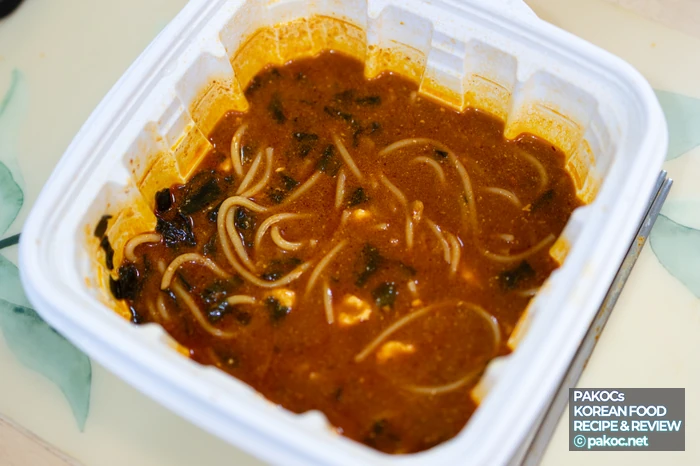
ⓒ
Copyright PAKOC https://pakoc.net | All Rights Reserved Pakoc(http://Pakoc.net)For background on the viral SNS buldak-seaweed broth noodle trend that inspired this product, see the (Korean source) Nate News report on the buldak-seaweed noodle SNS trend and CU convenience store sales.
Frequently Asked Questions
Q. How much does the CU Buldak Cheese Seaweed Pasta cost?
Around 5,500 won. At the higher end for a single convenience store item — a standard CU dosirak runs in the same range — but the product is a refrigerated fresh-noodle ready-to-heat item rather than a shelf-stable snack. The CU-exclusive positioning and the viral recipe origin justify the modest premium.
Q. How spicy is it compared to regular buldak products?
Noticeably milder than the original Buldak Bokkeum Myeon (fire noodle) — the spice reads as an accent rather than the main event. Prepared for the full buldak heat; it didn’t arrive. For context: someone who struggles with standard spicy Korean food managed it without needing water. Fully melting the cheese in the sauce softens the heat further.
Q. How do you get the cheese to melt properly?
Two approaches work better than the standard method. Option 1: add the cheese from the very beginning of microwaving so it fully dissolves into the broth. Option 2: drain more water than instructed so the cheese sits on top and melts into a thick, gooey layer. The standard “cheese on top after mixing, microwave 1.5 min” instruction leaves the cheese partially unmelted. Adding a fried egg with a runny yolk and mixing it through addresses the cheese gap and softens the heat simultaneously.
image sources
- 파스타 소스 조화 분석: Copyright PAKOC https://pakoc.net | All Rights Reserved Pakoc(http://Pakoc.net)