Korean fried chicken brand Norang Tongdak (often translated as “Yellow Whole Chicken”) just took its Udo Peanut Chicken nationwide in March 2026. The menu started as a “loconomy” (local-economy) concept built around peanuts grown on Udo Island off Jeju, originally sold only at a handful of Jeju locations before slowly expanding. The full national rollout finally arrived this spring, so I jumped at the chance to order one. Time to dig into what this peanut chicken actually delivers.
📋 At a Glance
- Product: Udo Peanut Chicken
- Brand: Norang Tongdak (Norang Food)
- Nationwide launch: March 2026 (after Jeju + 47-store pilot from December 2025 to January 2026)
- Price: 22,000 won for whole chicken or boneless / 24,000 won for combo
- Menu options: whole chicken, boneless, combo (half-and-half available at select stores)
- Main components: Udo peanut crumbs, corn flakes, peanut-based soy sauce coating, green tangerine (cheonggyul) dipping sauce
- Origin: domestic Korean for whole chicken / Brazilian chicken thigh for boneless
- Verdict: ★3.5 — Nutty depth and a sweet-savory balance, though anyone used to bold spicy Korean fried chicken may find it understated
Udo Peanut Chicken: Pricing and Background
It feels like the Udo Peanut Chicken news has been around forever. However, the original launch at Norang Tongdak’s Yeondong and Samhwa locations on Jeju only happened in December 2025, so it hasn’t actually been that long. It just felt like nearly half a year had passed. The menu comes in three formats: whole chicken, boneless, and combo. Some stores also offer a half-and-half option. Here’s a quick price check.
- Udo Peanut Chicken whole or boneless: 22,000 won
- Udo Peanut Chicken combo: 24,000 won
Sourcing Notes and the Bonus Dipping Sauce
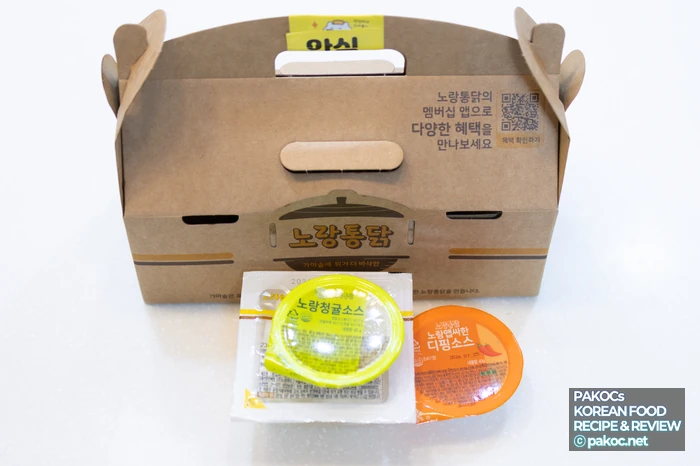
Since this is Norang Tongdak, the menu structure stays simple. Worth flagging: the whole chicken option uses Korean-domestic chicken, while the boneless option is made with Brazilian chicken thighs. Useful detail to know before ordering.
ⓒ
Copyright PAKOC https://pakoc.net | All Rights Reserved Pakoc(http://Pakoc.net)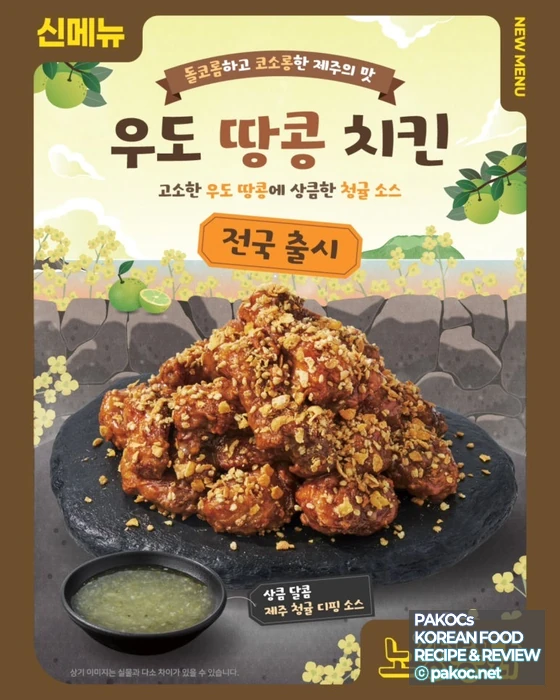
ⓒ
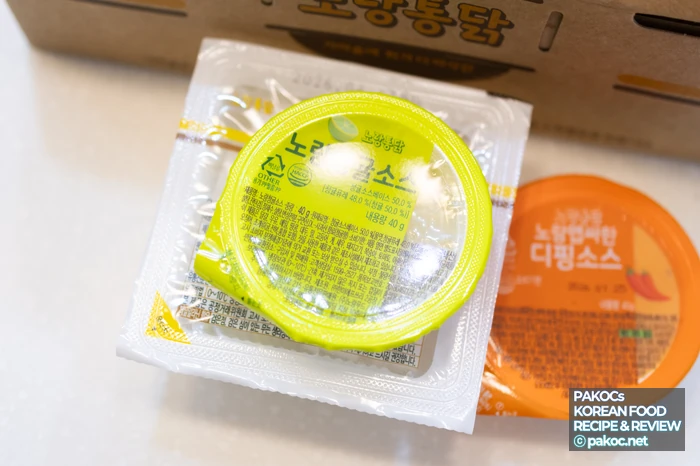
Copyright PAKOC https://pakoc.net | All Rights Reserved Pakoc(http://Pakoc.net)Personally, I order Norang Tongdak’s boneless option pretty often because the portion is generous. If you’re already used to the taste of Brazilian chicken thighs, it’s not a bad choice. However, sensitive palates should stick with the bone-in whole chicken. One nice touch with this menu: a green tangerine (cheonggyul) sauce comes included by default. Since I’d read that the chicken itself leans slightly sweet, I added a separate spicy dipping sauce to balance it out.
ⓒ
Copyright PAKOC https://pakoc.net | All Rights Reserved Pakoc(http://Pakoc.net)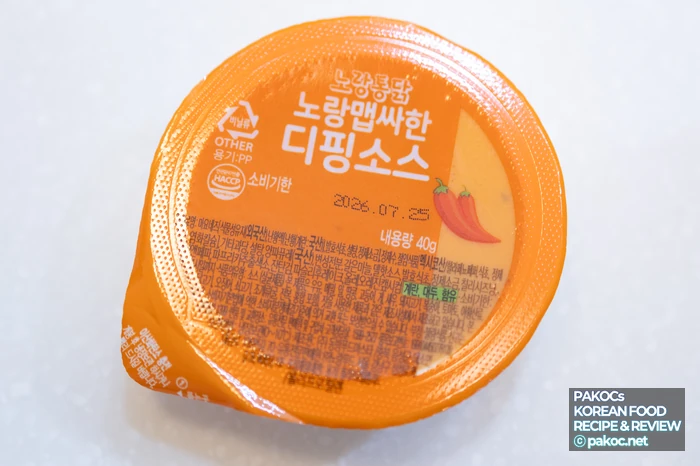
ⓒ
Copyright PAKOC https://pakoc.net | All Rights Reserved Pakoc(http://Pakoc.net)What’s Inside the Udo Peanut Chicken
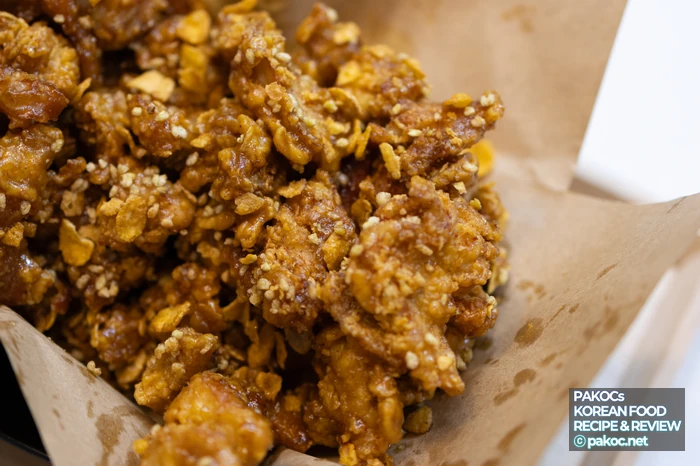
Time to look at what’s inside. The moment you open the box, the visual hits first — peanut crumbs scattered everywhere, with a nutty, sweet-savory sauce aroma rising up immediately.

ⓒ
Copyright PAKOC https://pakoc.net | All Rights Reserved Pakoc(http://Pakoc.net)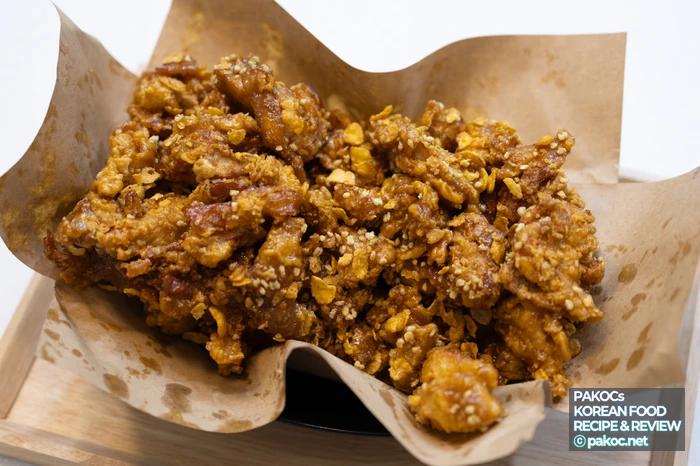
ⓒ
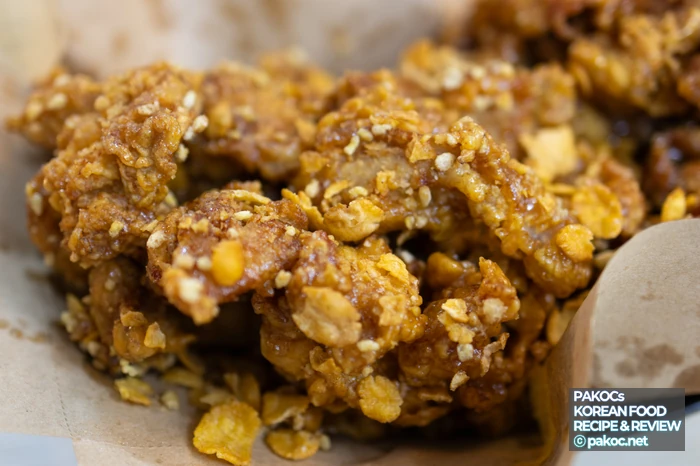
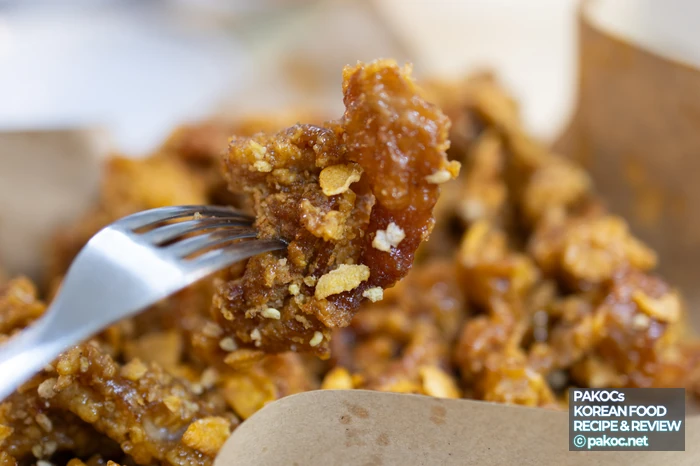
Copyright PAKOC https://pakoc.net | All Rights Reserved Pakoc(http://Pakoc.net)For the nationwide rollout, Norang Tongdak boosted the peanut content and rebalanced the overall sauce profile to refine the recipe. Corn flakes are also part of the topping, alongside the brand’s own dedicated peanut sauce. Looking up close, it’s not just a pile of peanut crumbs — the topping splits roughly half and half between flakes and peanut bits.
ⓒ
Copyright PAKOC https://pakoc.net | All Rights Reserved Pakoc(http://Pakoc.net)Generous Peanut Crumbs and Corn Flake Topping

The sauce, by the way, comes on pretty heavy. The sauce itself contains peanut, lending a slightly nutty edge alongside the salty soy base. Sniffing closely, the peanut aroma comes through subtly but clearly. Most chicken launches these days lean hard on heat, so this nutty, mellower direction stands out as a clear point of differentiation.
ⓒ
Copyright PAKOC https://pakoc.net | All Rights Reserved Pakoc(http://Pakoc.net)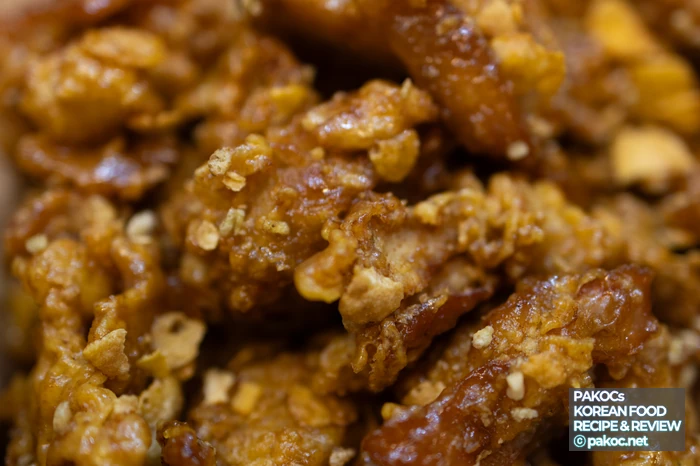
ⓒ
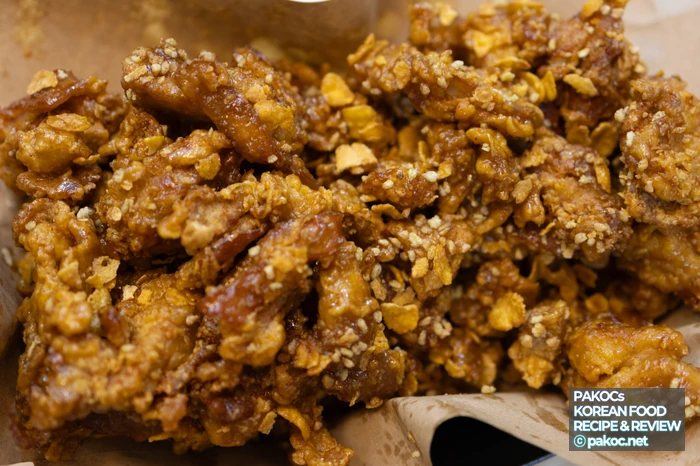
Copyright PAKOC https://pakoc.net | All Rights Reserved Pakoc(http://Pakoc.net)The peanut crumbs and corn flakes also come in serious volume. Not many brands sprinkle peanut crumbs over yangnyeom (seasoned) chicken these days, and there’s truly more peanut here than you’d find on most other peanut-style chicken — so the concept lands clearly. The added flakes should bring a nice crispy crunch on top.
ⓒ
Copyright PAKOC https://pakoc.net | All Rights Reserved Pakoc(http://Pakoc.net)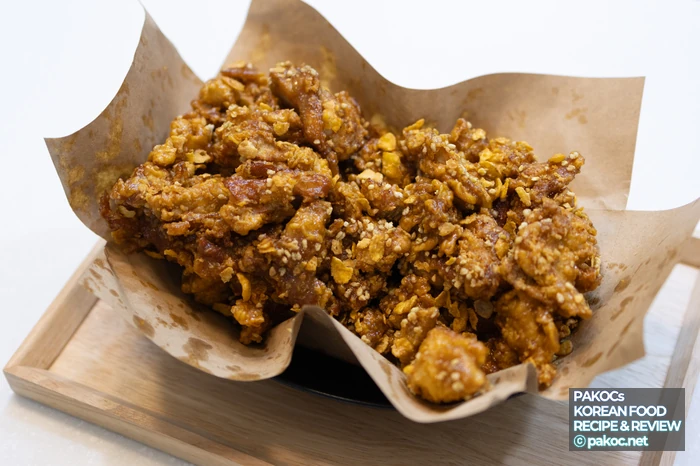
ⓒ
Copyright PAKOC https://pakoc.net | All Rights Reserved Pakoc(http://Pakoc.net)First Impressions of the Green Tangerine Dipping Sauce
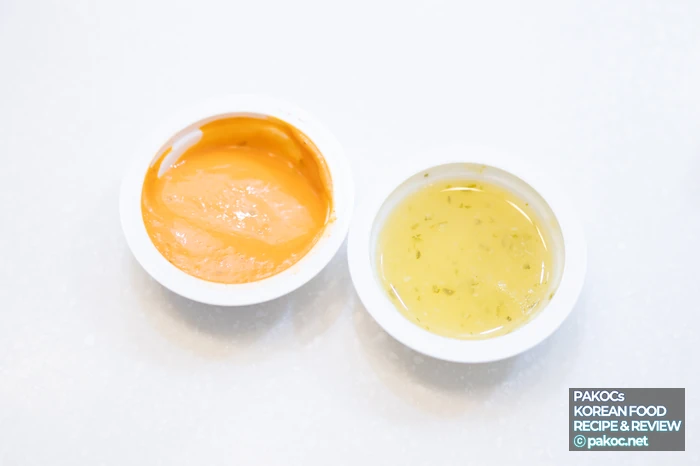
One last component worth flagging: the green tangerine dipping sauce that comes with the order. I half-expected it to be opaque and lemon-leaning like the orange juice base behind American Chinese-style orange chicken, so I cracked the lid expecting that. Instead, the sauce was clearer than predicted — it really looks like it should taste of fresh cheonggyul. Only a real tasting will tell. Whenever the chicken needs a flavor reset, dipping it in seems like the move.
ⓒ
Copyright PAKOC https://pakoc.net | All Rights Reserved Pakoc(http://Pakoc.net)Taste Test: How Does It Actually Eat?

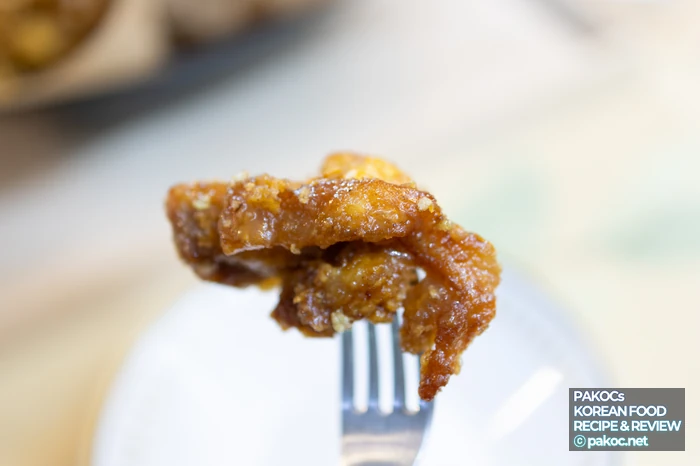
Time for the actual tasting. Picking up a piece, you can see the peanut crumbs and corn flakes sticking to it generously. Hold it close to your nose and the nutty aroma rises right up. Onto the first bite.
ⓒ
Copyright PAKOC https://pakoc.net | All Rights Reserved Pakoc(http://Pakoc.net)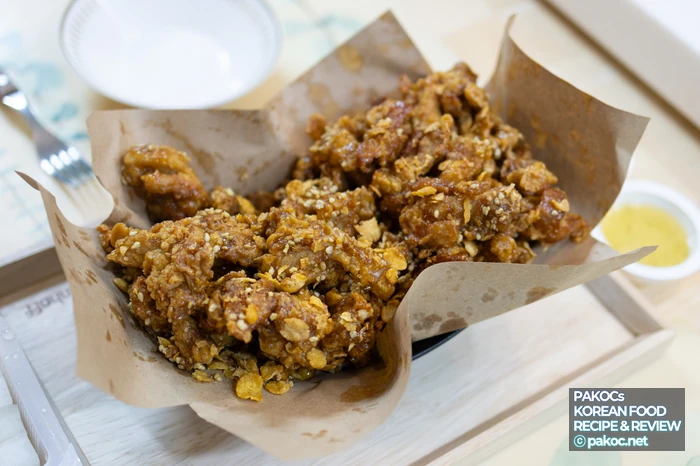
ⓒ
Copyright PAKOC https://pakoc.net | All Rights Reserved Pakoc(http://Pakoc.net)Subtle Sweetness and Savory Depth Behind the Nuttiness
The nutty richness lands well, and the slight saltiness of the soy-based sauce adds a savory edge that keeps the dish from feeling too heavy. That said, this leans more toward peanut aroma than peanut flavor proper, with a faintly sweet finish reminiscent of peanut cream. Overall, the nuttiness blends with the flakes and the batter into a fairly complex composite taste.
ⓒ
Copyright PAKOC https://pakoc.net | All Rights Reserved Pakoc(http://Pakoc.net)Baseline-wise it’s solid, and I’d put it firmly in the “pretty good” tier. You might assume peanut chicken just tastes nutty, but there’s surprising umami here that keeps you reaching for another piece. However, anyone used to punchy, aggressive flavors might find themselves tiring of it sooner than expected.
ⓒ
Copyright PAKOC https://pakoc.net | All Rights Reserved Pakoc(http://Pakoc.net)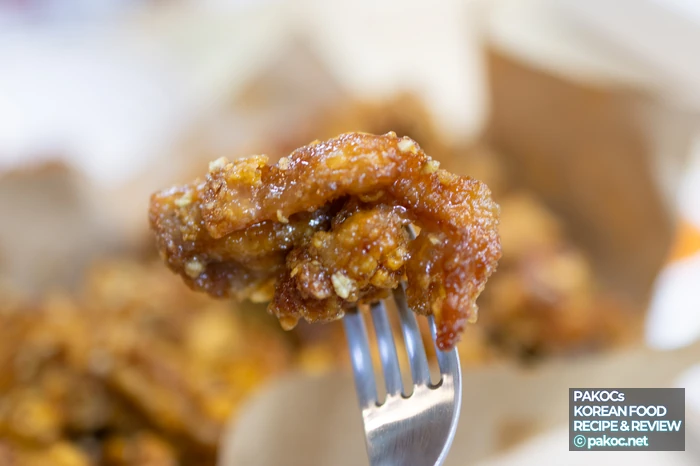
ⓒ
Copyright PAKOC https://pakoc.net | All Rights Reserved Pakoc(http://Pakoc.net)I had to try the green tangerine sauce too — and this is where opinions will split sharply. The aroma is genuinely unique, that distinctive lemon-and-lime tang of cheonggyul. On one hand, it refreshes the palate from the nutty sweetness, which works well. On the other hand, some people will find the scent unfamiliar enough to read as artificial, leading to a bit of resistance.
Final Verdict
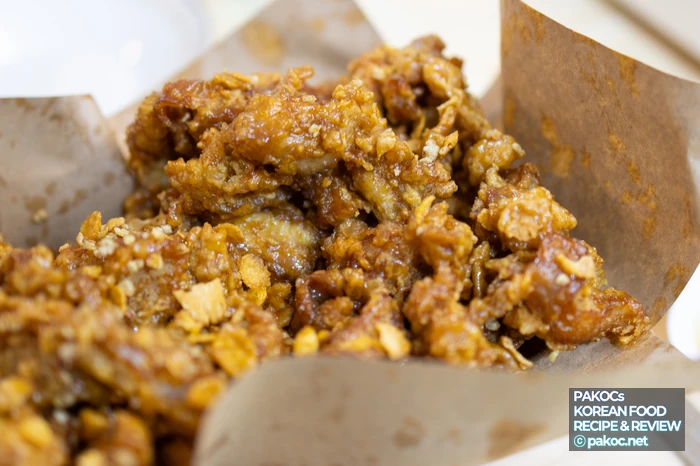
The boneless option from Norang Tongdak is generously portioned, so value-for-money never felt like an issue. About halfway through, I started feeling slightly fatigued by the sustained sweetness, so I rotated through the spicy dipping sauce and the green tangerine sauce to mix things up. If you’re going to order this, I’d grab the original alongside a couple of dipping sauces tailored to your preference. Going through a whole chicken with only the green tangerine sauce alone is a bit of a stretch.
ⓒ
Copyright PAKOC https://pakoc.net | All Rights Reserved Pakoc(http://Pakoc.net)I left about a third on the plate but polished off the rest. Anyone used to bold, aggressive flavors might find this on the mild side. Still, kids can eat it without issue, the appeal doesn’t fade as quickly as expected, and it holds up perfectly well even without extra dipping sauces. If you’ve been curious about Udo Peanut Chicken but couldn’t find it locally before, this nationwide rollout is a solid excuse to finally place an order. For travelers visiting Korea this spring, it’s also a good chance to taste a uniquely Jeju-flavored take on Korean fried chicken.
ⓒ
Copyright PAKOC https://pakoc.net | All Rights Reserved Pakoc(http://Pakoc.net)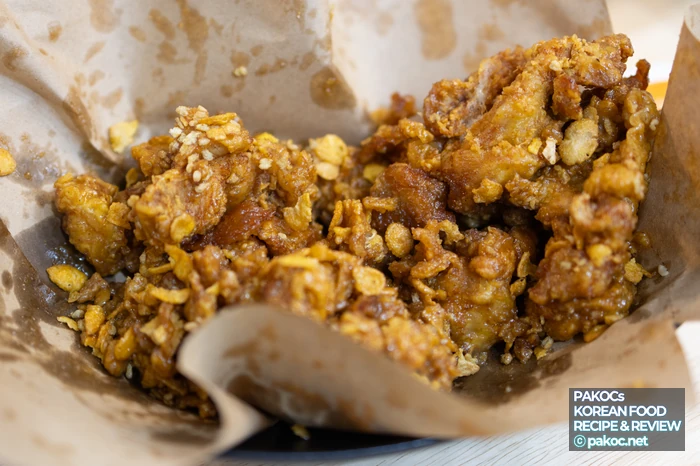
ⓒ
Copyright PAKOC https://pakoc.net | All Rights Reserved Pakoc(http://Pakoc.net)For background on the nationwide rollout and the recipe refinements, see (Korean source) Foodbank coverage of Norang Tongdak’s Udo Peanut Chicken nationwide expansion.
Frequently Asked Questions
Q. Is the Udo Peanut Chicken available outside Korea?
Not currently. This is a Norang Tongdak Korea exclusive that went nationwide in March 2026, after a Jeju and 47-store pilot from late 2025. International travelers visiting Korea can order it at any Norang Tongdak location around the country.
Q. How much does it cost?
Both the whole chicken and boneless versions are 22,000 won, and the combo runs 24,000 won. Some stores offer half-and-half. Norang Tongdak’s membership app also runs occasional discount and delivery-fee promotions, so it’s worth checking before you order.
Q. What does it actually taste like?
Think nutty peanut aroma layered over a salty soy-based sauce, with a faintly sweet finish reminiscent of peanut cream. The corn flakes add crunch alongside the peanut crumbs. It leans more nutty-aromatic than overtly peanut-flavored. Anyone used to bold spicy Korean fried chicken may find it understated, but it’s an easy-going style that even kids handle well.
Q. Why “Udo” peanuts and what makes them special?
Udo is a small island off Jeju, known for peanuts grown in its volcanic soil. Local-specialty (loconomy) menus built around regional ingredients have been a Korean F&B trend lately, and Norang Tongdak’s collaboration spotlights the Udo peanut as a nutty flavor base instead of leaning on the more typical heat-driven seasoning. The brand says peanut content was increased and the sauce rebalanced for the nationwide release.
image sources
- 소스 조합 완벽한 조화: Copyright PAKOC https://pakoc.net | All Rights Reserved Pakoc(http://Pakoc.net)