Korean food giant Ottogi just dropped Jin Milmyeon in late March 2026 — a new entry in its Jin instant-noodle series, framed as a Busan-style traditional milmyeon (cold wheat noodles). The aim is to recreate the flavor of legendary old-school Busan milmyeon shops at home, complete with a beef-bone broth that you actually pour over the noodles. With Korea’s summer cold-noodle race kicking off earlier each year, Ottogi is back in the ring against Paldo and Nongshim. Time to see how this one stacks up.
📋 At a Glance
- Product: Jin Milmyeon
- Brand: Ottogi (Jin instant-noodle series)
- Launch date: late March 2026
- Price: 5,380 won (Ottogi Mall official price, 4-pack)
- Specs: 135g total weight / 565 kcal / 70% of daily sodium
- Components: noodles, special milmyeon sauce (liquid), flavor oil (sesame-based), and powdered “secret broth” containing beef-bone, brisket and sautéed beef-onion concentrates
- 2-way preparation: bibim (mixed) style with 100ml hot water on the side / mul (broth) style with broth dissolved in 100ml cold water and poured over the noodles
- Verdict: ★4.0 — Less sweet and more umami than typical Korean cold-noodle rivals, the most distinctive 2026 bibimmyeon launch
Ottogi Jin Milmyeon: Pricing and Concept
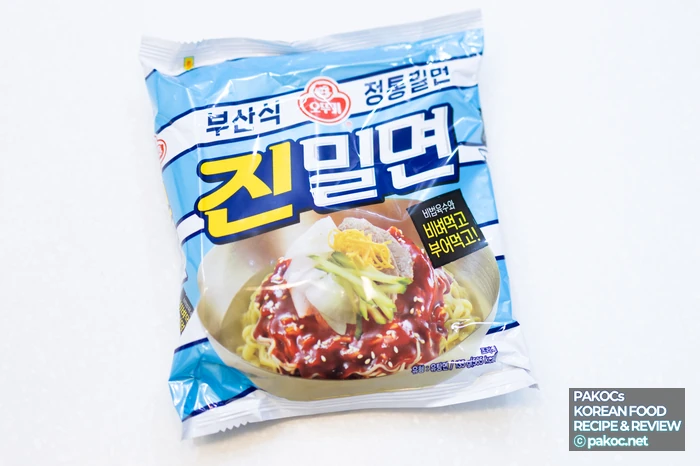
Every summer, Paldo Bibimmyeon and Nongshim’s Bae Hong-dong battle it out in the cold-noodle market — leaving Ottogi, with only Jin Bibimmyeon in its lineup, watching from the sidelines. This year, the company has dropped a more distinctive concept. The brief: bring the warm-broth-meets-cold-noodle combo from old-school Busan milmyeon shops home. I picked up a pack at Ottogi Mall’s official price of 5,380 won.
ⓒ
Copyright PAKOC https://pakoc.net | All Rights Reserved Pakoc(http://Pakoc.net)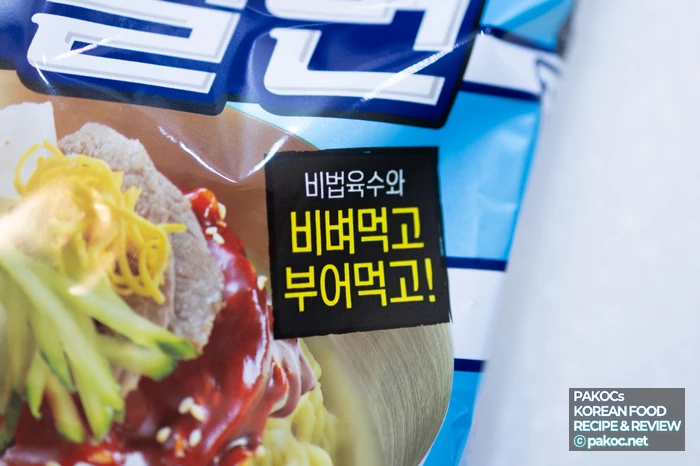
ⓒ
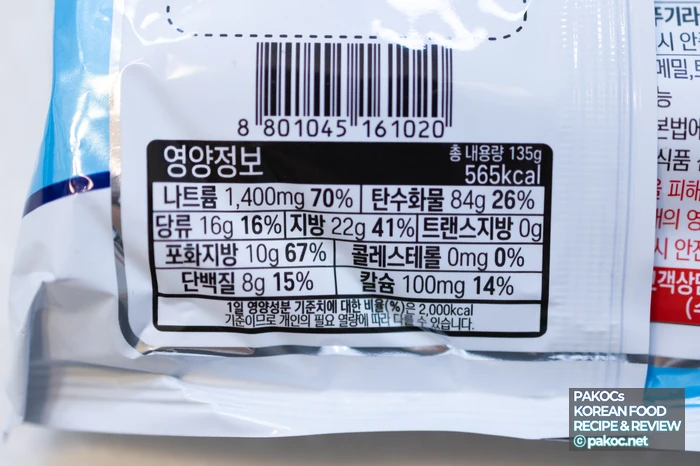
Copyright PAKOC https://pakoc.net | All Rights Reserved Pakoc(http://Pakoc.net)The total content weighs 135g, with 565 kcal and 70% of the daily sodium allowance — pretty standard for a bibimmyeon. The cooking method: boil noodles for 4 minutes in 500ml of water, drain, rinse thoroughly with cold water, then mix in the special milmyeon sauce and flavor oil.
ⓒ
Copyright PAKOC https://pakoc.net | All Rights Reserved Pakoc(http://Pakoc.net)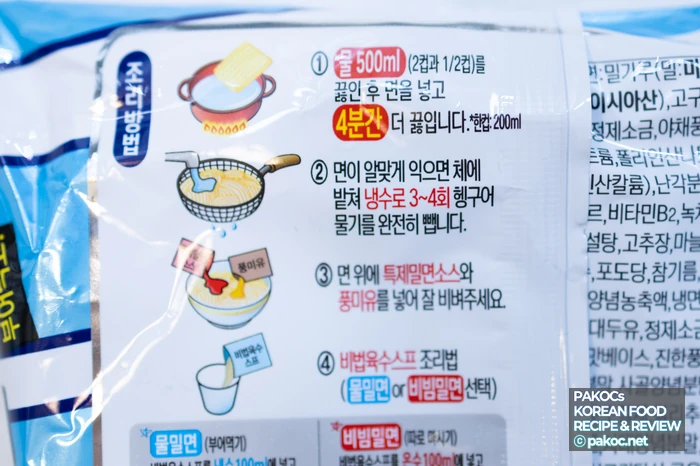
ⓒ
Copyright PAKOC https://pakoc.net | All Rights Reserved Pakoc(http://Pakoc.net)The Secret Broth That Enables 2-Way Eating
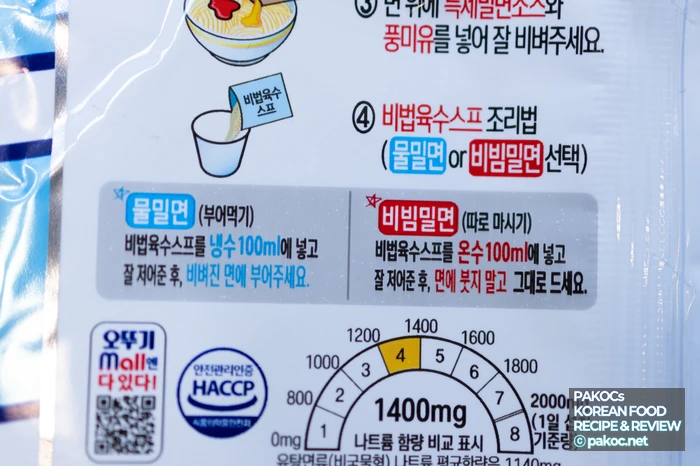
The headline feature is the secret broth packet, a powdered soup that you stir into water. There are two ways to enjoy it: mul-milmyeon (broth-style) and bibim-milmyeon (mixed-style). For mul-milmyeon, dissolve the powder in 100ml of cold water and pour it over the noodles. For bibim-milmyeon, dissolve in 100ml of hot water and serve as a side. Looking at the broth packet’s ingredients, you’ll see beef stock powder, beef-bone concentrate, and sautéed beef-and-onion powder — umami-rich components that really work better in the broth-pour style.
ⓒ
Copyright PAKOC https://pakoc.net | All Rights Reserved Pakoc(http://Pakoc.net)What’s Inside the Pack
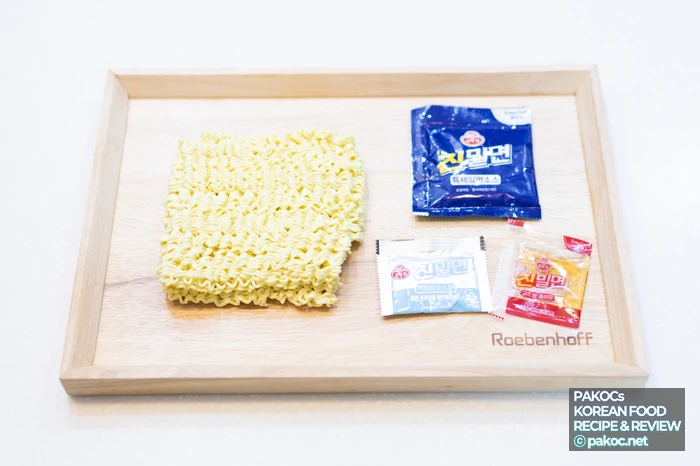
Quick rundown on what’s in the pack — including the noodles, there are four components total. The noodles are slightly thin and rectangular in shape. For a bibimmyeon, the component count runs on the higher side.
ⓒ
Copyright PAKOC https://pakoc.net | All Rights Reserved Pakoc(http://Pakoc.net)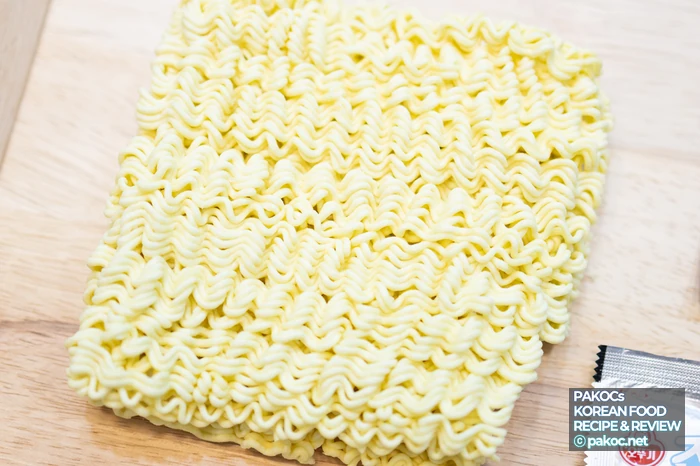
ⓒ
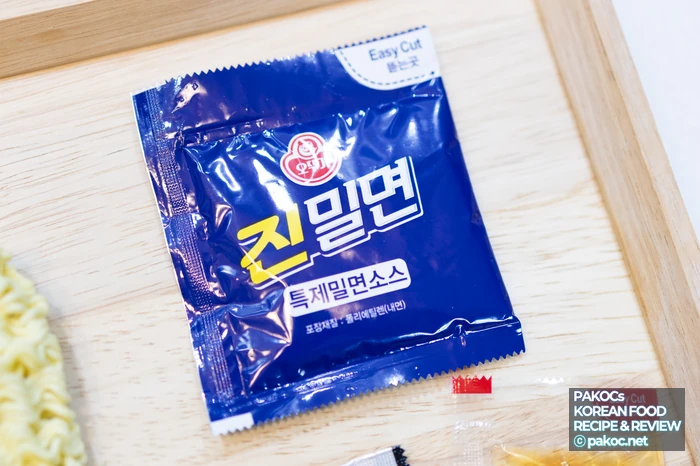
Copyright PAKOC https://pakoc.net | All Rights Reserved Pakoc(http://Pakoc.net)The special milmyeon sauce is a slightly thick liquid soup, and the flavor oil appears to be sesame-based with a few additional ingredients. Most bibimmyeon products fold oil directly into the sauce, so a separate flavor-oil packet is a less common touch. It looks like the format is borrowed from real milmyeon, with the goal of adding a nutty depth.
ⓒ
Copyright PAKOC https://pakoc.net | All Rights Reserved Pakoc(http://Pakoc.net)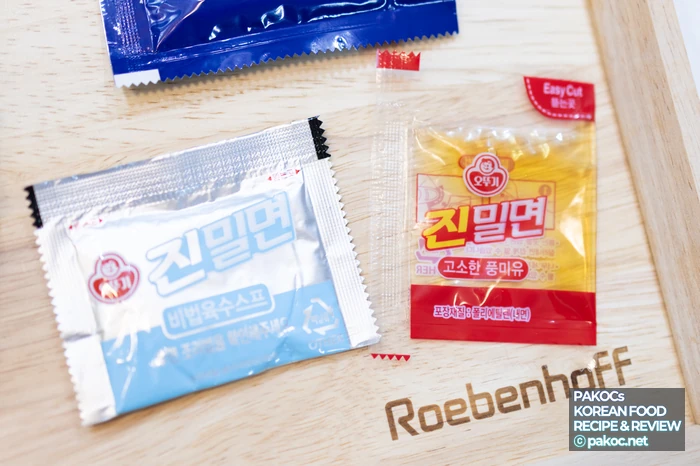
ⓒ
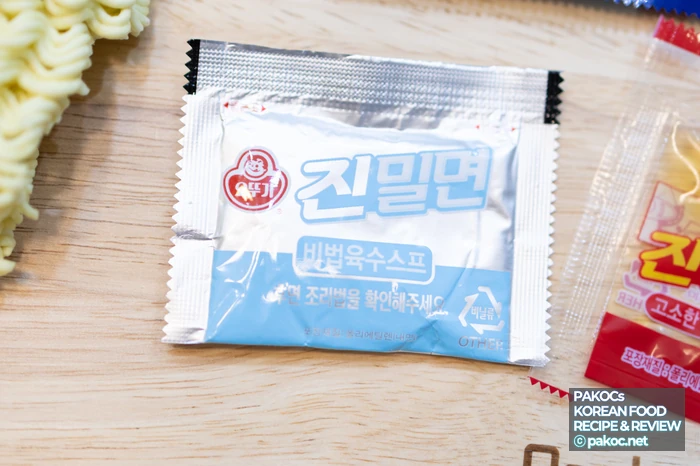
Copyright PAKOC https://pakoc.net | All Rights Reserved Pakoc(http://Pakoc.net)And the secret broth in question — the volume isn’t all that huge. Then again, since you’re dissolving it into just 100ml of water, there’s no real need for it to be larger.
ⓒ
Copyright PAKOC https://pakoc.net | All Rights Reserved Pakoc(http://Pakoc.net)Cooking the Jin Milmyeon
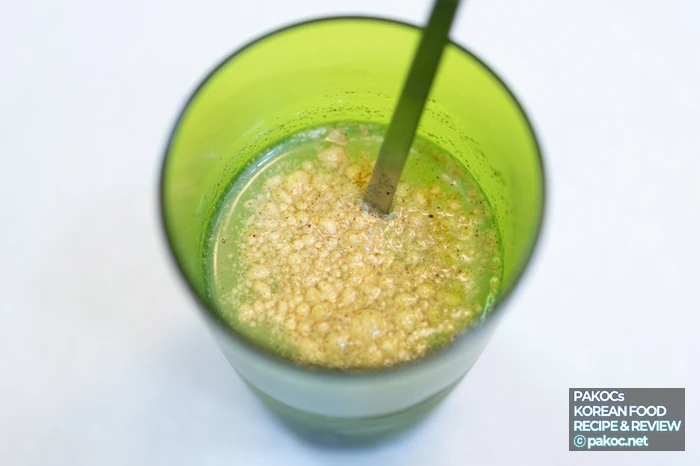
I went with the mul-milmyeon (broth-pour) approach first. I dissolved the secret broth powder in 200ml of cold water (since I was making two packs), but it didn’t fully dissolve as I’d hoped. The catch is that bibimmyeon really needs to stay cold, so warming the water to dissolve the powder isn’t really an option. Worth knowing before you start cooking.
ⓒ
Copyright PAKOC https://pakoc.net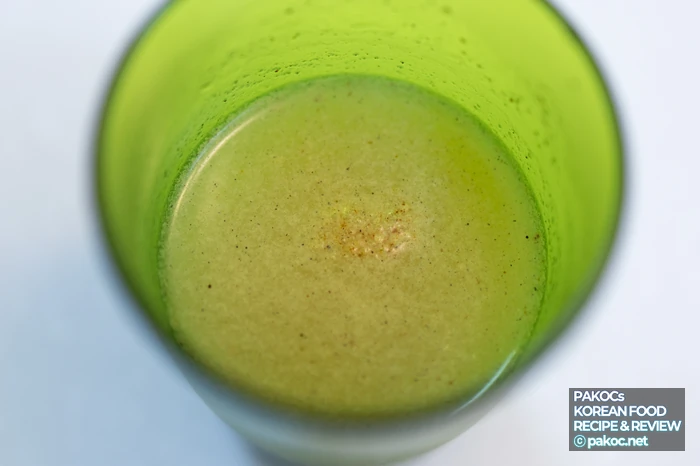
ⓒ

Copyright PAKOC https://pakoc.net | All Rights Reserved Pakoc(http://Pakoc.net)With the noodles ready, I rinsed them in cold water and shook off as much moisture as possible. Then I poured in the milmyeon sauce and flavor oil and mixed everything together. The sauce looks fairly thick, but it actually mixes more easily than expected — the flavor oil helps too.
ⓒ
Copyright PAKOC https://pakoc.net | All Rights Reserved Pakoc(http://Pakoc.net)
ⓒ
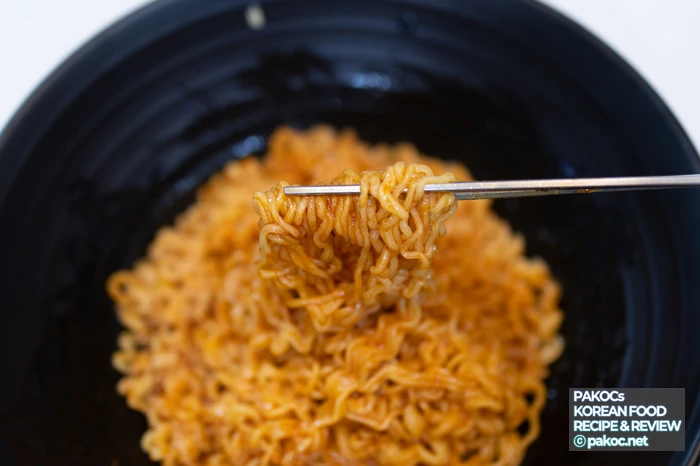
Copyright PAKOC https://pakoc.net | All Rights Reserved Pakoc(http://Pakoc.net)Before pouring the broth on top for the mul-milmyeon style, I tasted just the mixed noodles first. After all, eating bibim-style means adding the warm broth on the side instead. The taste here is noticeably less sweet than other bibimmyeon options. Compared to Bae Hong-dong or Paldo Bibimmyeon, it actually feels slightly spicier — likely because the sweetness has been pulled back.
ⓒ

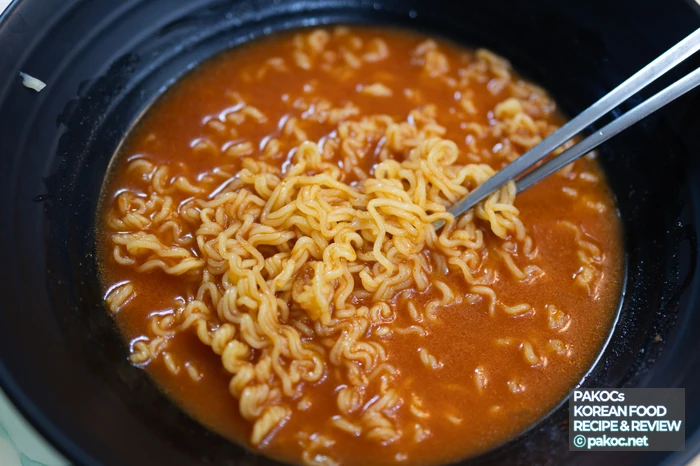
Copyright PAKOC https://pakoc.net | All Rights Reserved Pakoc(http://Pakoc.net)Then I poured the prepared broth over the mixed noodles. However, the visual is a touch plain — honestly, it almost feels like you could just stir the broth powder in dry, mix the noodles, then add water. But I’ll trust there’s a reason for the official method.
ⓒ
Copyright PAKOC https://pakoc.net | All Rights Reserved Pakoc(http://Pakoc.net)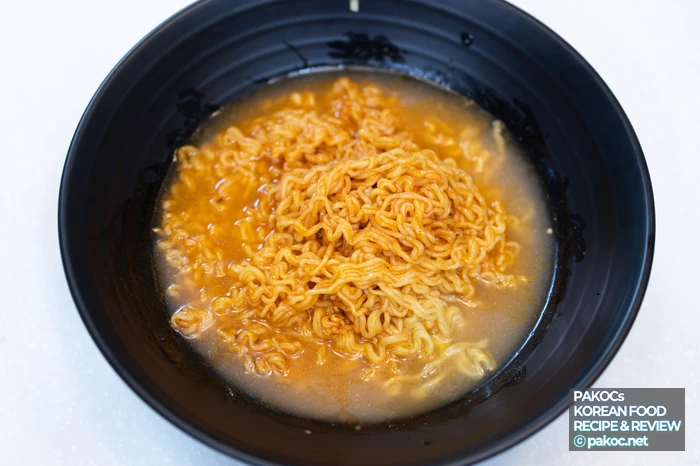
ⓒ
Copyright PAKOC https://pakoc.net | All Rights Reserved Pakoc(http://Pakoc.net)Taste Test: How Does It Eat?

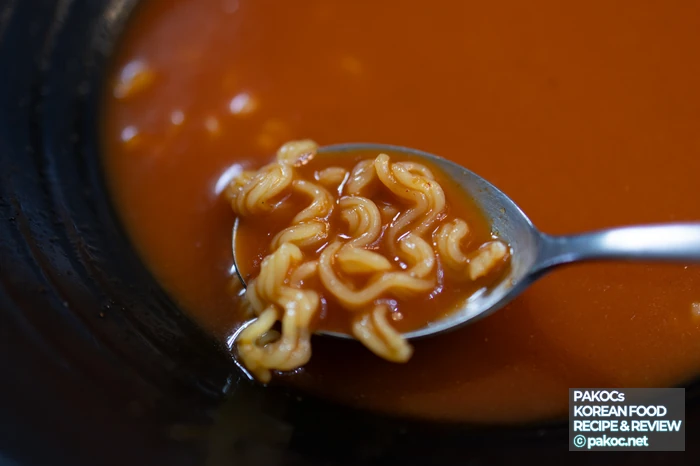
Time to dig in. When I first poured in the broth, it looked a little watered down. However, after letting it sit for a moment, the soup quickly turned a deep red — exactly the look of a thick milmyeon seasoning blended right in.
ⓒ
Copyright PAKOC https://pakoc.net | All Rights Reserved Pakoc(http://Pakoc.net)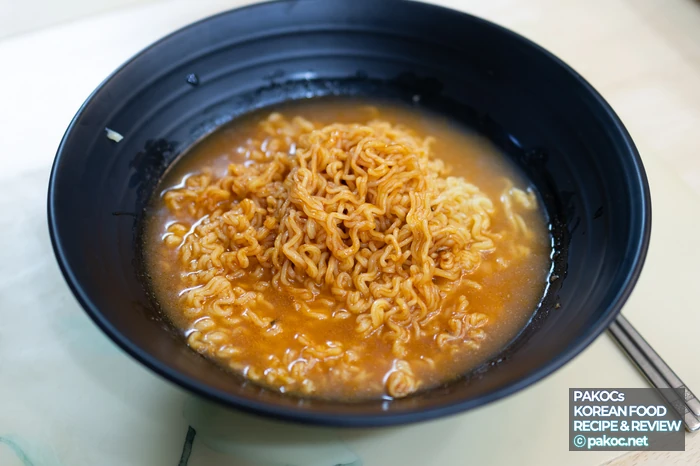
ⓒ
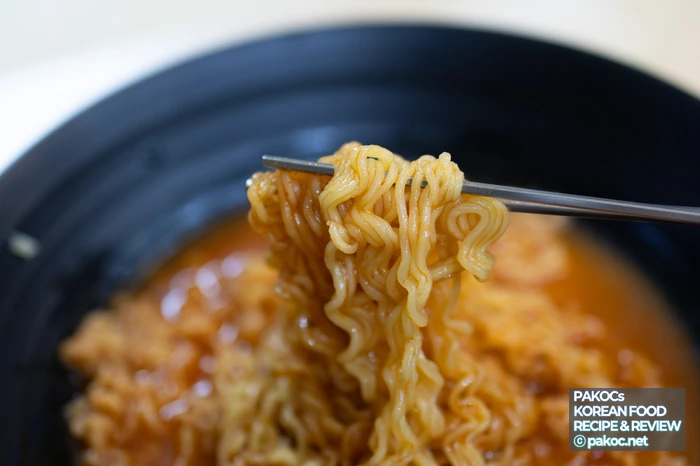
Copyright PAKOC https://pakoc.net | All Rights Reserved Pakoc(http://Pakoc.net)Picking up the first bite, the cool milmyeon character comes through. It’s not a one-to-one match with proper milmyeon — though milmyeon shops vary plenty themselves — and Ottogi’s version leans a little sweeter than the real thing.
ⓒ
Copyright PAKOC https://pakoc.net | All Rights Reserved Pakoc(http://Pakoc.net)Umami Depth That Sets It Apart from Other Bibimmyeon
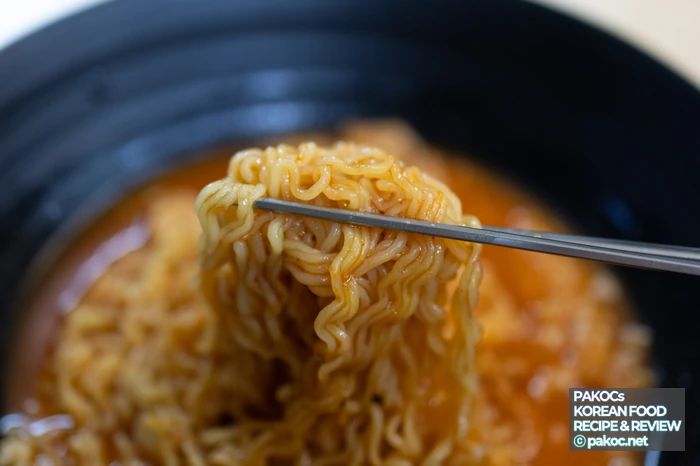
Here’s the trick: even though Jin Milmyeon is sweeter than real milmyeon, it’s noticeably less sweet than Bae Hong-dong or Paldo Bibimmyeon. Instead, the seasonings in the broth bring a fairly strong umami depth. That clear differentiation from other bibimmyeon products is a real strength.
ⓒ
Copyright PAKOC https://pakoc.net | All Rights Reserved Pakoc(http://Pakoc.net)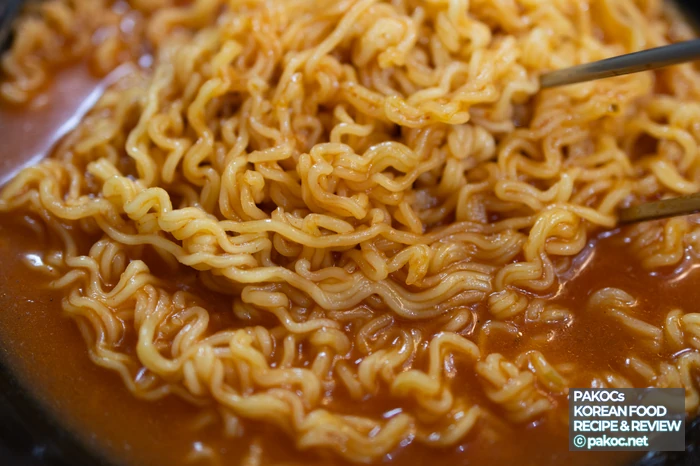
ⓒ
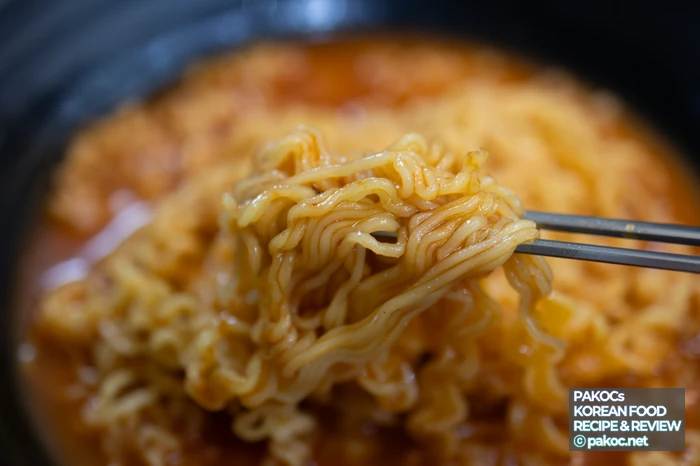
Copyright PAKOC https://pakoc.netOther bibimmyeon usually demand two packs to feel satisfying (about 1.5 packs is supposedly the sweet spot), and Jin Milmyeon falls in the same camp. That said, drinking the broth too should fill you up more than a typical pack.
ⓒ
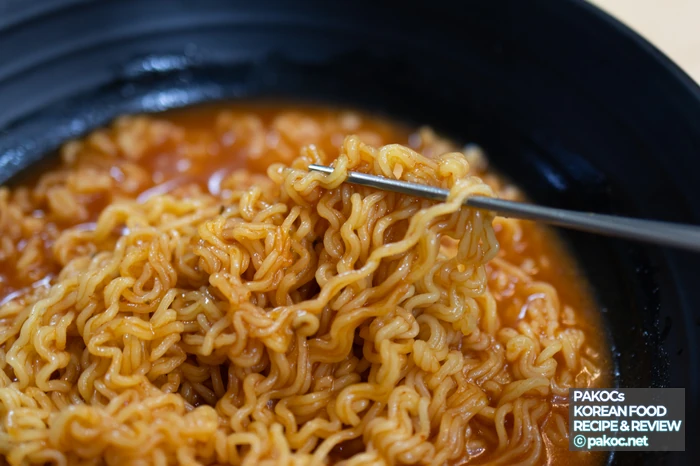
Copyright PAKOC https://pakoc.net | All Rights Reserved Pakoc(http://Pakoc.net)You might assume the added broth would mute the heat, but the spiciness is surprisingly assertive. As you keep eating, the heat builds in the background — quietly accumulating, rather than hitting all at once. It never gets overwhelming, though.
ⓒ
Copyright PAKOC https://pakoc.net | All Rights Reserved Pakoc(http://Pakoc.net)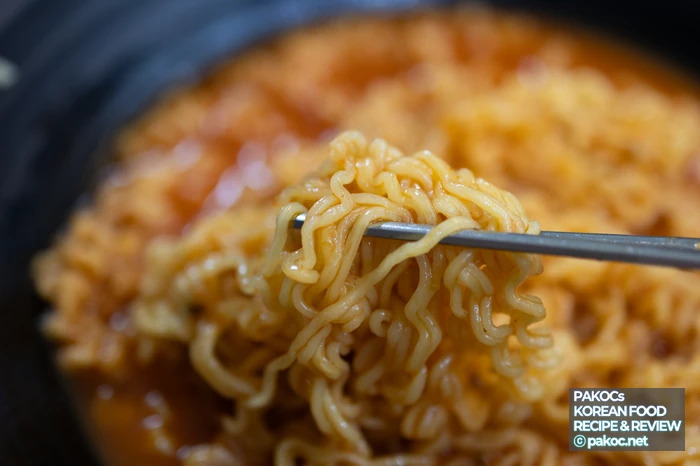
ⓒ
Copyright PAKOC https://pakoc.net | All Rights Reserved Pakoc(http://Pakoc.net)Final Verdict
Personally, I really enjoyed this one. The flavor never feels heavy, the umami carries the whole thing well, and the broth-pour mul-milmyeon format is genuinely distinctive. Next time I’ll have to try pairing the broth with a regular pack of bibimmyeon to see how that plays.
ⓒ
Copyright PAKOC https://pakoc.net | All Rights Reserved Pakoc(http://Pakoc.net)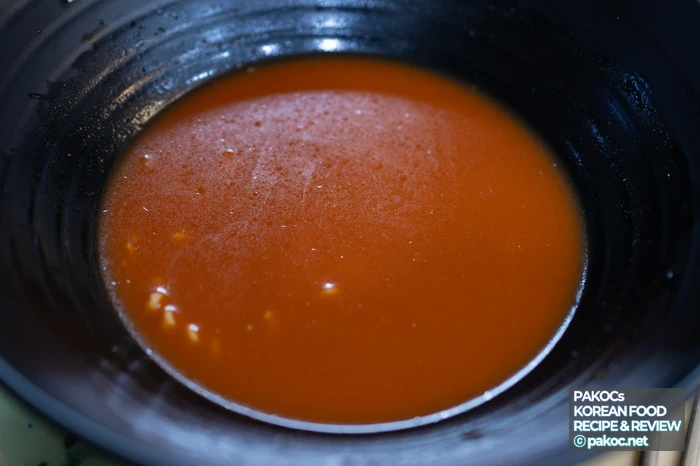
ⓒ
Copyright PAKOC https://pakoc.net | All Rights Reserved Pakoc(http://Pakoc.net)No real complaints, and overall a satisfying meal. This summer, Nongshim, Paldo, and Ottogi all dropped notable bibimmyeon launches — and among them, Jin Milmyeon is both the most off-the-beaten-path and, in my view, the strongest of the bunch. If you have a soft spot for Busan-style milmyeon, this one’s worth a try. For travelers visiting Korea this summer, it’s also a chance to try a Busan regional flavor in instant-noodle format.
ⓒ
Copyright PAKOC https://pakoc.net | All Rights Reserved Pakoc(http://Pakoc.net)For background on the launch and the development of the beef-bone and brisket secret broth, see (Korean source) News1 coverage of the Ottogi Jin Milmyeon launch.
Frequently Asked Questions
Q. Is Jin Milmyeon available outside Korea?
Not currently — this is a Korean-market launch from late March 2026. International travelers visiting Korea can find it at Coupang and major hypermarkets nationwide. Some Korean grocery stores abroad may stock Ottogi imports later in the year, but availability varies by region.
Q. How much does Jin Milmyeon cost?
Ottogi Mall lists it at 5,380 won for a 4-pack. Prices may run a bit lower at Coupang or major hypermarkets — at the Coupang pre-launch, it sold for 4,480 won per 4-pack. Pricing sits roughly in line with other premium bibimmyeon launches.
Q. What does Jin Milmyeon actually taste like?
Less sweet than typical Korean bibimmyeon, with strong umami driven by the beef-bone and brisket broth — clearly differentiated from Bae Hong-dong or Paldo Bibimmyeon. The heat builds quietly the more you eat. Compared to authentic Busan milmyeon, it leans slightly sweeter and lands closer to instant-ramyun territory, but the cool milmyeon vibe still comes through.
Q. What is Busan milmyeon and why is it the basis for this product?
Busan milmyeon is a regional cold-noodle dish from Busan, Korea’s southern port city. The noodles are made with wheat flour blended with sweet potato and potato starch for a chewy bite. They are served either bibim-style (mixed with a spicy sauce) or mul-style (in a chilled meat broth). The “loconomy” (local-economy) trend has spotlighted regional foods in recent years, and Ottogi’s brief was to pull Busan milmyeon’s sauce-and-broth combination into instant-noodle format.
image sources
- 비빔면 특징 정리 설명: Copyright PAKOC https://pakoc.net | All Rights Reserved Pakoc(http://Pakoc.net)