Korean convenience stores have turned lunchboxes into a real battleground, and CU keeps pushing out fresh ideas. Today’s pick is the Solitary Black Jjajangbap, a new lunchbox from CU. Ever since CU rebranded its entire fresh-food line as Pbick, a steady stream of unusual menus has been landing on shelves. This one is a clean, no-frills jjajangbap-style box — that is, rice with Korean black-bean sauce. Convenience stores used to carry several jjajangbap lunchboxes, but most have quietly been discontinued, so this counts as a genuinely welcome return. Let’s see what it’s all about.
📋 At a Glance
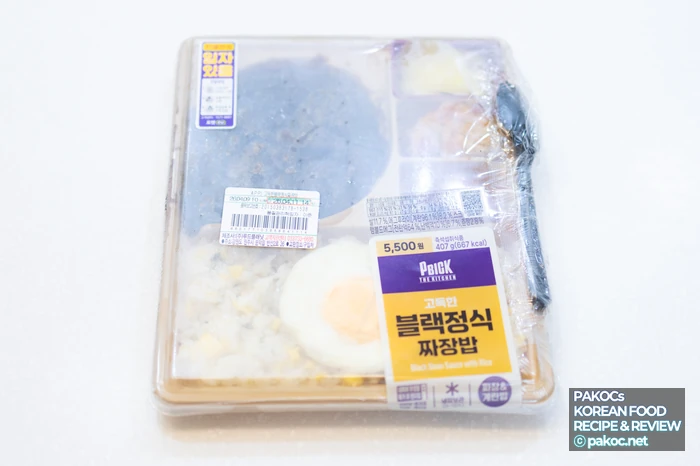
- Product: Solitary Black Jjajangbap (CU)
- Brand/Store: CU (PBICK fresh-food line, new menu)
- Price: 5,500 won
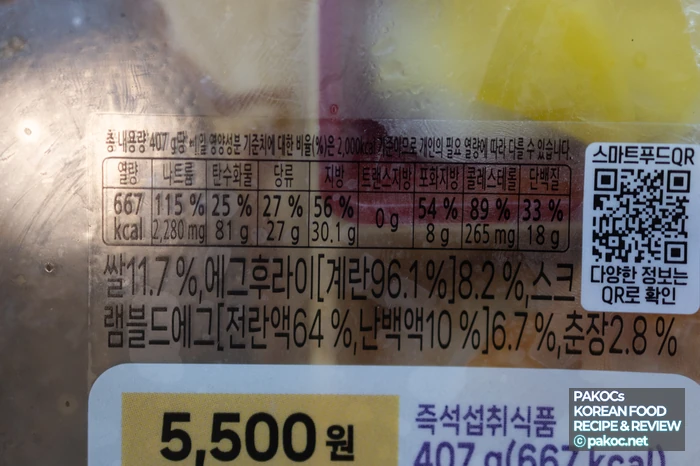
- Weight/Calories: 407 g / 667 kcal (115% of daily sodium)
- Main components: egg fried rice, fried egg, jjajang (black-bean) sauce, 3 sides (pickled radish and onion, dumpling with sweet-and-sour sauce, stir-fried kimchi)
- Verdict: ★4.0 — basic but consistently solid, plenty for a single lunch!
CU Solitary Black Jjajangbap Price and Features
Lately, as CU rolls out new lunchboxes, it has been turning a handful of big formats into templates — a two-tier box here, a single-item box built around one main dish there. Then it mixes and matches existing components in all sorts of ways. Today’s release, however, isn’t a reshuffle of old menus; it’s a genuinely new debut. There’s no special concept to speak of, yet the jjajangbap itself basically is the concept. The price comes to 5,500 won.
ⓒ
Copyright PAKOC https://pakoc.net | All Rights Reserved Pakoc(http://Pakoc.net)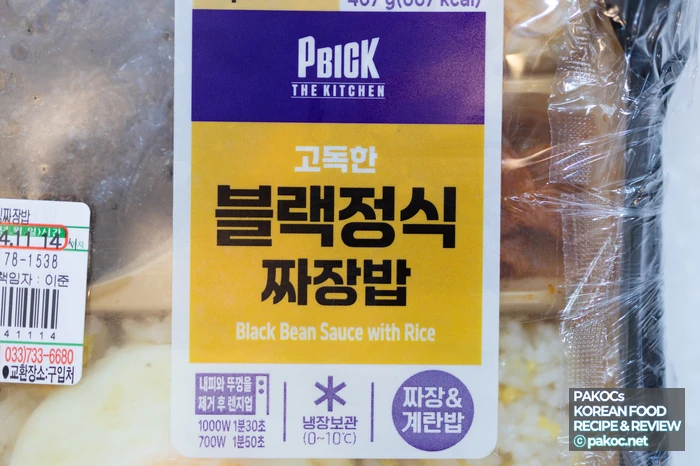
ⓒ
Copyright PAKOC https://pakoc.net | All Rights Reserved Pakoc(http://Pakoc.net)Weight, Calories, and Sodium
The whole box weighs 407 g, which is fairly hefty for a typical jjajangbap lunchbox. Even so, the calorie count lands at 667 kcal, not that high relative to the weight. That’s probably because the sides are nothing out of the ordinary for a jjajangbap setup. The sodium, on the other hand, hits 115% of the recommended daily amount, so that’s worth keeping in mind as you eat.
ⓒ
Copyright PAKOC https://pakoc.net | All Rights Reserved Pakoc(http://Pakoc.net)What’s Inside the Solitary Black Jjajangbap
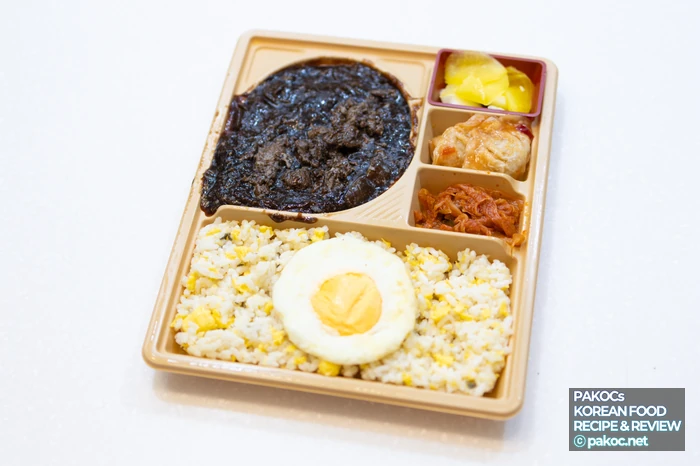
Let’s take a look at what’s inside. This box comes with three sides plus egg fried rice topped with a fried egg, and the jjajang sauce. There’s also a plastic spork tucked in. Since it’s a jjajangbap, they clearly included it so you can scoop everything up easily.
ⓒ
Copyright PAKOC https://pakoc.net | All Rights Reserved Pakoc(http://Pakoc.net)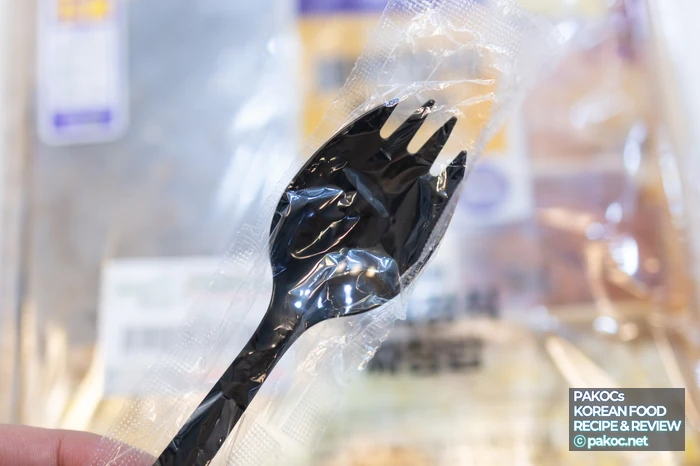
ⓒ
Copyright PAKOC https://pakoc.net | All Rights Reserved Pakoc(http://Pakoc.net)Egg Fried Rice and a Fried Egg
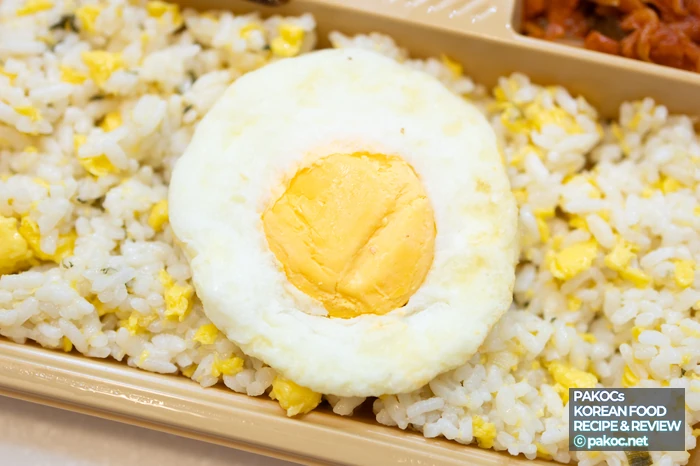
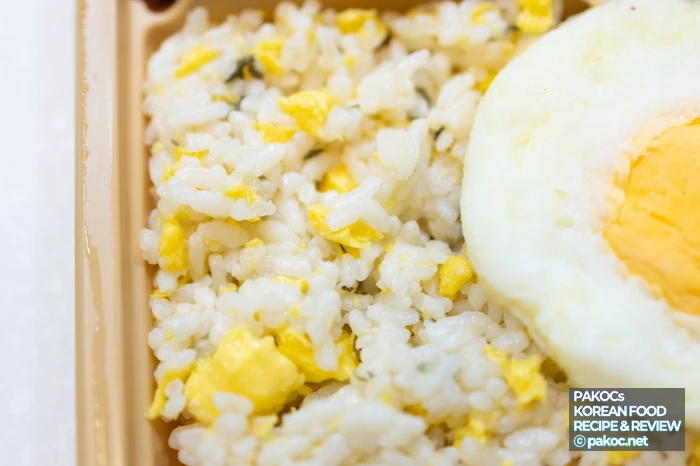
The egg fried rice, which is basically the main event, comes crowned with a fried egg. The egg didn’t look quite real, so I checked — it’s processed, sure, but there’s genuine egg in there. The scrambled egg mixed into the rice is a processed egg made from whole-egg and egg-white liquids. If anything counts as the standout detail here, this might be it.
ⓒ
Copyright PAKOC https://pakoc.net | All Rights Reserved Pakoc(http://Pakoc.net)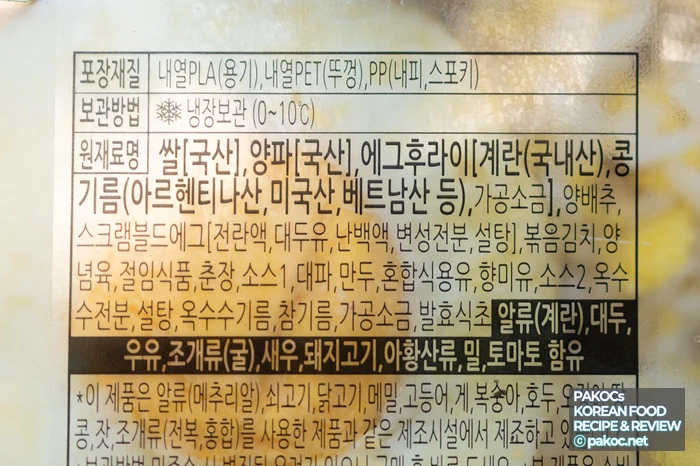
ⓒ
Copyright PAKOC https://pakoc.net | All Rights Reserved Pakoc(http://Pakoc.net)The Sides and a Generous Jjajang Sauce
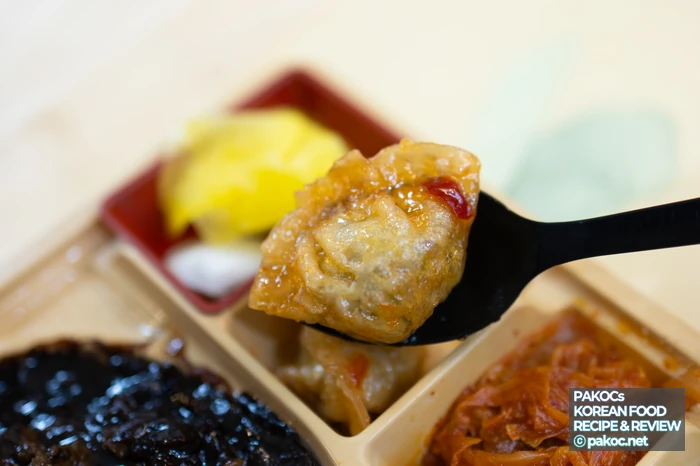
For sides to eat alongside the jjajangbap, you get danmuji (pickled radish) and onion, a dumpling topped with sweet-and-sour sauce, and some stir-fried kimchi. It’s not an especially fancy lineup, but these are exactly the kinds of things you’d picture with a Chinese-style lunchbox, and they go down well together. I doubt they’ll be divisive, either.
ⓒ
Copyright PAKOC https://pakoc.net | All Rights Reserved Pakoc(http://Pakoc.net)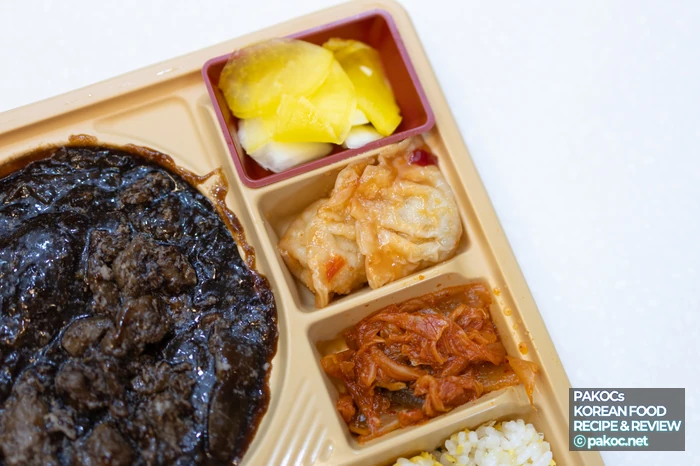
ⓒ

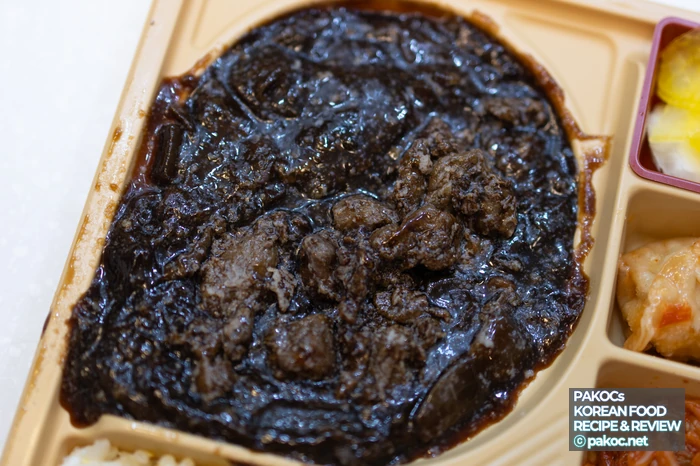
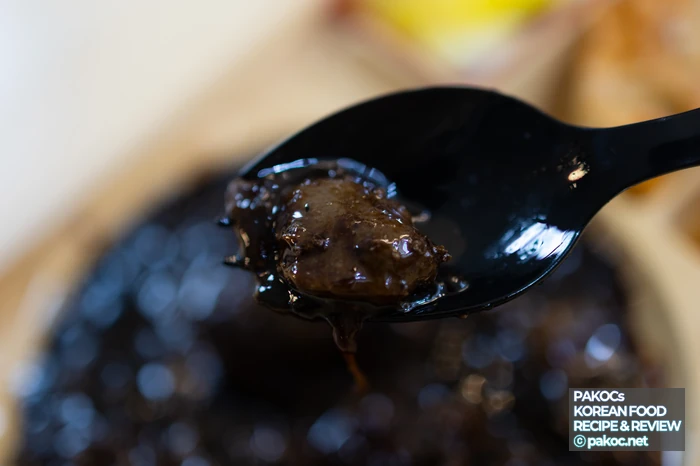
Copyright PAKOC https://pakoc.net | All Rights Reserved Pakoc(http://Pakoc.net)The jjajang sauce was more generous than I expected. There seems to be a fair bit of meat in it, too. The jjajang sauce you usually meet in convenience-store lunchboxes is packed with potato and onion, making the meat hard to taste. This one, however, clearly put some thought into the build, as you’d hope from a box at this price.
ⓒ
Copyright PAKOC https://pakoc.net | All Rights Reserved Pakoc(http://Pakoc.net)Overall, the fried rice does use processed egg, but it still folds in real egg and gets a fried egg on top. Add a meaty jjajang sauce and some easygoing sides, and you end up with a genuinely solid lineup. I’d wondered whether a convenience-store jjajangbap box could really cost 5,500 won, yet once you see the contents, the price makes sense.
ⓒ
Copyright PAKOC https://pakoc.net | All Rights Reserved Pakoc(http://Pakoc.net)How the Solitary Black Jjajangbap Tastes
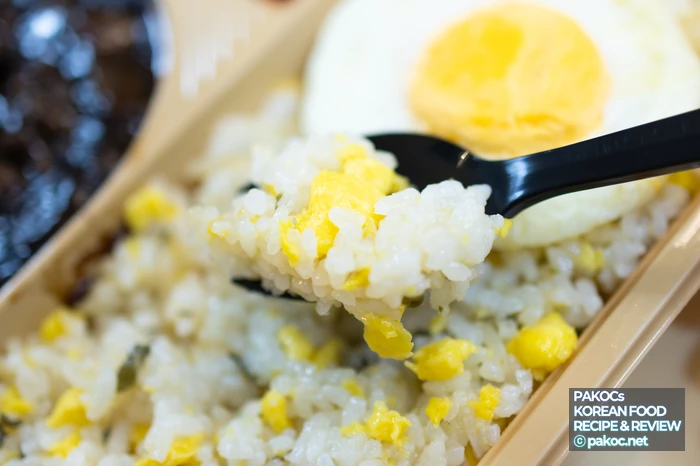

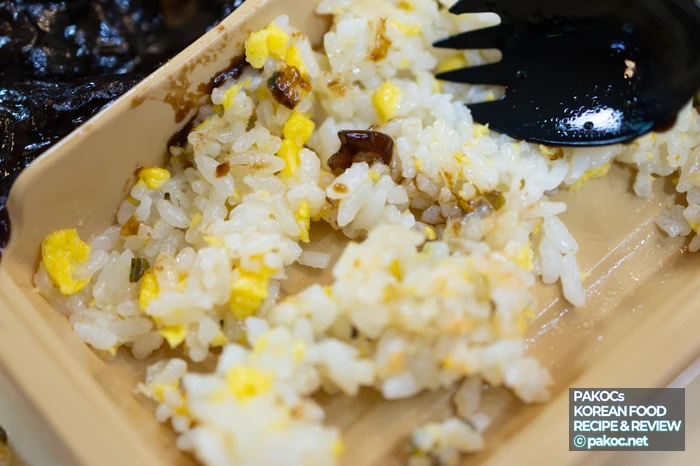
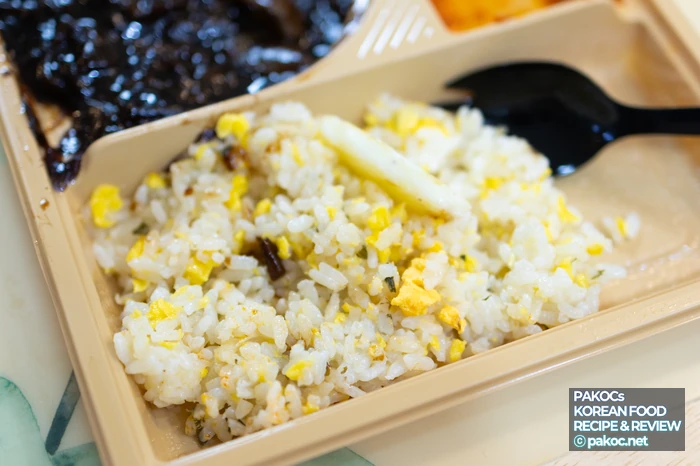
Now let’s dig in. Good build or not, the most basic question is whether the jjajang sauce tastes good. Before that, though, I tried the fried rice on its own first. Take a big spoonful and you can tell the rice itself carries a little seasoning.

ⓒ
Copyright PAKOC https://pakoc.net | All Rights Reserved Pakoc(http://Pakoc.net)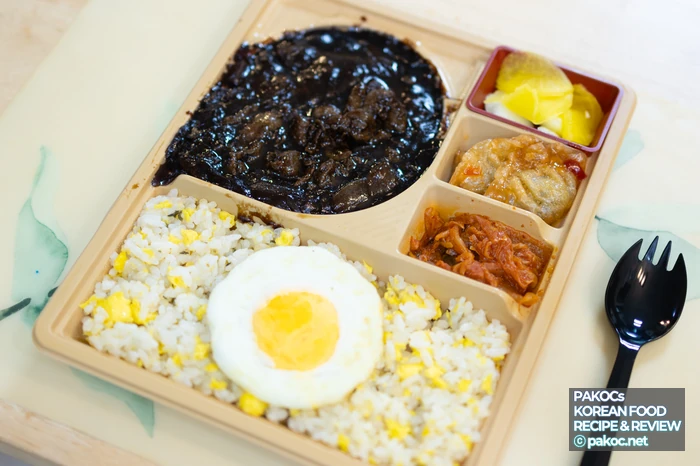
ⓒ
Copyright PAKOC https://pakoc.net | All Rights Reserved Pakoc(http://Pakoc.net)On its own, however, it doesn’t deliver any standout flavor. It’s essentially rice with a bit of vegetable and scrambled egg, lightly seasoned. That said, it makes a reliable base to eat with the other items. Come to think of it, any stronger seasoning here might have made it hard to finish.
ⓒ
Copyright PAKOC https://pakoc.net | All Rights Reserved Pakoc(http://Pakoc.net)Eating the Rice and Jjajang Together
Add a spoonful of jjajang sauce to a spoonful of rice, and the flavor is clearly pretty good. Compared with the slightly bitter chunjang (black-bean paste) note typical of retort-pouch jjajang, this leans closer to restaurant-style Chinese food — though, sure, a one-to-one comparison would be a stretch. The seasoning runs a touch strong, and there’s a faint sweetness layered in that adds to that impression.
ⓒ
Copyright PAKOC https://pakoc.net | All Rights Reserved Pakoc(http://Pakoc.net)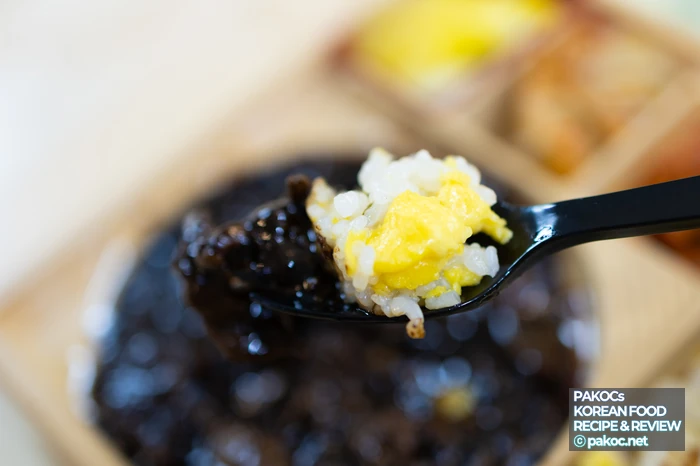
ⓒ
Copyright PAKOC https://pakoc.net | All Rights Reserved Pakoc(http://Pakoc.net)And as I mentioned, the jjajang sauce holds a fairly hearty amount of meat. Next to the budget convenience-store jjajangbap that mostly bulks up with potato and onion, this one stays surprisingly faithful to what “jjajangbap” should actually be.
ⓒ
Copyright PAKOC https://pakoc.net | All Rights Reserved Pakoc(http://Pakoc.net)The rest of the sides were perfectly fine too, and eating the egg and rice together with the jjajang sauce felt good. Above all, it’s a pretty basic build whose floor sits high, so the flavor holds up nicely.
ⓒ
Copyright PAKOC https://pakoc.net | All Rights Reserved Pakoc(http://Pakoc.net)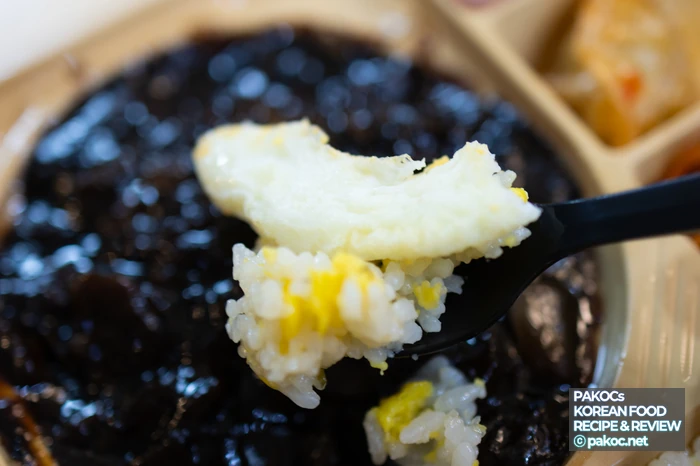
ⓒ
Copyright PAKOC https://pakoc.net | All Rights Reserved Pakoc(http://Pakoc.net)Final Verdict: Plenty for One Lunch
The portion is just right for a light lunch. It isn’t an overwhelming amount, so I cleaned out the whole box without feeling bloated or sick of it. Even people who struggle with the greasy aftertaste of fry-heavy lunchboxes should be able to enjoy this one just fine.
ⓒ
Copyright PAKOC https://pakoc.net | All Rights Reserved Pakoc(http://Pakoc.net)So what do you think? Personally, it ate really well and tasted good enough that I scraped the box clean. I’d happily recommend it to jjajangbap lovers and to anyone who wants to sort out lunch with a fuss-free convenience-store box. And if you’re traveling in Korea on a budget, it’s an easy, satisfying lunch to grab at any CU.
ⓒ
Copyright PAKOC https://pakoc.net | All Rights Reserved Pakoc(http://Pakoc.net)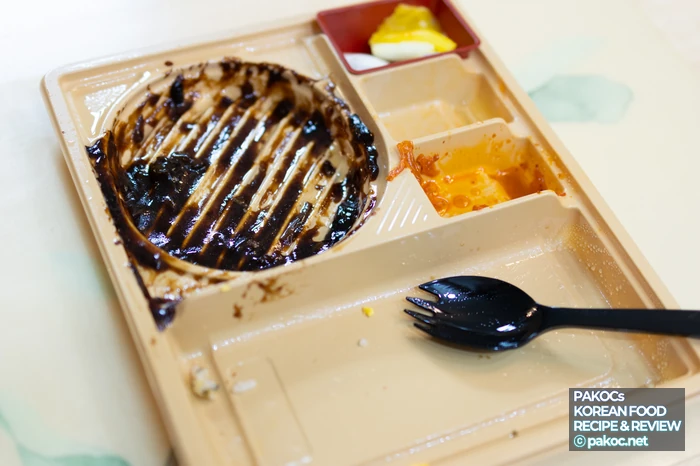
ⓒ
Copyright PAKOC https://pakoc.net | All Rights Reserved Pakoc(http://Pakoc.net)You can read more about CU’s full rebrand of its fresh-food line into Pbick in this (Korean source) ETNews report.
Frequently Asked Questions
Q. How much does the CU Solitary Black Jjajangbap cost?
It’s 5,500 won. That’s a little steep for a convenience-store jjajangbap, but with egg fried rice, a fried egg, a meaty jjajang sauce, and three sides, the price feels justified.
Q. How many calories are in it, and is it high in sodium?
The full 407 g box is 667 kcal, which is moderate for its size. The sodium, though, reaches 115% of the daily recommended amount. If you watch your salt, keep that in mind.
Q. Does it actually taste like real jjajangbap?
Closer than you’d expect from a convenience-store box. The sauce leans toward restaurant-style Chinese rather than the bitter retort-pouch note, and it carries a decent amount of meat. Mixed with the egg rice, it makes a satisfying meal.
image sources
- 혼밥 콘셉트 강화 제품: Copyright PAKOC https://pakoc.net | All Rights Reserved Pakoc(http://Pakoc.net)