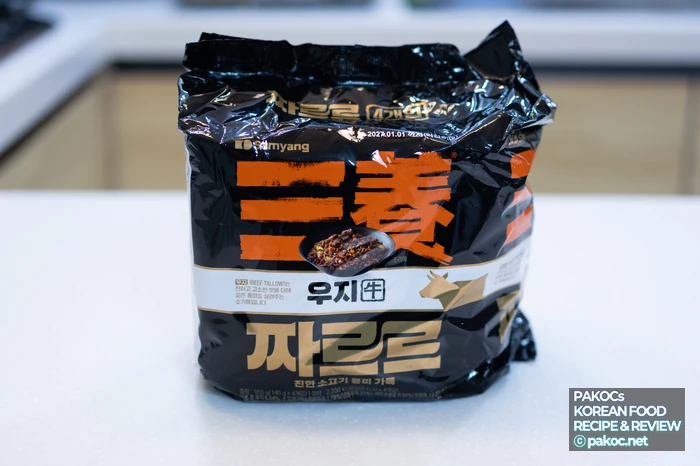
Hello! Today’s new ramen comes from Samyang, a brand that is genuinely serious about beef tallow (uji): the Samyang Jjareureu beef-tallow jjajang ramen. Much like the earlier Samyang 1963 ramen, this Jjareureu leans on tallow. Blending tallow into a jjajang ramen — which usually relies on a vegetable flavor oil — is a genuinely novel idea (though, to be fair, black bean noodles sometimes use pork fat too). It sells as a four-pack multi-pack for 5,300 won. The tallow-based Samyang ramen series must have landed well in the market, because this feels like Samyang widening that lineup into black bean noodles. So let’s dig into what it’s like.
📋 At a Glance
- Product: Samyang Jjareureu (beef-tallow jjajang ramen)
- Maker: Samyang Foods
- Price: 5,300 won (four-pack multi-pack)
- Weight: 140g (per single serving)
- Calories: 550 kcal (sodium 65% of daily value)
- Main components: Nutty tallow-fried noodles, a sweet-savory liquid sauce built on chunjang with beef and onion, plus big beef dice flakes
- Verdict: ★3.5 — Savory and easy to keep eating, but it may divide opinion if you prefer a heavier, thicker style.
Samyang Jjareureu: Price and Highlights
Back when Samyang first released a soup ramen with real beef tallow, it came with a fairly grand goal of “carrying on the heritage of classic Samyang ramen.” Somewhere along the way, tallow — once viewed negatively — seems to have picked up a faintly premium image, so it has now made its way into a jjajang ramen that has little to do with that heritage. Samyang had felt a step behind Chapagetti and Jjawang in the black bean noodle race. So how does this one stack up? The price is 5,300 won for one four-pack multi-pack.
ⓒ
Copyright PAKOC https://pakoc.net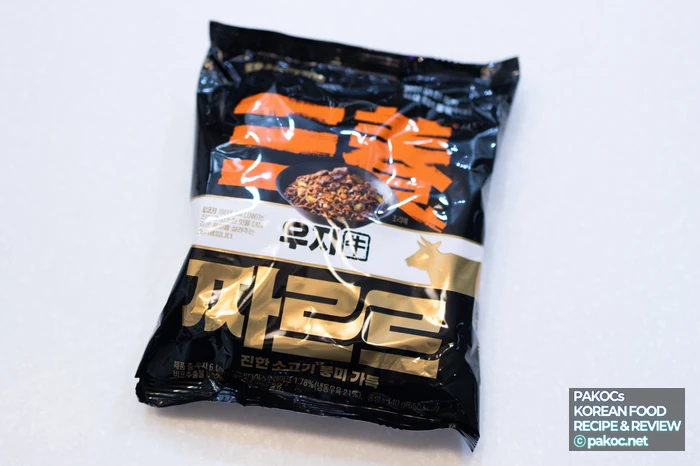
ⓒ
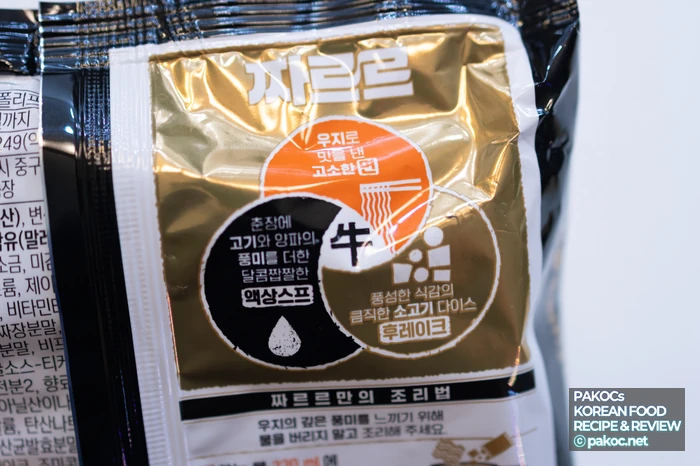
Copyright PAKOC https://pakoc.netLooking at the concept more closely, this jjajang ramen centers on three things: nutty noodles flavored with tallow, a sweet-savory liquid sauce that layers beef and onion over chunjang, and generous, big beef dice flakes. So it’s not just about the tallow — you can tell they leaned into the beef flavor as well, right?
ⓒ
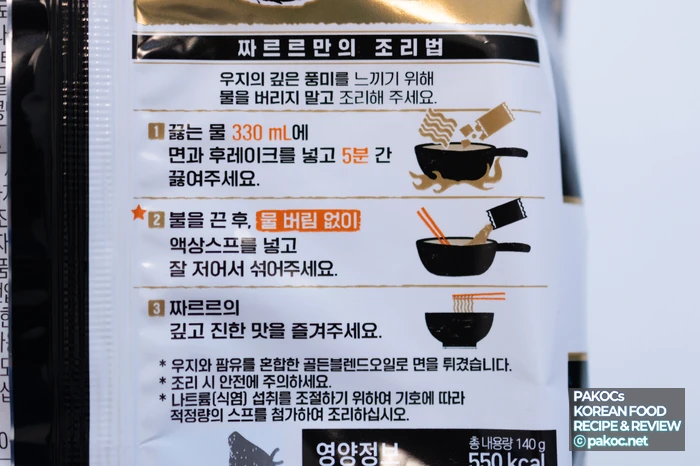
Copyright PAKOC https://pakoc.netThe cooking method is a little unusual. Instead of leaving a bit of water and pouring it off like most jjajang ramen, it’s the type where you add slightly less water, boil, and then stir the sauce straight in — much like Ottogi’s Jjasjulling. Compared with Jjasjulling’s 400ml per serving, this one calls for 330ml, a touch less. I’m cooking two servings, so around 500ml should be about right. The total serving size is 140g with 550 kcal per single pack, and sodium at 65% of the daily value — no real difference from comparable products.
ⓒ
Copyright PAKOC https://pakoc.net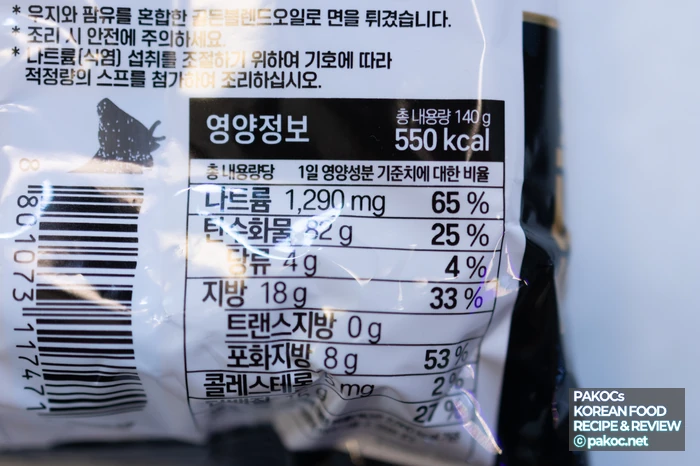
ⓒ
Copyright PAKOC https://pakoc.netComponents and Cooking
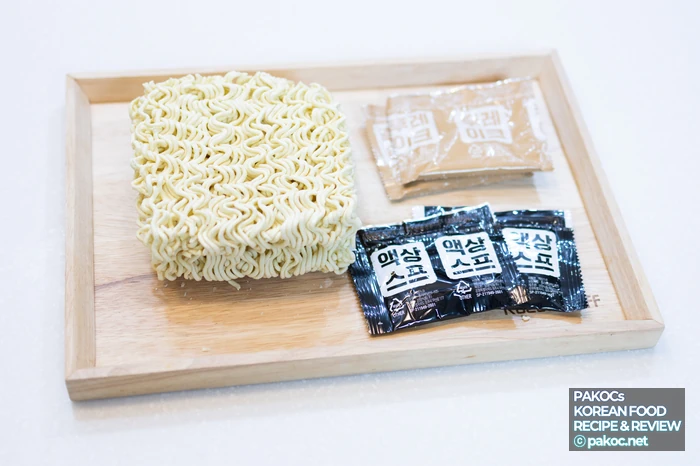
Let’s take a quick look at what’s inside before cooking. As the method above suggested, it’s made up of noodles, flakes, and a liquid sauce. The noodles are fried in Golden Blend Oil, a mix of beef tallow and palm oil. In thickness, they sit slightly thinner than typical jjajang ramen on the market, yet a bit thicker than a standard instant noodle.
ⓒ
Copyright PAKOC https://pakoc.net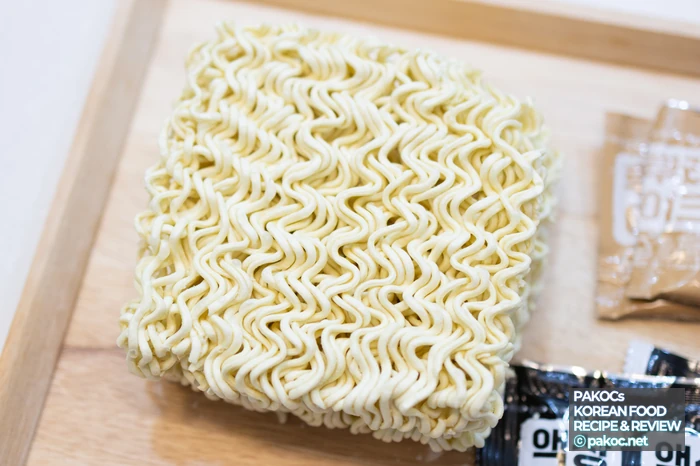
ⓒ
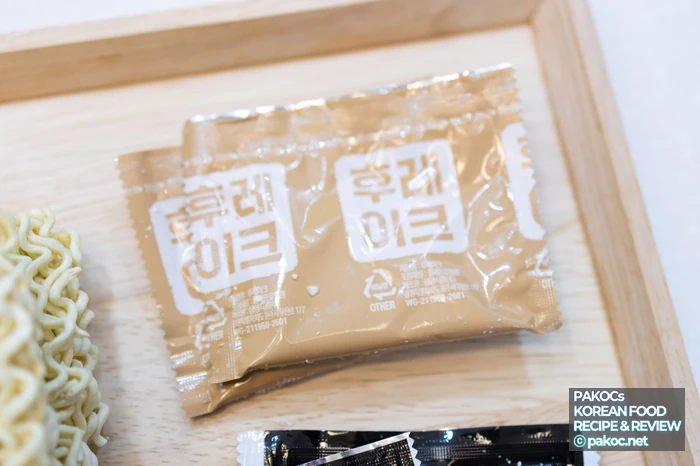
Copyright PAKOC https://pakoc.netThe flakes seem all-in on the beef concept: there are no vegetables at all, just soy-meat and beef flakes. Vegetables aren’t strictly required, and they don’t hugely shape the flavor, but their absence does feel a little monotonous. Still, in its own way, that might count as a slightly quirky point. Ha ha.
ⓒ
Copyright PAKOC https://pakoc.net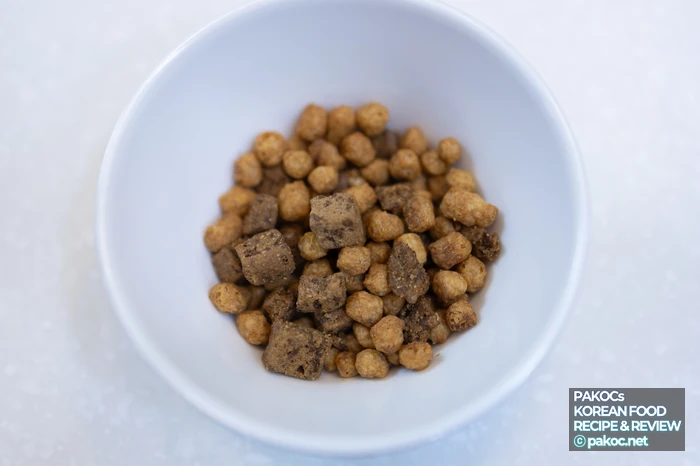
ⓒ
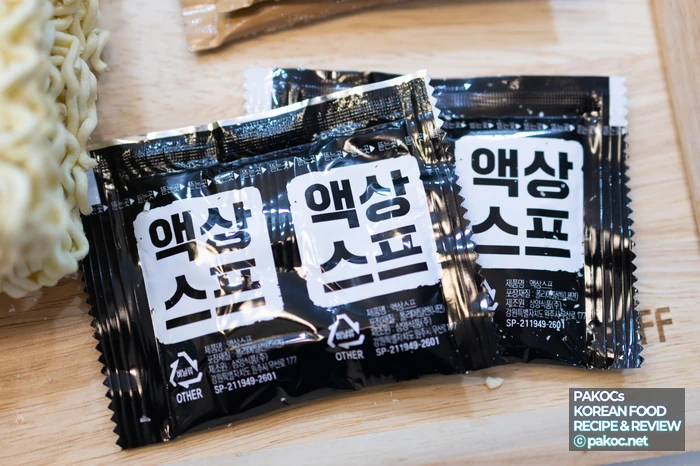
Copyright PAKOC https://pakoc.netThe sauce is a liquid type, and it too naturally contains beef extract. According to the ingredient list, it’s built on a jjajang base blended with onion, oyster sauce, and the like. Compared with the ramen I usually eat, it looks set to taste a touch sweeter and richer.
ⓒ
Copyright PAKOC https://pakoc.netThe Keep-the-Water Cooking Method

As noted earlier, the method is to use a little less water, add the noodles and flakes, boil for five minutes, then stir in the sauce. Since you can do it with the heat off, it wasn’t difficult at all. One serving calls for 330ml of water, but neither the official press materials nor the product page list a two-serving amount, so I measured out 500ml with a cup and cooked from there.
ⓒ
Copyright PAKOC https://pakoc.net
ⓒ

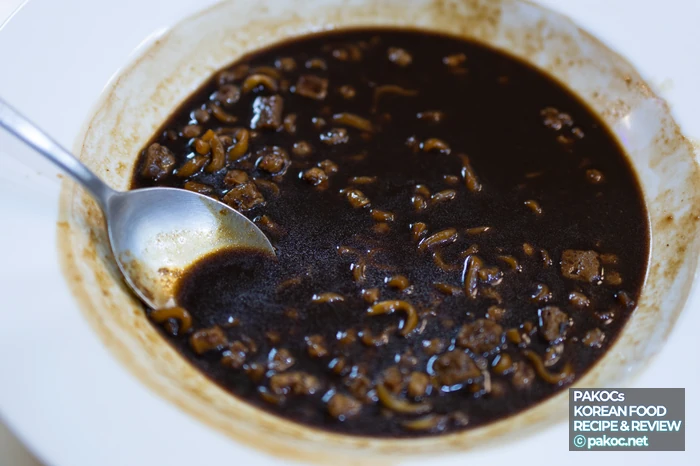
Copyright PAKOC https://pakoc.netHere’s how the finished dish looked. The broth seemed a bit plentiful, honestly. Having tasted it, I’d say you could dial the water back a little. Meanwhile, the noodles may soak up some of that liquid as they sit and soften.
ⓒ
Copyright PAKOC https://pakoc.net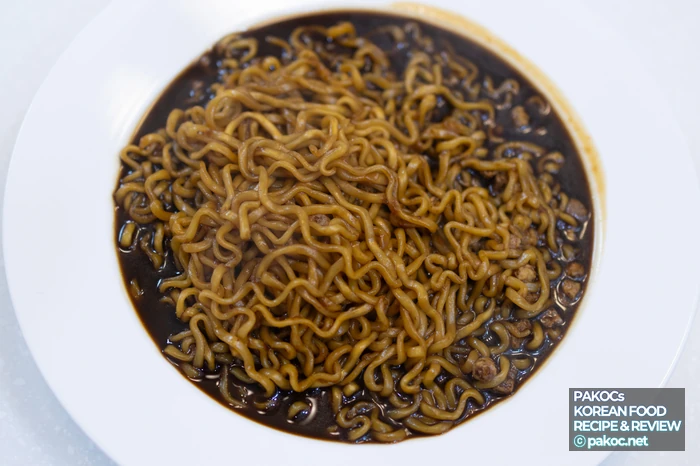
ⓒ
Copyright PAKOC https://pakoc.netSamyang Jjareureu: The Taste
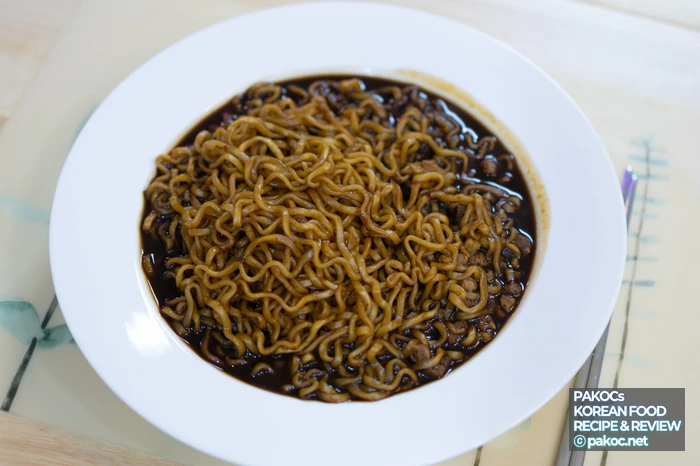
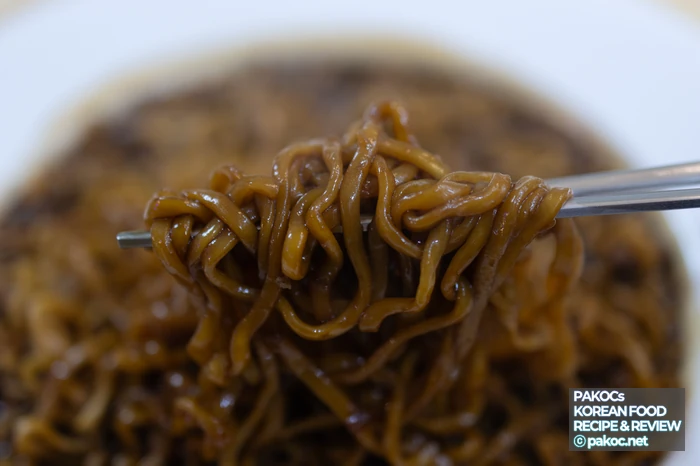
Now let’s dig right in. First, I grabbed a big chopstickful and tried it straight away. It’s not that the tallow-fried noodles taste dramatically different — rather, compared with the usual type where you toss powder sauce and flavor oil together, there was a slightly distinct feel to it.
ⓒ
Copyright PAKOC https://pakoc.net
ⓒ
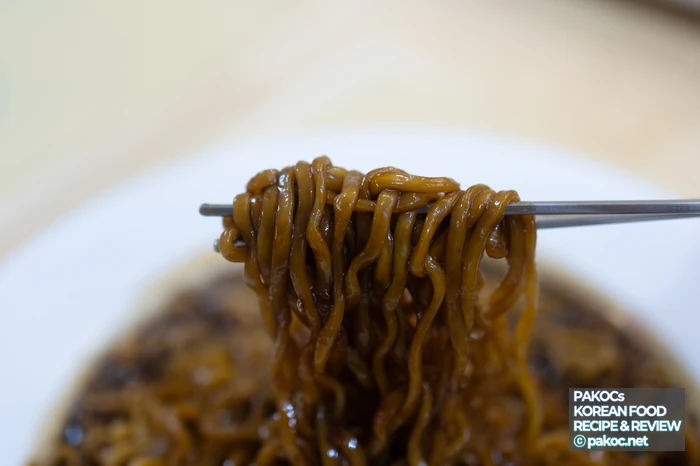
Copyright PAKOC https://pakoc.netTo start, rather than the bittersweet edge typical of jjajang ramen, there was a clingy, moreish umami. The sweetness lands at about the same level, yet the flavor is distinctive enough that you probably won’t tire of it easily. That said, it isn’t a “wow, this is totally different” moment, so as you keep eating you’ll notice plenty of familiar notes too. Ha ha.
ⓒ
Copyright PAKOC https://pakoc.netCloser to Jjajang Soup Than a Thick Coat
Overall, instead of a thick, clinging coat, it reads a little more like jjajang soup. Because the noodles are fried in tallow, the very water they cook in is part of the point, so not pouring it off makes sense. Still, since you stir the sauce in with the heat off rather than actually pan-frying, that dramatic thickness doesn’t really come through.
ⓒ
Copyright PAKOC https://pakoc.net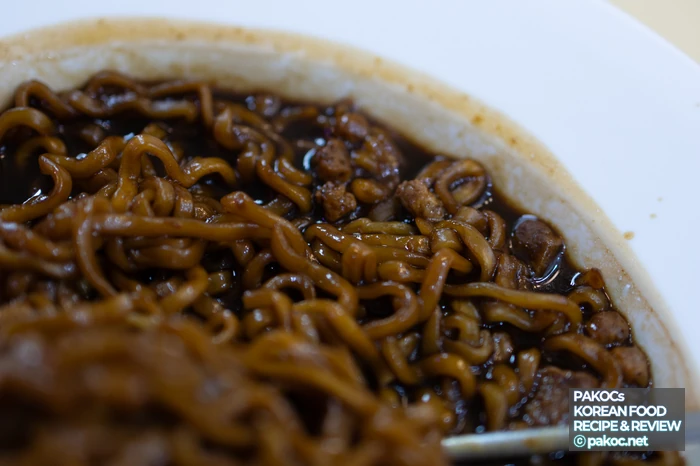
ⓒ
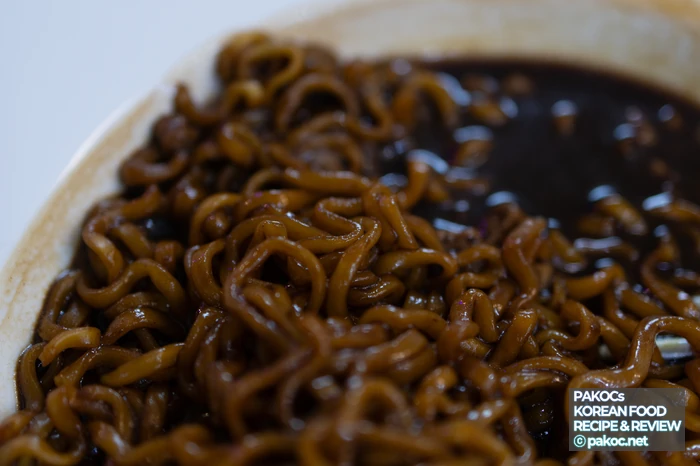
Copyright PAKOC https://pakoc.netThis is just my take, but when I cooked two servings with 500ml, it felt a touch lighter than the pour-off-and-toss type or the add-a-little-water-and-fry type. That lightness does help keep it from getting old, yet depending on your taste, cooking with a bit less water is another good option. Do note, though, that going that route makes it noticeably saltier.
ⓒ
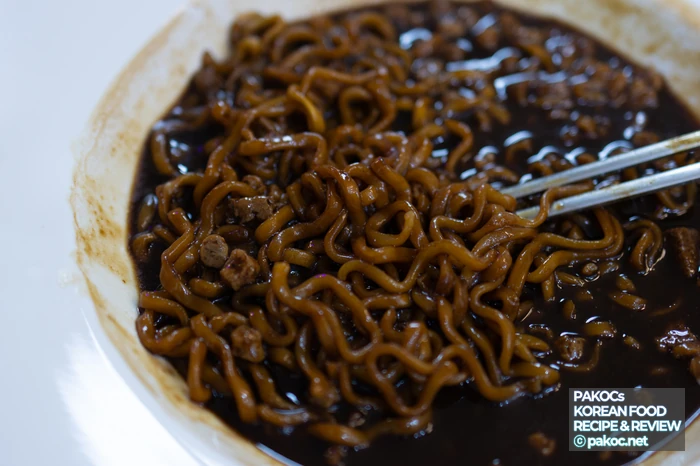
Copyright PAKOC https://pakoc.netThat said, the way the noodles that settle at the bottom later soak up the broth does give a slightly different feel. For this one, rather than a wide, shallow bowl, a deeper bowl that lets the noodles bathe evenly — or eating it straight from the cooking pot — is one way to go. Alternatively, giving it a very light extra stir-fry works well too. And spooning up the bits that settle at the bottom is surprisingly nice.
ⓒ
Copyright PAKOC https://pakoc.net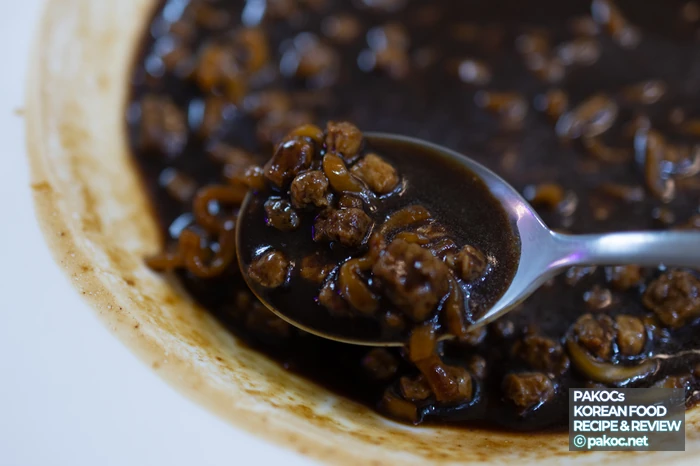
ⓒ
Copyright PAKOC https://pakoc.netFinal Verdict
Sometimes a menu leans so hard into a quirky concept that it ends up feeling too alien. This one, though, applies tallow and an unusual cooking method while still not straying far from familiar options — and yet it has character. That said, it does run a little different in grain from the dishes we typically picture, so fans of a heavier, richer style may find themselves split. Even so, the fundamentals are there, so tweaking it to your own taste is well worth a try. For readers outside Korea, this is a fun one to seek out if you want to taste how Korean brands are reinventing black bean noodles.
ⓒ
Copyright PAKOC https://pakoc.netFor more on how Samyang has grown once-maligned beef tallow into a premium brand asset and expanded it into this jjajang ramen, you can read the (Korean source) Hankook Ilbo report on the Samyang Jjareureu launch.
Frequently Asked Questions
Q. How much is Samyang Jjareureu?
It’s 5,300 won for one four-pack multi-pack. Each single serving is 140g with 550 kcal and sodium at 65% of the daily value.
Q. What kind of ramen is it?
Think of a premium beef-tallow jjajang ramen from Samyang: nutty tallow-fried noodles paired with a sweet-savory liquid sauce of chunjang, onion, and beef. It includes big beef dice flakes, with no separate vegetable bits.
Q. How does it actually taste?
Rather than the usual bittersweet jjajang edge, it leads with a clingy umami that keeps you eating. It isn’t dramatically different, though, and runs a touch light — so if you like a richer style, cook it with slightly less water.
image sources
- 로스팅 공법 짜장스프 구성: Copyright PAKOC https://pakoc.net
- 춘장 양파 고온 볶음 맛: Copyright PAKOC https://pakoc.net
- 삼양 우지 헤리티지 확장: Copyright PAKOC https://pakoc.net
- 프리미엄 짜장라면 소비자 선호: Copyright PAKOC https://pakoc.net
- 진한 짜장 맛 특징: Copyright PAKOC https://pakoc.net
- 고소한 우지 풍미 강조: Copyright PAKOC https://pakoc.net
- 소스 면수 조리법 효과: Copyright PAKOC https://pakoc.net
- 프리미엄 라면 시장 전략: Copyright PAKOC https://pakoc.net
- 면발 특징 우지 튀김: Copyright PAKOC https://pakoc.net
- 진하고 묵직한 짜장 맛: Copyright PAKOC https://pakoc.net
- 우지 짜장 라면 판매 시작: Copyright PAKOC https://pakoc.net
- 소스 우지 풍미 강조: Copyright PAKOC https://pakoc.net
- 묵직한 짜장 소스 구성: Copyright PAKOC https://pakoc.net
- 고소한 우지 면발 특징: Copyright PAKOC https://pakoc.net
- 프리미엄 신제품 소비자 반응: Copyright PAKOC https://pakoc.net
- 라면 리뷰 소비자 관심: Copyright PAKOC https://pakoc.net
- 우지 짜장라면 출시 소식: Copyright PAKOC https://pakoc.net
- 짧은 조리시간 편리함: Copyright PAKOC https://pakoc.net
- 감칠맛 짜장 스프 비법: Copyright PAKOC https://pakoc.net
- 고온 볶음 짜장 양파 특징: Copyright PAKOC https://pakoc.net
- 우지 헤리티지 소비자 관심: Copyright PAKOC https://pakoc.net
- 프리미엄 짜장 라면 소비자 리뷰: Copyright PAKOC https://pakoc.net
- 후속작 우지 짜장 시장 전략: Copyright PAKOC https://pakoc.net