Hello! Today’s new instant food from Seven-Eleven is the Hu Deok-juk Korean-Rice Crab Nurungji, made in collaboration with Chef Hu Deok-juk. Seven-Eleven’s collaborations with Chef Hu Deok-juk have gone beyond lunchboxes and gimbap, and now reach into instant foods too. Surprisingly, keeping this Chinese-style collaboration going for quite a while seems to be doing better than expected. Haha. Since this menu, too, carries a master chef’s name, it came out reasonably solid. So let’s take a look at what it’s like.
📋 At a Glance
- Product: Hu Deok-juk Korean-Rice Crab Nurungji
- Store: Seven-Eleven (Chef Hu Deok-juk collaboration)
- Price: 3,700 won (approx. $2.70 USD, on a 2-plus-1 promotion)
- Weight: 62g
- Calories: 235 kcal (sodium 32% of daily value)
- Main components: Korean-rice nurungji flakes, freeze-dried crab block, crab and crab extract
- Verdict: ★4.0 — A light Chinese-style nurungji porridge with good crab savoriness and reproduction; just light as a full meal.
Hu Deok-juk Korean-Rice Crab Nurungji: Price and Highlights
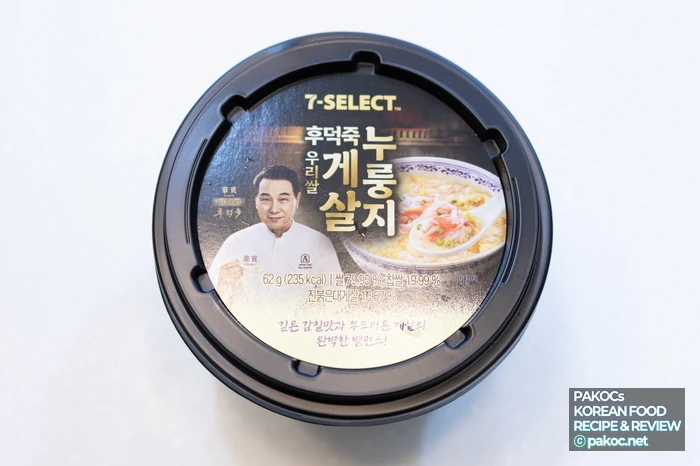
I had a memory of eating something similar before, so I looked it up: GS25 had a seafood nurungji by Chef Cho Kwang-ho as a collaboration with the Netflix cooking show Culinary Class Wars, and Emart24 had a nurungji seolleongtang noodle (huh?!). Seven-Eleven did release a seafood nurungji around 2021, but I never got to try it. This time, they went all in and developed a Chinese-style crab nurungji instant food in collaboration with Chef Hu Deok-juk. Let’s check the price. The base price is 3,700 won, and it’s on a 2-plus-1 event, so you can buy it a bit cheaper.
ⓒ
Copyright PAKOC https://pakoc.net | All Rights Reserved Pakoc(http://Pakoc.net)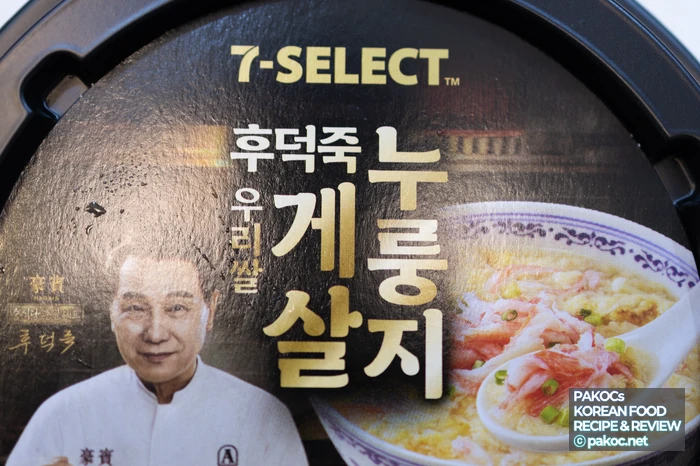
ⓒ
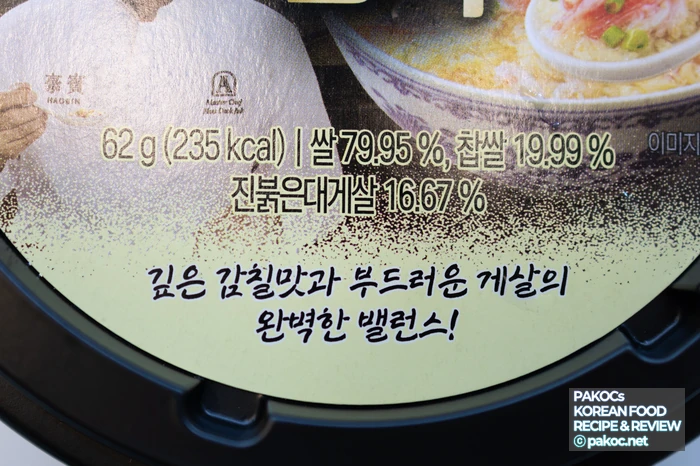
Copyright PAKOC https://pakoc.net | All Rights Reserved Pakoc(http://Pakoc.net)This menu launched with the concept of a perfect balance between deep savory flavor and tender crab. It seems some real crab meat is included too, if only partly. Haha. The total volume is 62g, so it’s a fairly light menu, and the calories are 235 kcal — light, as you’d expect from a nurungji soup. Sodium is at 32% of the daily value, too. Judging from the ingredient list, which includes crab and crab extract, the savory depth should be pretty good.
ⓒ
Copyright PAKOC https://pakoc.net | All Rights Reserved Pakoc(http://Pakoc.net)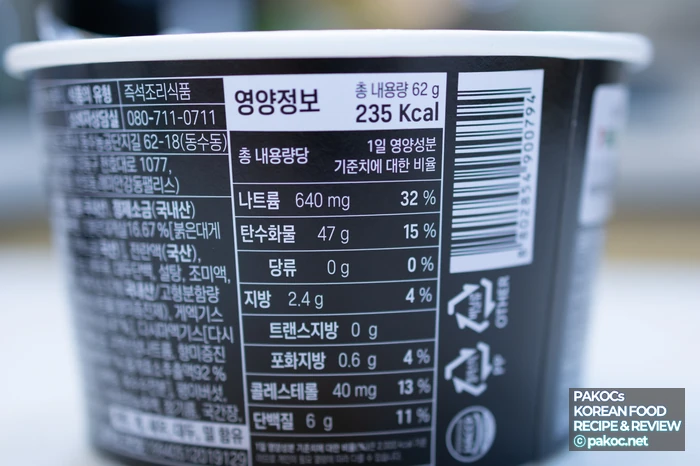
ⓒ
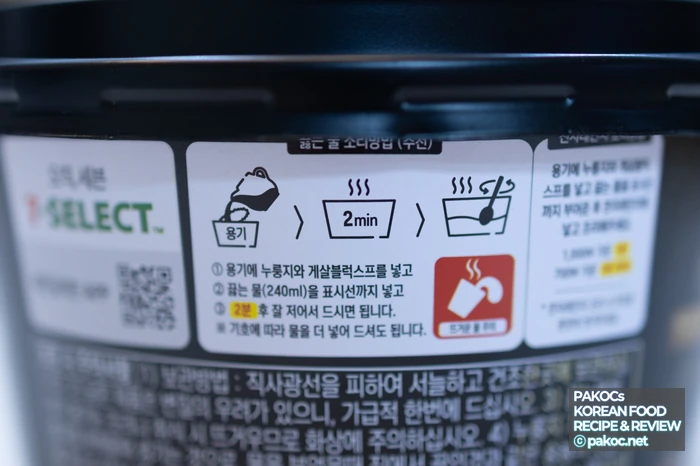
Copyright PAKOC https://pakoc.net | All Rights Reserved Pakoc(http://Pakoc.net)There are two cooking methods — boiling water and microwave — but surprisingly, the recommended one is to cook it with just boiling water. You put the nurungji and the crab-block soup in the container, pour in boiling water, and after 2 minutes give it a good stir and eat. That’s all.
ⓒ
Copyright PAKOC https://pakoc.net | All Rights Reserved Pakoc(http://Pakoc.net)Contents and Cooking
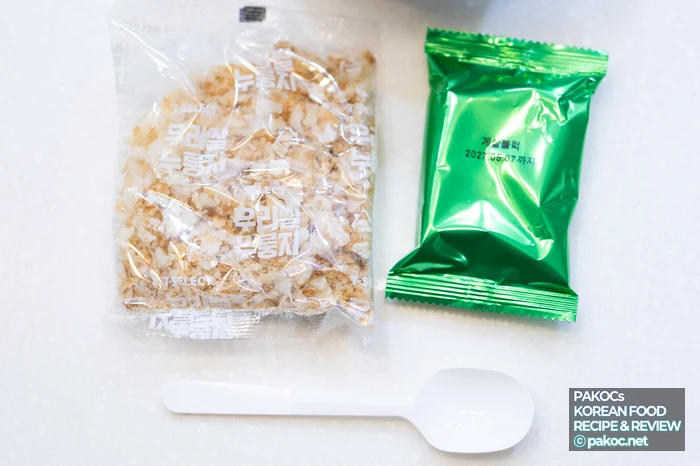
Let’s check the makeup of this menu. The contents are simple — just two parts: nurungji flakes and a crab block. Since it’s a porridge menu, a spoon comes with it by default. That said, the size is a bit of a letdown. Haha.
ⓒ
Copyright PAKOC https://pakoc.net | All Rights Reserved Pakoc(http://Pakoc.net)Nurungji Flakes and a Crab Block
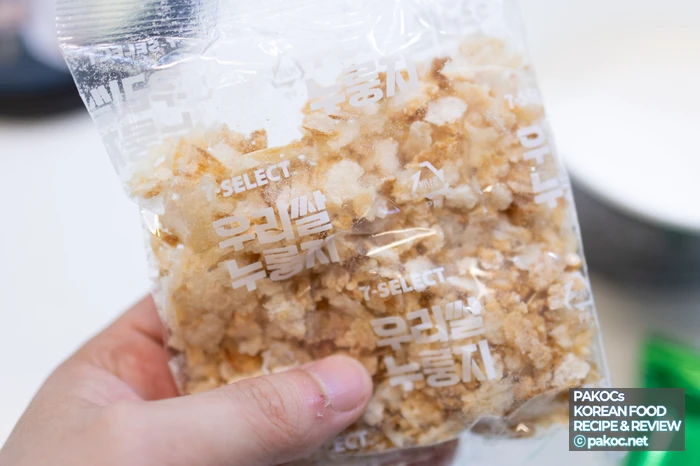
The nurungji looks a little small in quantity, but like other nurungji menus, once you soak it in water it should expand quite a bit. The crab block is fairly thick, too. Of course, since it’s ultimately a soup close to a porridge, it’s quietly on the light side.
ⓒ
Copyright PAKOC https://pakoc.net | All Rights Reserved Pakoc(http://Pakoc.net)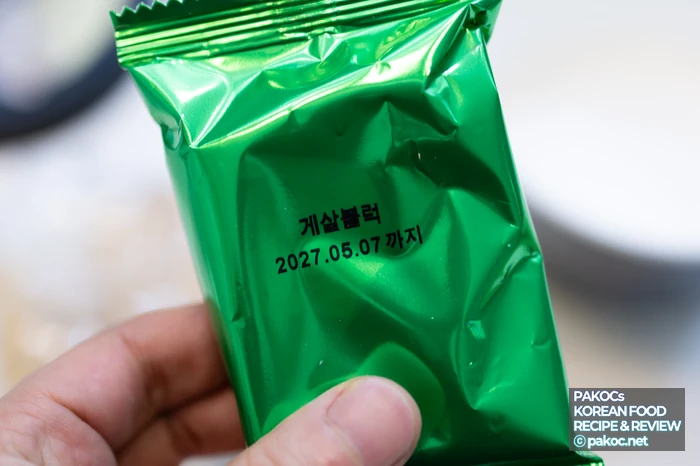
ⓒ

Copyright PAKOC https://pakoc.net | All Rights Reserved Pakoc(http://Pakoc.net)Now let’s cook it. First, put the nurungji flakes and the crab block in the container, then pour boiling water up to the marked line. I put the separate cover on, and after 2 minutes gave the softened nurungji a good stir. When I cooked it, it seemed to loosen up fairly well. Since you pour boiling water directly, and room temperature varies by season, it may be worth cooking it a bit longer depending on how it looks.
ⓒ
Copyright PAKOC https://pakoc.net | All Rights Reserved Pakoc(http://Pakoc.net)
ⓒ
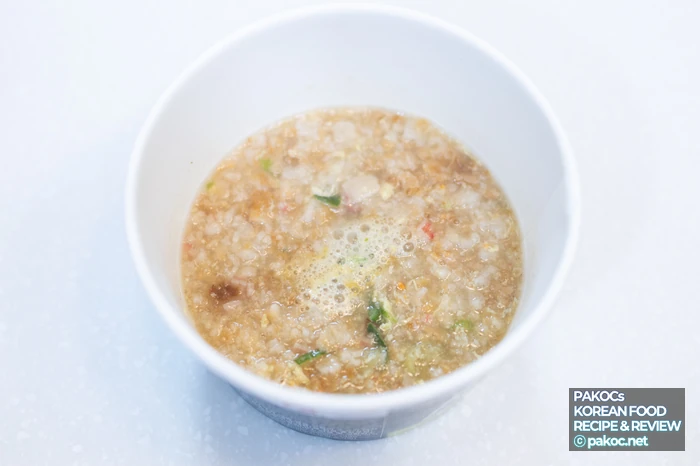
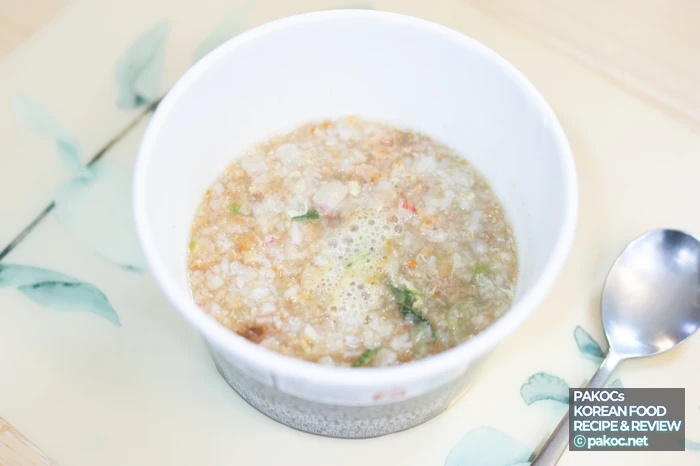
Copyright PAKOC https://pakoc.net | All Rights Reserved Pakoc(http://Pakoc.net)Here’s how it looks once done. The crab block and nurungji come together quietly well, don’t they? Haha. The base ingredient amount was a touch small, but since it’s a porridge style — a menu where you scrape up every bit of the broth — the amount once finished doesn’t seem like much of a problem. Haha.
ⓒ
Copyright PAKOC https://pakoc.net | All Rights Reserved Pakoc(http://Pakoc.net)Hu Deok-juk Crab Nurungji: The Taste
Now let’s dig right in. There is a spoon included by default, but it’s about the size of a Baskin-Robbins ice-cream spoon — a bit bigger than a yogurt spoon — so I’ll just use a regular rice spoon instead. Haha.
ⓒ
Copyright PAKOC https://pakoc.net | All Rights Reserved Pakoc(http://Pakoc.net)Nurungji Texture and Crab Savoriness
Taking a big spoonful, the nurungji and crab block had loosened up quietly well, so they didn’t feel hard. Still, since it’s a nurungji style rather than an ordinary porridge, there was a slightly toothsome texture. Haha. The overall taste was that of a crab soup where the crab aroma comes through quietly well.

ⓒ
Copyright PAKOC https://pakoc.net | All Rights Reserved Pakoc(http://Pakoc.net)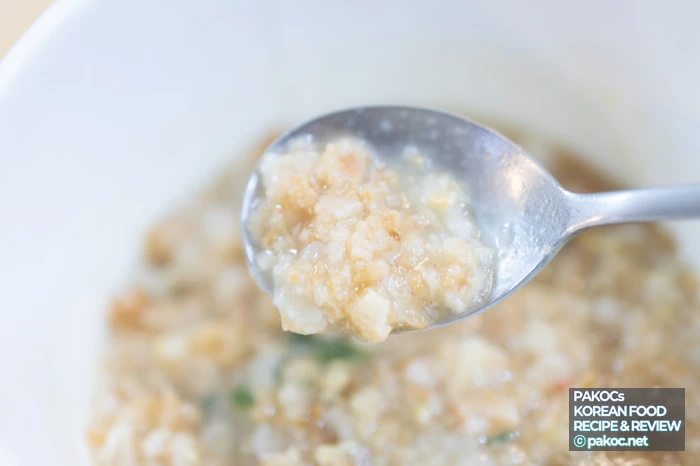
ⓒ
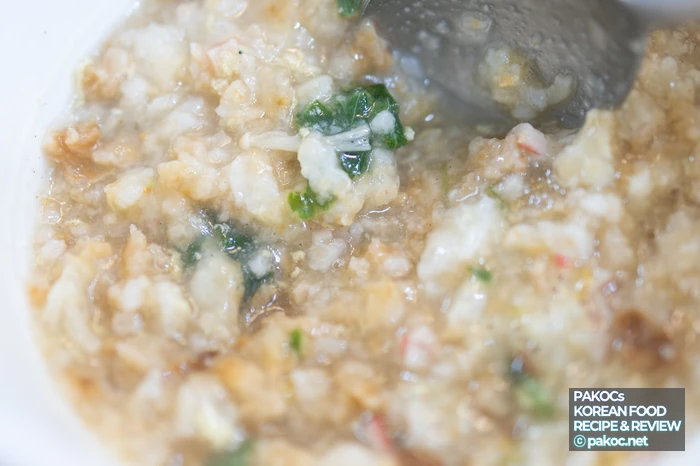
Copyright PAKOC https://pakoc.net | All Rights Reserved Pakoc(http://Pakoc.net)Given the price, I didn’t have high expectations, but the crab block was better than I thought. Of course, it doesn’t have the big pieces of crab or the other side ingredients you’d get at a Chinese restaurant, but it seemed plenty good for whipping something up quickly at home.
ⓒ
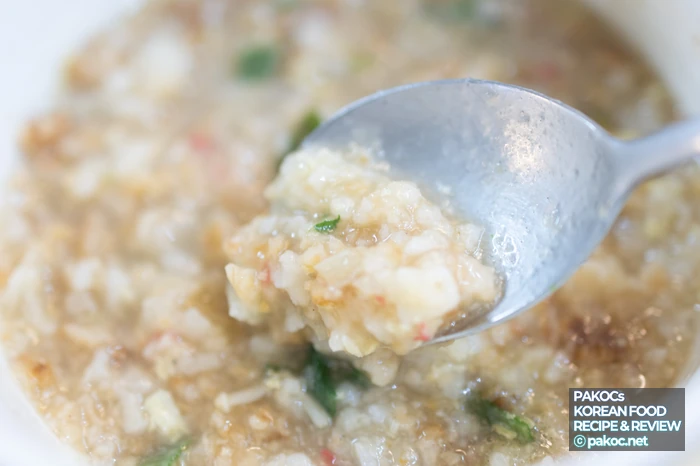
Copyright PAKOC https://pakoc.net | All Rights Reserved Pakoc(http://Pakoc.net)The savory depth was quietly decent too, and being a crab-soup menu, the base calories were quite light — but eaten on an empty stomach, it did give a warm, filling feeling. Of course, eating just this may fall a little short as a meal replacement, but if you think of it as a broth dish with generous bits, it makes a fairly solid choice.
ⓒ
Copyright PAKOC https://pakoc.net | All Rights Reserved Pakoc(http://Pakoc.net)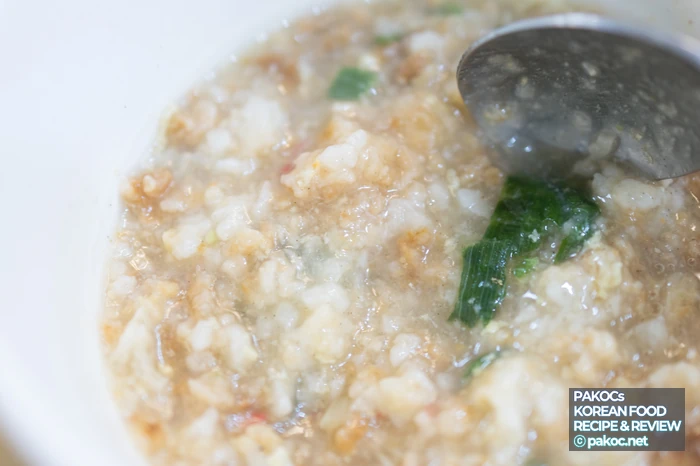
ⓒ
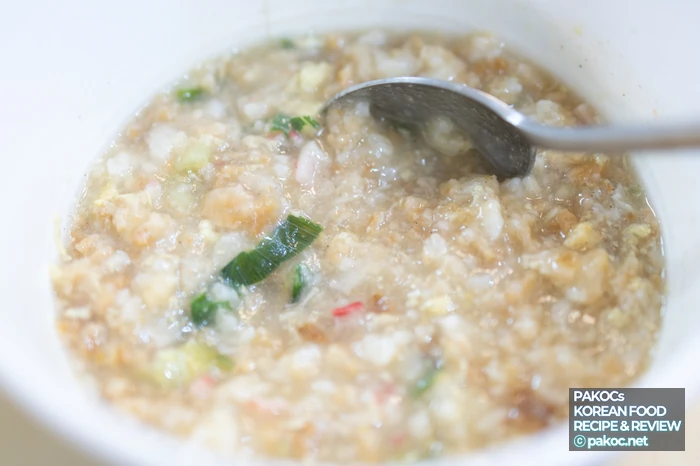
Copyright PAKOC https://pakoc.net | All Rights Reserved Pakoc(http://Pakoc.net)At home, I sometimes make something like a crab soup by adding imitation crab, crab extract, and rice, then swirling in an egg — and even by that measure, the completeness and reproduction were quite excellent. Since the ingredients are block-type it can feel a touch plain, but if needed, tossing in a few crab sticks would be nice. Haha. It’s a style that focuses on the broth flavor and the details of the nurungji without other tricks, so it’s a quietly good menu.
ⓒ
Copyright PAKOC https://pakoc.net | All Rights Reserved Pakoc(http://Pakoc.net)Final Verdict
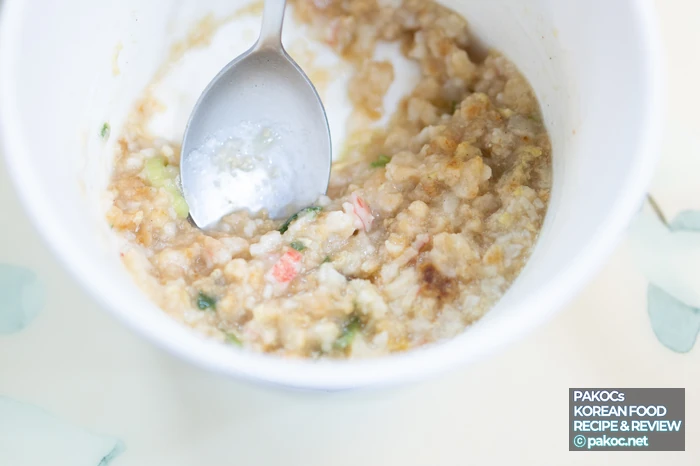
It was a quietly good-value menu! I’d even be up for buying it once more if I get the chance. Haha. That said, maybe because of the menu style, eating it slowly as it cooled meant the nurungji swelled quickly and got a bit thick — a very minor issue. It was also tasty enough to eat with other extra ingredients added. If you’re curious, it’s a menu I’d recommend trying at least once. For readers abroad, it’s an easy way to try a Michelin-chef-designed Chinese-style crab nurungji from a convenience store.
ⓒ
Copyright PAKOC https://pakoc.net | All Rights Reserved Pakoc(http://Pakoc.net)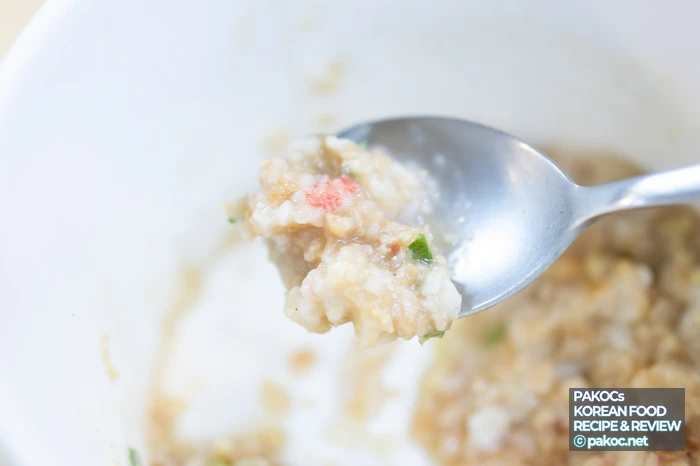
ⓒ
Copyright PAKOC https://pakoc.net | All Rights Reserved Pakoc(http://Pakoc.net)For more on Seven-Eleven’s Chinese-style collaboration lineup with Michelin-starred Chef Hu Deok-juk — now expanding beyond lunchboxes and gimbap into instant foods — you can read the (Korean source) Electronic Times (ET News) report.
Frequently Asked Questions
Q. How much is Seven-Eleven’s Hu Deok-juk Korean-Rice Crab Nurungji?
It’s 3,700 won. It’s currently on a 2-plus-1 promotion, so you can get it cheaper, and it’s light at 62g and 235 kcal.
Q. What kind of menu is the Hu Deok-juk Crab Nurungji?
It’s an instant crab nurungji (crab-meat scorched-rice soup) in a Chinese style, made in collaboration with Chef Hu Deok-juk. It’s built from Korean-rice nurungji flakes and a freeze-dried crab block, and it’s ready in 2 minutes with just boiling water.
Q. How does the Hu Deok-juk Crab Nurungji taste?
It tastes like a crab soup with a quietly nice crab aroma and savory depth. There’s a slight toothsome nurungji texture, and for the price the crab block and the reproduction are quite impressive.
Q. Is the Hu Deok-juk Crab Nurungji worth trying?
Yes, it’s recommendable as a light, warming broth dish. It may fall a little short as a full meal on its own, but adding some crab sticks boosts the savory depth, and the value is good.
image sources
- 게살 누룽지 코드 메뉴: Copyright PAKOC https://pakoc.net | All Rights Reserved Pakoc(http://Pakoc.net)