Hello! Today’s recipe is Mala Palbochae. It’s a slightly simplified take on the palbochae you’d get at a Chinese restaurant, yet easy to pull off at home. Add a touch of mala sauce and it completely transforms what can otherwise taste a little plain when made at home. Even kids who usually shy away from seafood dishes can enjoy it, since it eats a lot like mala xiangguo. Between the numbing, addictive flavor and the beginner-friendly method, it’s a joy to make at home. So shall we take a look at the recipe?
📋 At a Glance
- Dish: Mala Palbochae
- Category: Chinese stir-fry (homemade)
- Serves: 3–4
- Main ingredients: frozen seafood mix (squid, shrimp, fish balls), bok choy, enoki, shiitake, mung bean sprouts, red chili, garlic, dried tofu skin, wood ear mushroom
- Key sauces: mala sauce, doubanjiang, oyster sauce, soy sauce, cooking wine, sesame oil
- Equipment: a large wok
- Time: 30 min prep + 25 min cook
- Difficulty: Easy
- Tips: drain the seafood thoroughly, stir-fry over high heat to cook off moisture, and use only 70–80% of the starch slurry!
Mala Palbochae Ingredients
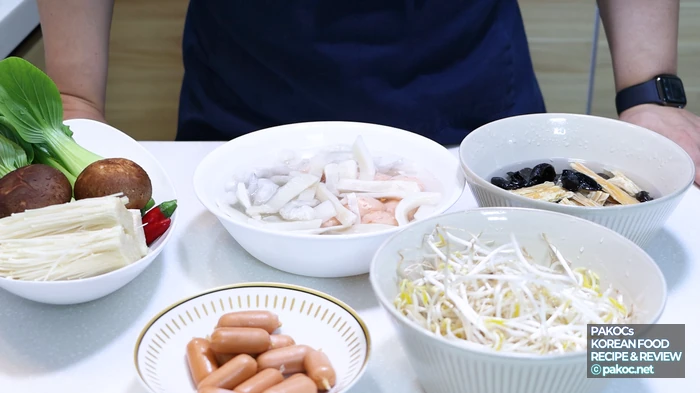
At its core, this recipe stir-fries a frozen seafood mix and various add-ins with mala sauce and doubanjiang, then finishes with a starch slurry for that thick, palbochae-style texture. Think of it as the basic palbochae ingredients plus a few mala xiangguo add-ins, and prep whatever you like.
ⓒ
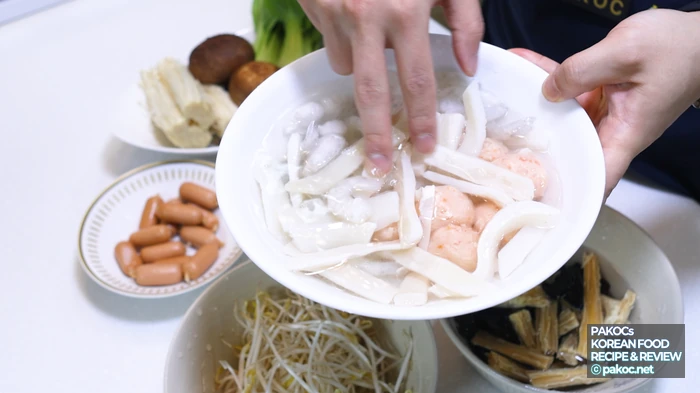
Copyright PAKOC https://pakoc.net | All Rights Reserved Pakoc(http://Pakoc.net)For the seafood, use a frozen seafood mix with squid, shrimp, fish balls, and the like, rinsed in cold water beforehand. Feel free to add any malatang ingredients you enjoy. I’m using dried tofu skin (fuzhu) and wood ear mushroom, so I soaked them in cold water in advance.
ⓒ
Copyright PAKOC https://pakoc.net | All Rights Reserved Pakoc(http://Pakoc.net)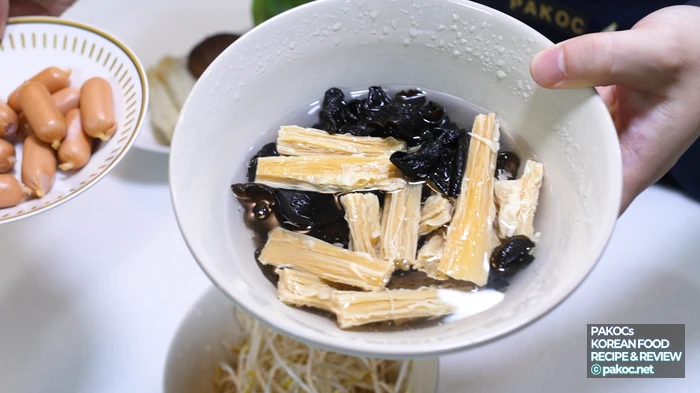
ⓒ
Copyright PAKOC https://pakoc.net | All Rights Reserved Pakoc(http://Pakoc.net)[Mala Palbochae Ingredients, serves 3–4]
- 400 g seafood + malatang ingredients (excluding vegetables)
- (frozen seafood, cocktail sausages, dried tofu skin, wood ear mushroom, etc.)
- 2 bok choy
- 150 g enoki mushrooms
- 2 shiitake mushrooms
- a handful of mung bean sprouts
- 2 red chili peppers
- 4 garlic cloves
- starch slurry: 5 Tbsp water + 1.5 Tbsp starch
- 2 Tbsp cooking wine
- a pinch of pepper
- 1 Tbsp mala sauce (with a little of the solids)
- 3–4 Tbsp cooking oil
- 1/2 Tbsp oyster sauce
- 1/2 Tbsp soy sauce
- 1/2 Tbsp doubanjiang
- 1 Tbsp sesame oil
- toasted sesame seeds, black sesame (optional)
[Mala Palbochae Recipe at a Glance]
- Rinse the frozen seafood once under running cold water.
- Prep the seafood + malatang items (sausage, dried tofu skin, wood ear, etc.) to about 400 g and trim as needed.
- Trim the bok choy, enoki, and shiitake, and give the mung bean sprouts a quick rinse.
- Cut the red chili into large pieces and slice the garlic.
- Heat 3–4 Tbsp of cooking oil in a pan and lightly fry the sliced garlic and red chili over medium heat.
- Shake off excess water from the seafood, add it and stir-fry, then add the rest of the malatang ingredients with the cooking wine and pepper.
- Add the oyster sauce, soy sauce, mala sauce, and doubanjiang, and stir-fry.
- Add the vegetables, stir-fry, then thicken with the starch slurry.
- Stir in 1 Tbsp of sesame oil, sprinkle with toasted and black sesame, and finish.
🦐 Shake the seafood dry so the oil doesn’t spit!
🌶️ Adding a bit of the mala sauce solids keeps the texture lively!
🔥 Stir-fry over high heat to cook off the moisture for a proper palbochae texture!
🧂 It leans a touch spicy and salty, so go light on seasoning at first and adjust later.
🦑 Prep time: 30 min
🍳 Cook time: 25 min
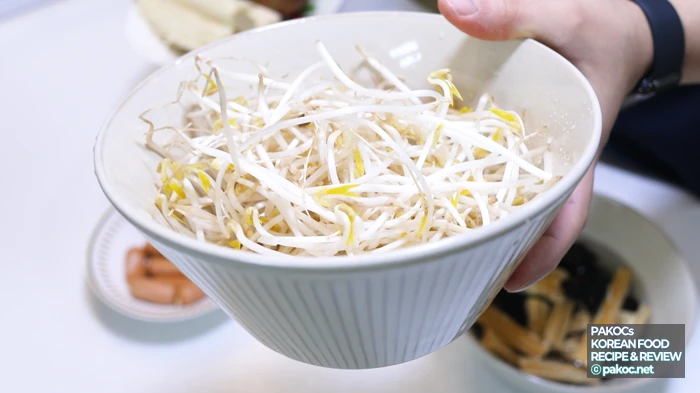
Prep the vegetables however you like, too! Alongside the basic palbochae staples like bok choy, shiitake, and red chili, you can add mung bean sprouts, enoki, and so on.
ⓒ
Copyright PAKOC https://pakoc.net | All Rights Reserved Pakoc(http://Pakoc.net)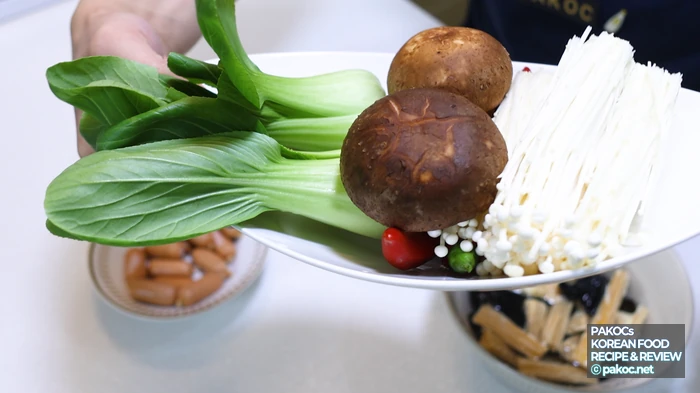
ⓒ
Copyright PAKOC https://pakoc.net | All Rights Reserved Pakoc(http://Pakoc.net)Prepping the Ingredients
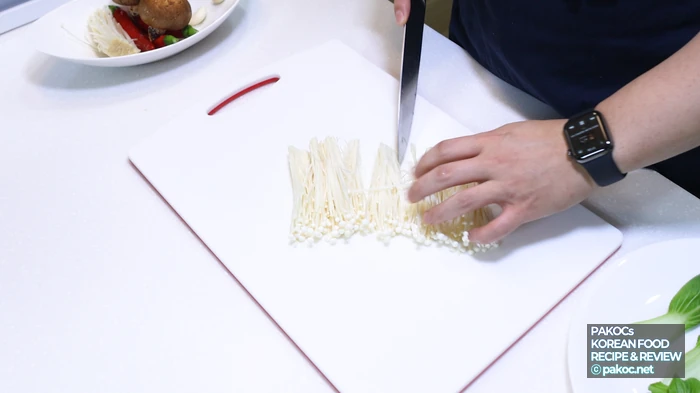
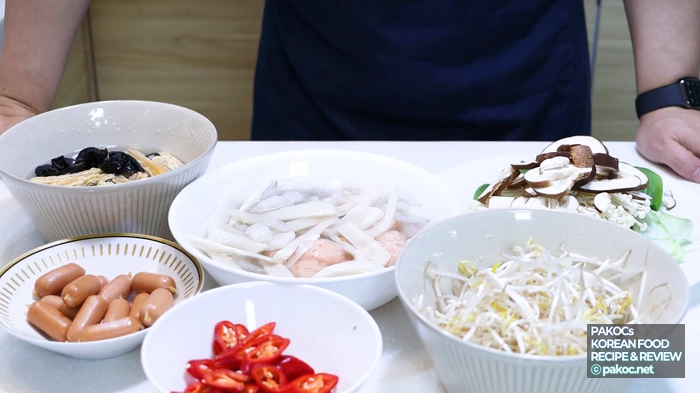
Let’s get the prep going. As mentioned, a frozen seafood mix combined with malatang items to about 400 g is plenty, and the rest is mostly just vegetables. Cut the 2 bok choy, 150 g enoki, and 2 shiitake into bite-sized pieces.
ⓒ
Copyright PAKOC https://pakoc.net | All Rights Reserved Pakoc(http://Pakoc.net)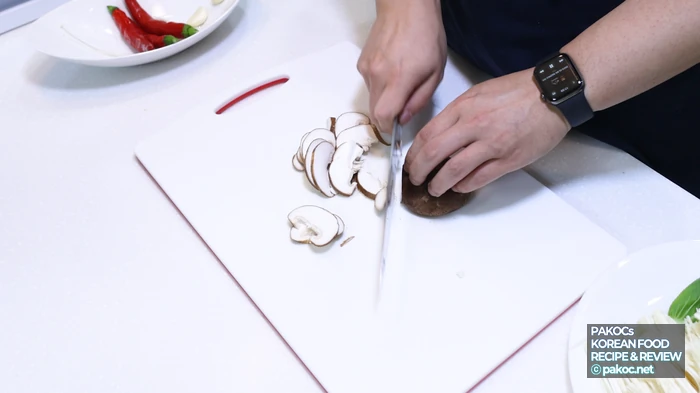
ⓒ
Copyright PAKOC https://pakoc.net | All Rights Reserved Pakoc(http://Pakoc.net)Slice 2 red chili peppers and three or four garlic cloves. For the mung bean sprouts, a light rinse and picking out any stringy bits is plenty.

ⓒ
Copyright PAKOC https://pakoc.net | All Rights Reserved Pakoc(http://Pakoc.net)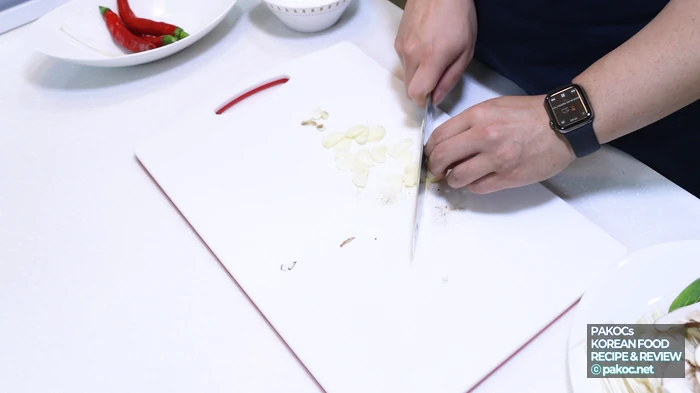
ⓒ
Copyright PAKOC https://pakoc.net | All Rights Reserved Pakoc(http://Pakoc.net)Once the dried tofu skin and wood ear in the seafood mix have fully thawed and rehydrated, squeeze out the excess water. Portion the rest into separate dishes so you can add each item according to its texture. It really wraps up in no time, right?
ⓒ
Copyright PAKOC https://pakoc.net | All Rights Reserved Pakoc(http://Pakoc.net)Making the Mala Palbochae
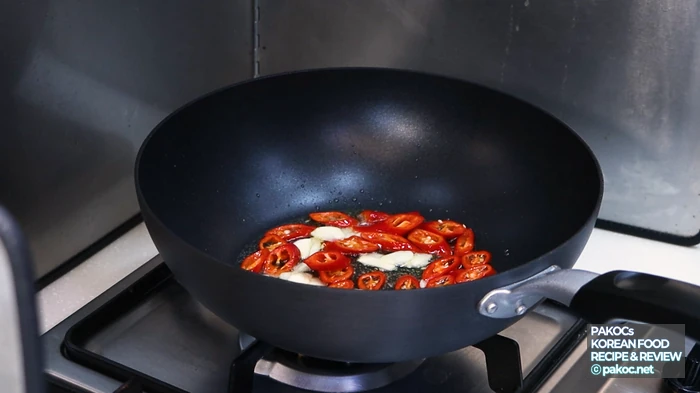
Now let’s cook. I used a wide wok. Coat the pan with three or four tablespoons of oil and heat it hard. Once the pan is good and hot, lower to medium heat, add the sliced garlic and red chili, and fry them lightly. You just want to draw out a bit of aroma into the oil, so keep stirring so nothing burns.
ⓒ
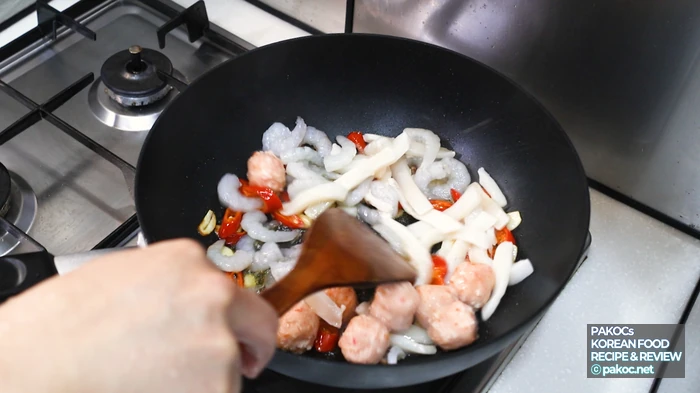
Copyright PAKOC https://pakoc.net | All Rights Reserved Pakoc(http://Pakoc.net)Next, shake the seafood mix completely dry and add it to the pan to stir-fry. Draining it well keeps the oil from spitting and cooks it quickly. Cook the seafood through, but again, take care not to let it burn.
ⓒ
Copyright PAKOC https://pakoc.net | All Rights Reserved Pakoc(http://Pakoc.net)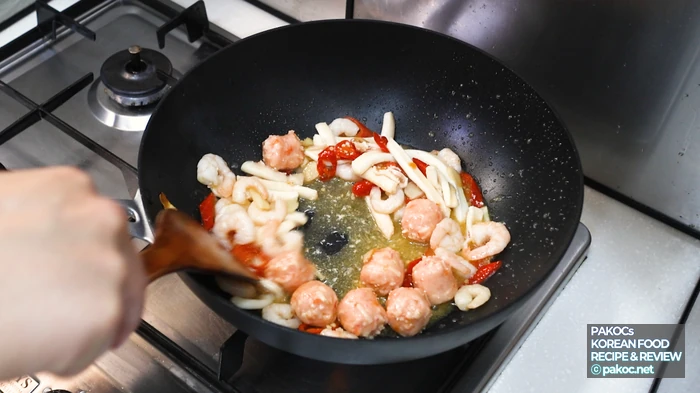
ⓒ
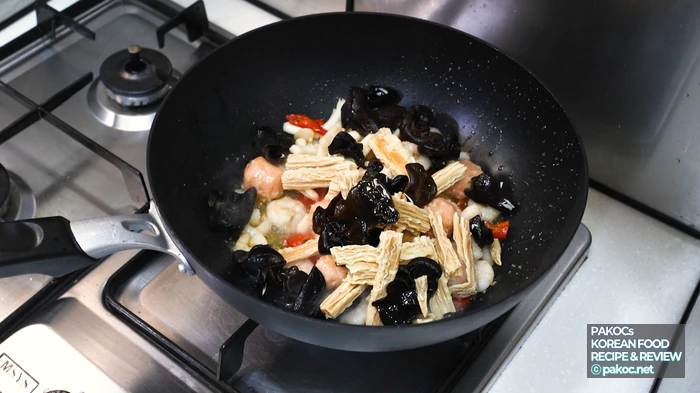
Copyright PAKOC https://pakoc.net | All Rights Reserved Pakoc(http://Pakoc.net)Once the seafood is cooked through, add whatever malatang ingredients you like, dried tofu skin, wood ear, cocktail sausages, and stir-fry together. Again, don’t forget to drain them well before adding. Stir-fry until the moisture has mostly cooked off.
ⓒ
Copyright PAKOC https://pakoc.net | All Rights Reserved Pakoc(http://Pakoc.net)Adding the Sauce and Finishing with Vegetables
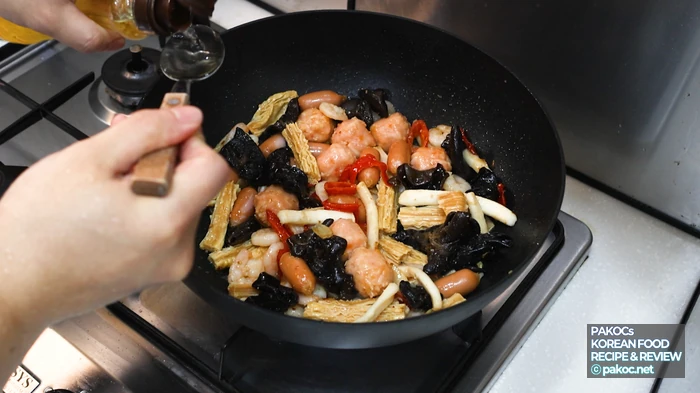
Once everything is cooked, add the sauce. First, add 2 Tbsp cooking wine and the pepper and mix well. Lower to low heat, then add 1/2 Tbsp oyster sauce, 1/2 Tbsp soy sauce, a generous 1 Tbsp of mala sauce, and 1/2 Tbsp doubanjiang, and stir-fry. Toss in a little of the mala sauce solids too. You shouldn’t need any extra seasoning here.
ⓒ
Copyright PAKOC https://pakoc.net | All Rights Reserved Pakoc(http://Pakoc.net)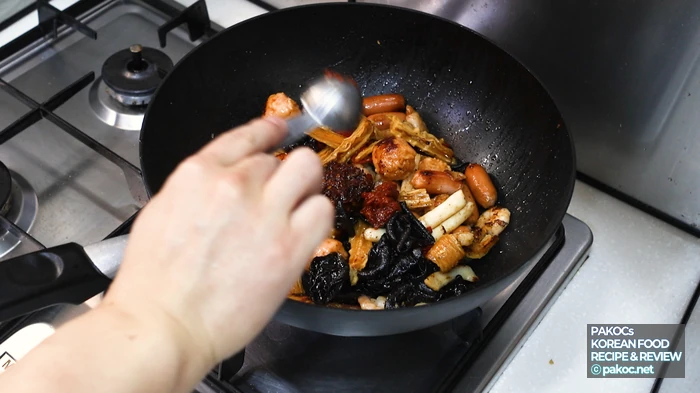
ⓒ
Copyright PAKOC https://pakoc.net | All Rights Reserved Pakoc(http://Pakoc.net)When you hear a lively sizzle, briefly crank the heat up and keep stirring so everything mixes evenly. Stir-fry until the mala sauce and doubanjiang have fully melted into the oil and coated everything.
ⓒ
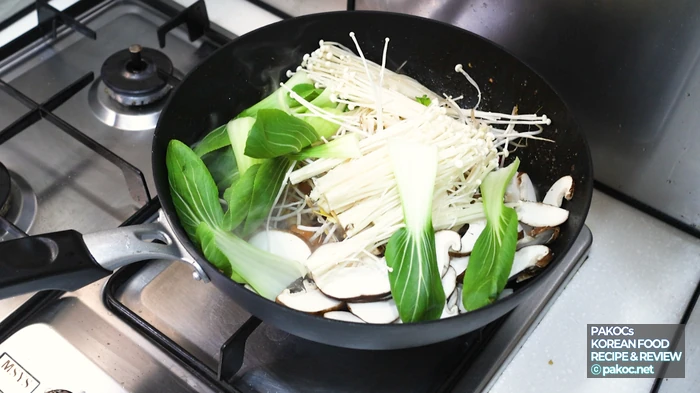
Copyright PAKOC https://pakoc.netOnce the main ingredients are all cooked, add the prepped vegetables, bok choy, enoki, shiitake, mung bean sprouts, and stir-fry. You can add them in order based on the texture you want, or, like me, just toss them all in at once and stir-fry hard.
ⓒ

Copyright PAKOC https://pakoc.net | All Rights Reserved Pakoc(http://Pakoc.net)I like a bit of crunch, so I first gave everything a quick toss over high heat. It looks like a lot at first, but it wilts and shrinks down fast, so if you want more fiber, feel free to prep a little extra.
ⓒ
Copyright PAKOC https://pakoc.net | All Rights Reserved Pakoc(http://Pakoc.net)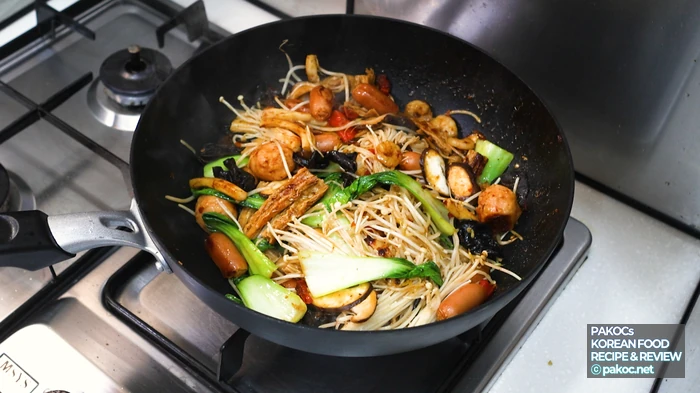
ⓒ
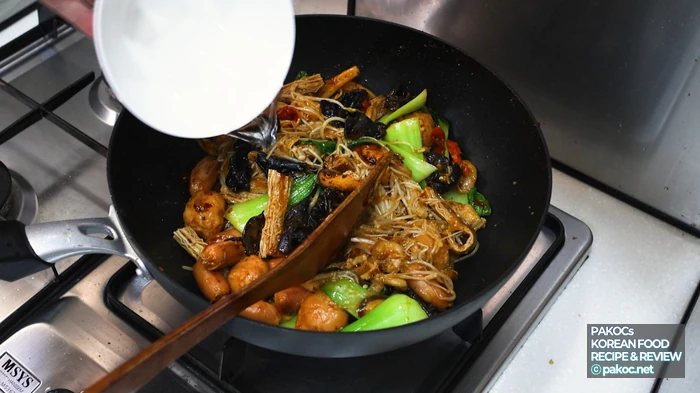
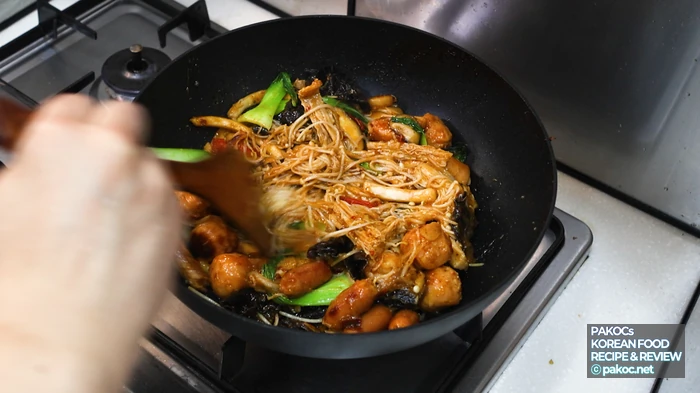
Copyright PAKOC https://pakoc.net | All Rights Reserved Pakoc(http://Pakoc.net)When the vegetables are partly cooked, make the starch slurry. Dissolve 1.5 Tbsp starch into 5 Tbsp water. Pour it evenly over everything and stir-fry over low heat until it turns slightly thick. Since the vegetables release some water as they cook, you won’t need much, so add only about 70–80% of the slurry and adjust as you go.
ⓒ
Copyright PAKOC https://pakoc.net | All Rights Reserved Pakoc(http://Pakoc.net)As the slurry sets in, it gradually turns glossy and thick. Once it looks nicely palbochae-like, stir in 1 Tbsp of sesame oil at the end. Finish by sprinkling toasted and black sesame over the top if you like!
ⓒ
Copyright PAKOC https://pakoc.net | All Rights Reserved Pakoc(http://Pakoc.net)
ⓒ
Copyright PAKOC https://pakoc.net | All Rights Reserved Pakoc(http://Pakoc.net)Mala Palbochae Photo Gallery
ⓒ
Copyright PAKOC https://pakoc.net | All Rights Reserved Pakoc(http://Pakoc.net)
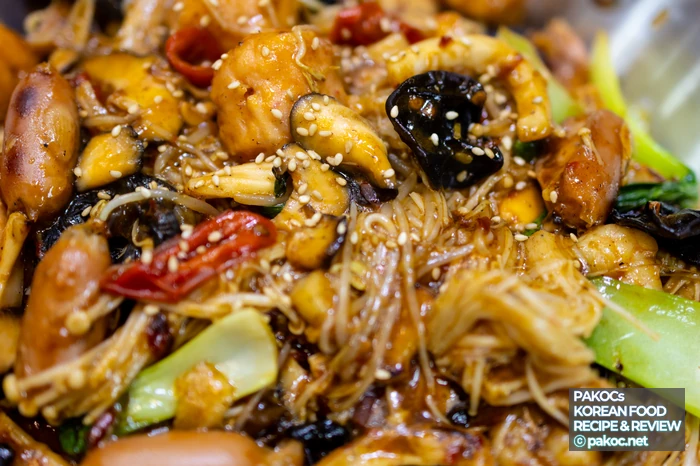
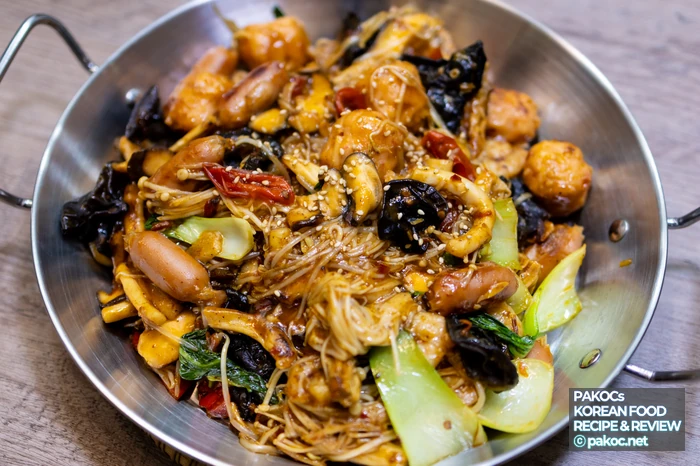
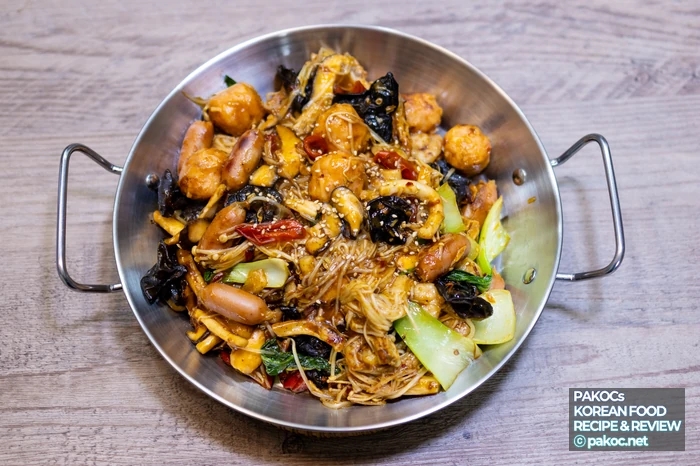
The Finished Mala Palbochae
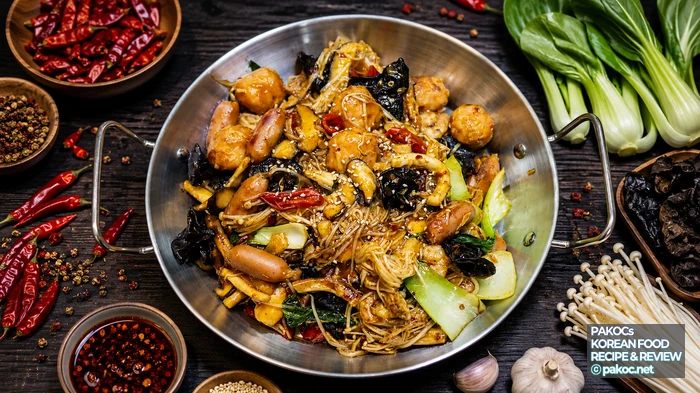
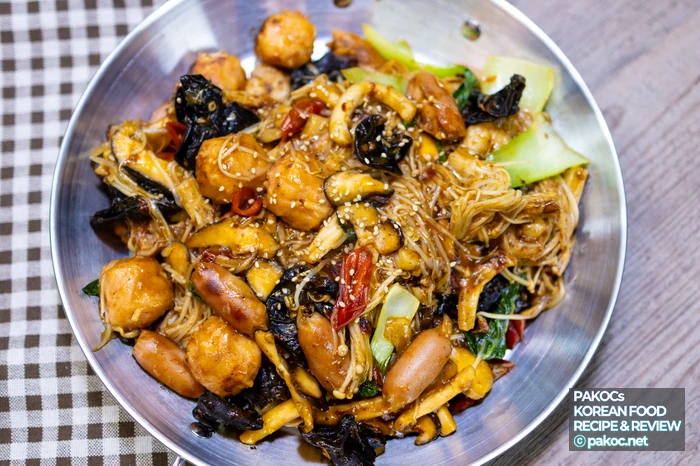
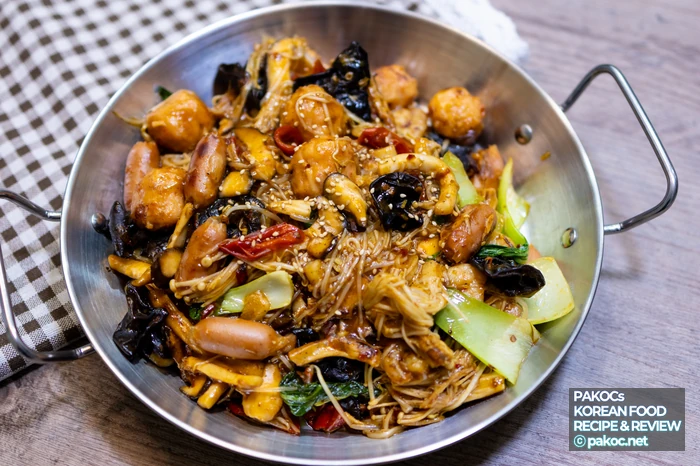
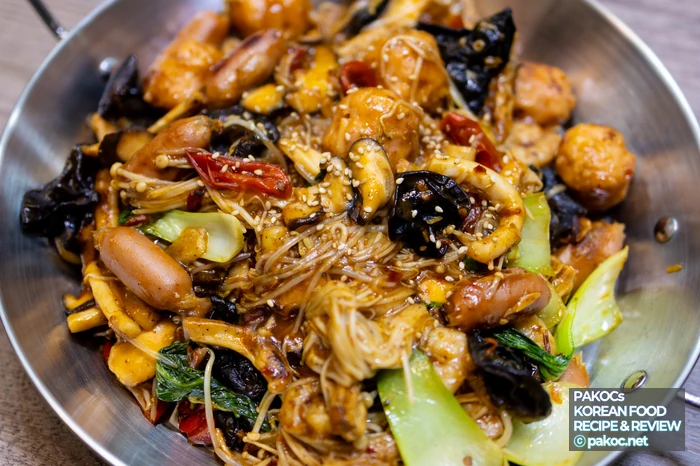

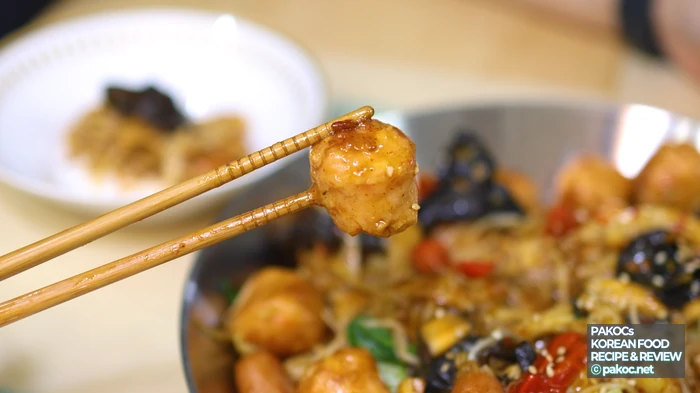
And here’s the finished Mala Palbochae. With seafood and vegetables mingling in that numbing mala sauce, it looks part mala xiangguo, part palbochae. Just the aroma is enough to send the kids darting out of their room, it smells that much like mala xiangguo.
ⓒ
Copyright PAKOC https://pakoc.netYou might wonder whether you can really make palbochae or mala xiangguo at home, but with a frozen seafood mix and little fuss for the rest, it comes together very easily. As long as you roughly match the weights, just about anything you throw in works beautifully. Adding extra fiber to ease the guilt a little is fair game, too!
ⓒ
Copyright PAKOC https://pakoc.net | All Rights Reserved Pakoc(http://Pakoc.net)
ⓒ
Copyright PAKOC https://pakoc.net | All Rights Reserved Pakoc(http://Pakoc.net)Maybe it’s just the style of the dish, but it’s excellent any way you eat it, spooned over rice as a rice bowl, as a snack for the kids, or as an appetizer with drinks for the grown-ups. You could even buy a pack of assorted grilling mushrooms to make it. This really is home-cooked Mala Palbochae worthy of any Chinese restaurant! Give it a try, and once you do, you’ll find yourself craving it again. It’s the kind of taste you won’t regret one bit.
ⓒ
Copyright PAKOC https://pakoc.net | All Rights Reserved Pakoc(http://Pakoc.net)Palbochae (known as babaocai in Chinese) is a classic Chinese dish of seafood like squid and shrimp stir-fried with assorted vegetables, often served over rice as a bowl. For more on the dish itself, see the Wikipedia article on babaocai (palbochae).
Frequently Asked Questions
Q. What ingredients do I need for Mala Palbochae?
The base is about 400 g of frozen seafood mix plus malatang ingredients. Add vegetables like bok choy, enoki, shiitake, and mung bean sprouts, along with red chili and garlic, then season with mala sauce, doubanjiang, oyster sauce, and soy sauce. Dried tofu skin or wood ear mushroom makes the texture even richer.
Q. How long does it take to make?
About 30 minutes of prep and 25 minutes of cooking, so it’s done within an hour. Since you use a frozen seafood mix and only need to trim the vegetables, there’s little fuss, and the stir-frying is simple, making it an easy 3–4 serving recipe to pull off at home.
Q. What does it taste like, and can kids eat it?
It has a numbing, addictive mala-xiangguo-like flavor with seafood and vegetables woven through. It leans a little spicy and salty, so if you’re serving kids, cut back on the mala sauce or under-season and adjust later. It works great spooned over rice or served as an appetizer.
image sources
- 굴소스 사용 팁: Copyright PAKOC https://pakoc.net
- 팔보채 완성 사진: Copyright PAKOC https://pakoc.net
- 마라팔보채 재료준비 과정: Copyright PAKOC https://pakoc.net