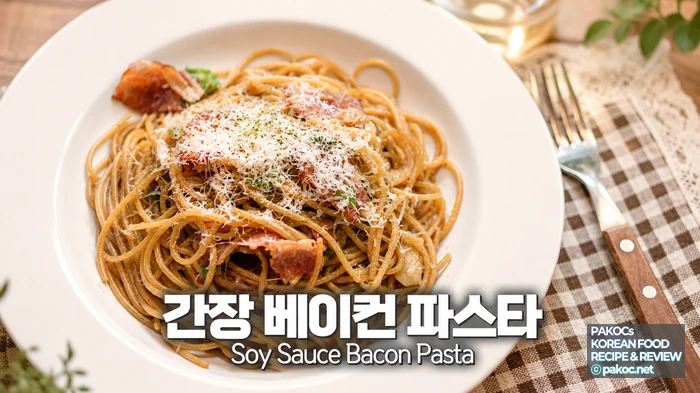
Today’s pasta recipe is a soy sauce bacon pasta built around soy sauce, bacon, and a handful of vegetables. Think of it as a Korean-style twist on a classic Italian oil pasta. The method is dead simple, and unlike heavier oil pastas, this one stays light and clean, so anyone can enjoy it. It comes together quickly, which makes it perfect as a quick solo meal, and it also scales up easily for a family dinner. So let’s get straight into how it works.
📋 At a Glance
- Dish: Soy sauce bacon pasta (Korean-style oil pasta)
- Servings: 2 people
- Time: 10 min prep + 10 min cooking
- Main ingredients: 2 servings of pasta, 4 to 6 slices of bacon, 1/2 onion, 4 garlic cloves, 2 to 3 Korean green chilies (optional), 3 to 4 tbsp olive oil
- Key seasonings: 2 tbsp soy sauce, 1 tbsp sesame oil, 1 tbsp sugar, 1 tbsp Yondu cooking essence, salt and pepper
- Verdict: ★4.5 — a clean, savory Korean-style oil pasta that comes together in 10 minutes, equally good for a solo meal or a family dinner.
Soy Sauce Bacon Pasta: Ingredient Rundown
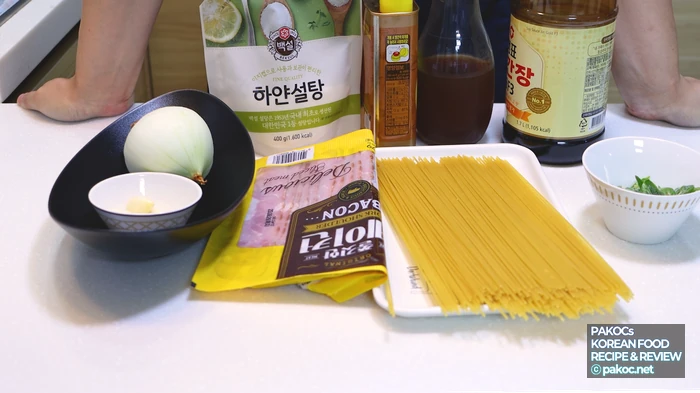
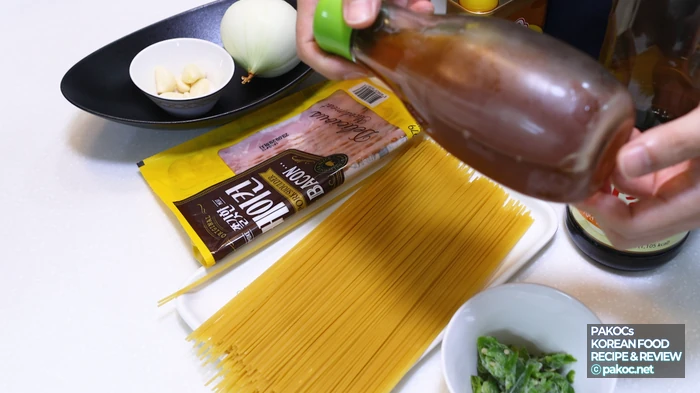
Let’s go through the ingredients quickly. Beyond pasta, bacon, and soy sauce, you’ll only need a few aromatics and a handful of sauce items. Adjust the smaller details to taste, but if you can, I’d recommend including everything on the list.
ⓒ
Copyright PAKOC https://pakoc.net | All Rights Reserved Pakoc(http://Pakoc.net)[Bacon soy sauce pasta — for 2 servings]
- Pasta for 2 (1 serving: 80 to 120 g)
- 1/2 onion
- 4 to 6 slices of bacon
- 4 garlic cloves
- 2 to 3 Korean green chilies (cheongyang gochu, optional)
- 3 to 4 tbsp olive oil
- 2 tbsp soy sauce
- 1 tbsp sesame oil
- 1 tbsp sugar
- 1 tbsp Yondu cooking essence (a Korean liquid seasoning)
- Salt (for pasta water) and a pinch of pepper
- Grated cheese and dried laver flakes (optional)
[Recipe at a glance]
- Set the pasta water on the heat before anything else. If you can boil the pasta in advance, the rest of the dish will move much faster.
- If spicy heat isn’t your thing, feel free to skip the Korean green chilies altogether.
- Grated cheese is optional. You can also leave it out if you’d prefer a slightly saltier, sharper finish without the dairy.
- Dried laver flakes on top instead of cheese give a completely different, Korean-style finish.
- Sandwich-style sliced ham works well in place of bacon if that’s what you have on hand.
🍝 Boil the pasta water first; getting the noodles cooking early shaves real time off the recipe.
🌶 If you don’t like spicy heat, skip the Korean green chilies.
🧀 The grated cheese is optional. If you’d rather keep it on the saltier side, leave the cheese out.
🧂 As a substitute for cheese, sprinkle dried laver flakes on top for a fun, Korean-style finish.
🍖 You can swap the bacon for sandwich-style sliced ham and still get great results.
🍝 Prep time: 10 min
🍳 Cook time: 10 min
I really recommend adding the Yondu cooking essence here. For the chilies, I used some I’d pre-sliced and frozen earlier.
ⓒ
Copyright PAKOC https://pakoc.net | All Rights Reserved Pakoc(http://Pakoc.net)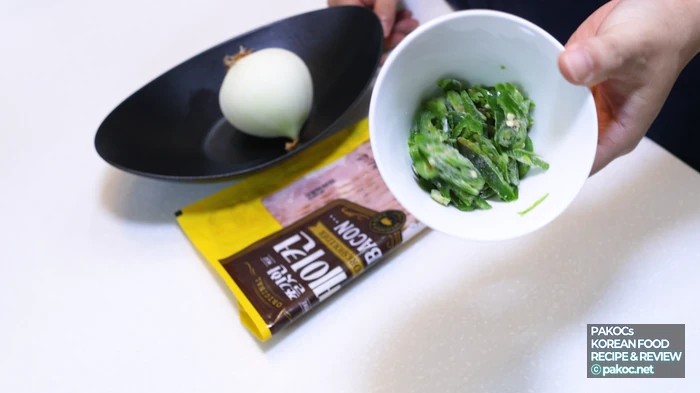
ⓒ
Copyright PAKOC https://pakoc.net | All Rights Reserved Pakoc(http://Pakoc.net)Soy Sauce Bacon Pasta: Prepping the Ingredients
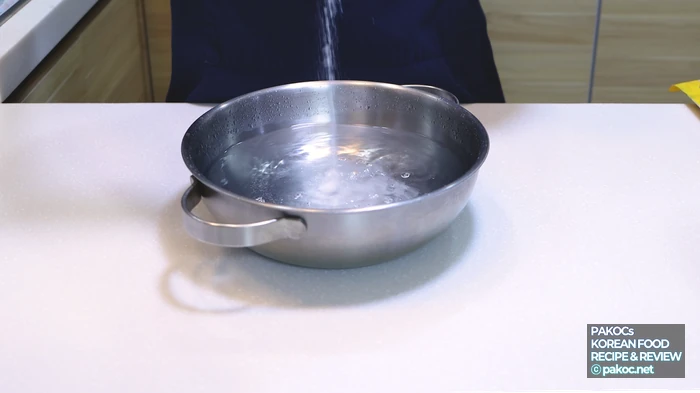
First, get a pot of pasta water going. Add a good pinch of salt to season the water, and let it come to a boil ahead of time. It will trim down the cooking time noticeably.
ⓒ
Copyright PAKOC https://pakoc.net | All Rights Reserved Pakoc(http://Pakoc.net)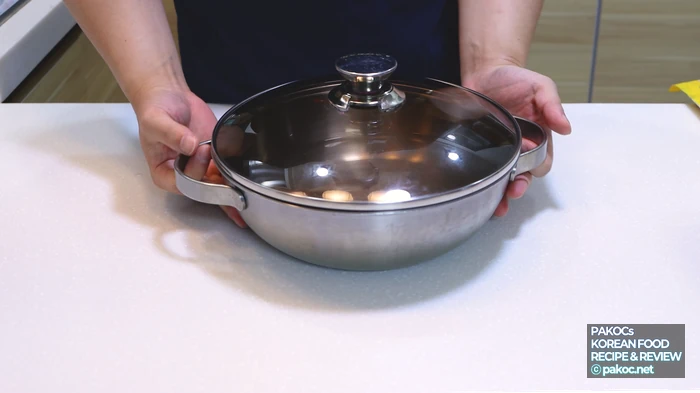
ⓒ
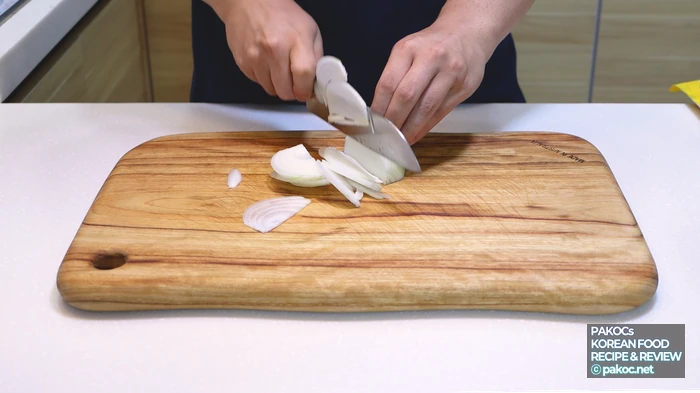
Copyright PAKOC https://pakoc.net | All Rights Reserved Pakoc(http://Pakoc.net)While the water heats up, prep the rest. Slice the onion thinly. Cut the 4 garlic cloves into thin slices and the 2 to 3 Korean green chilies on a diagonal after seeding them. I’d already pre-sliced and frozen my chilies, so I skipped that step here.
ⓒ
Copyright PAKOC https://pakoc.net | All Rights Reserved Pakoc(http://Pakoc.net)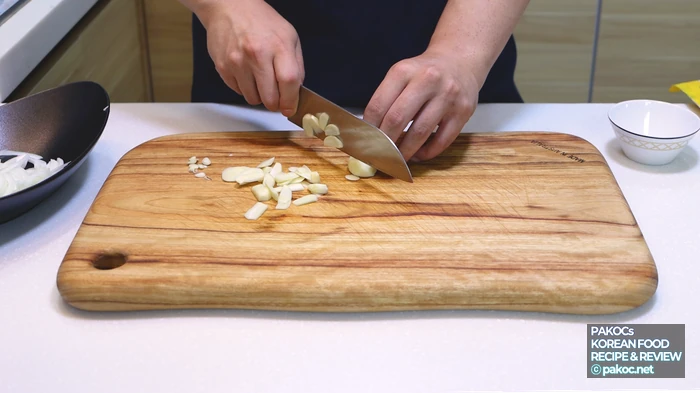
ⓒ
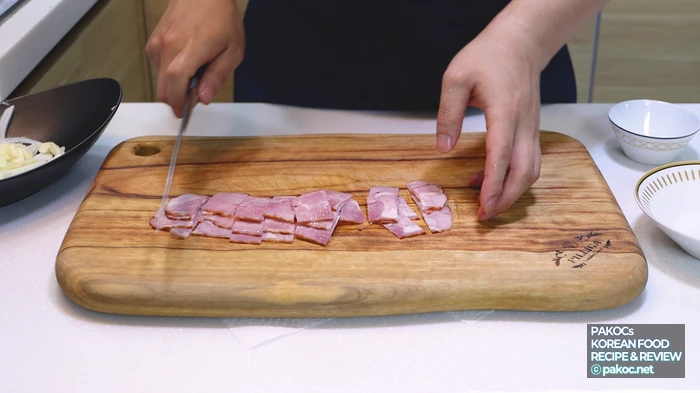
Copyright PAKOC https://pakoc.net | All Rights Reserved Pakoc(http://Pakoc.net)Cut the 4 to 6 slices of bacon into manageable pieces. I like mine in larger chunks, but cutting them smaller works just as well.
ⓒ
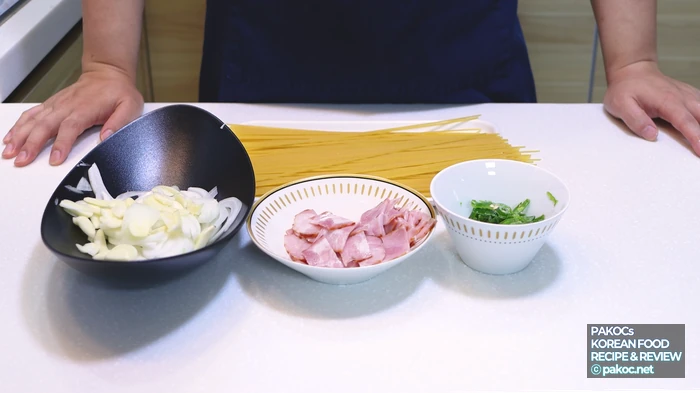
Copyright PAKOC https://pakoc.net | All Rights Reserved Pakoc(http://Pakoc.net)By the time your water boils, your prep should be ready. I plan to sauté the bacon first, then the garlic and onion, and finish with the chilies, so I kept each group in its own bowl.
ⓒ
Copyright PAKOC https://pakoc.net | All Rights Reserved Pakoc(http://Pakoc.net)Soy Sauce Bacon Pasta: Cooking It Up
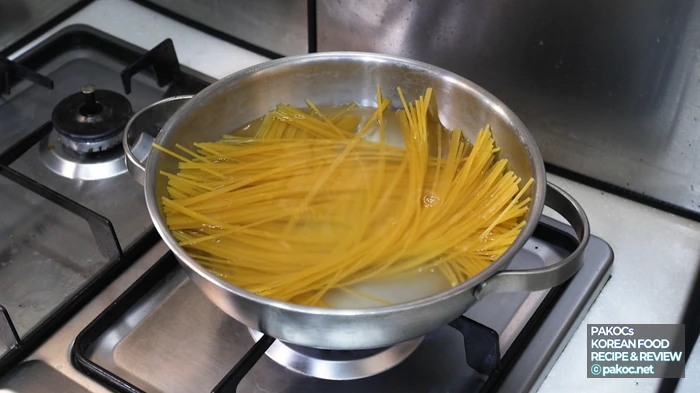
Drop 2 servings of pasta into the boiling salted water. Because the sauce includes soy sauce and other seasonings, you can salt the water a touch lighter than you usually would so the final seasoning balances out.
ⓒ
Copyright PAKOC https://pakoc.net | All Rights Reserved Pakoc(http://Pakoc.net)Crisp the bacon first
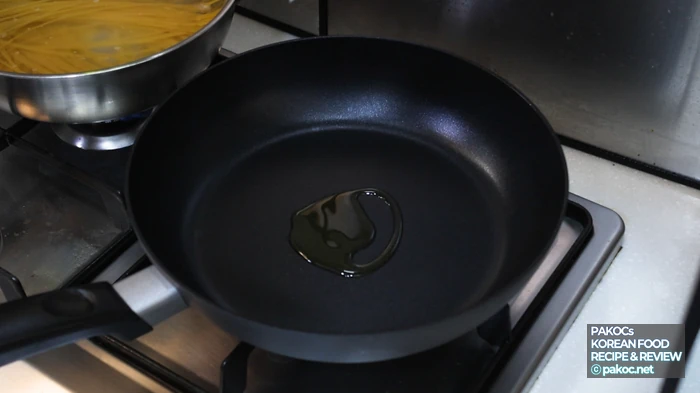
Heat 3 to 4 tbsp of olive oil in a pan over medium heat, then sauté the bacon first. Cook it until it’s nicely golden and just a touch crisp around the edges.
ⓒ
Copyright PAKOC https://pakoc.net | All Rights Reserved Pakoc(http://Pakoc.net)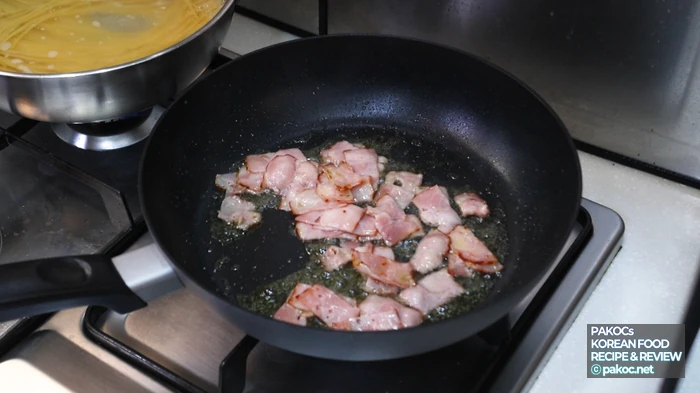
ⓒ
Copyright PAKOC https://pakoc.net | All Rights Reserved Pakoc(http://Pakoc.net)Build aroma with garlic, onion, then chili
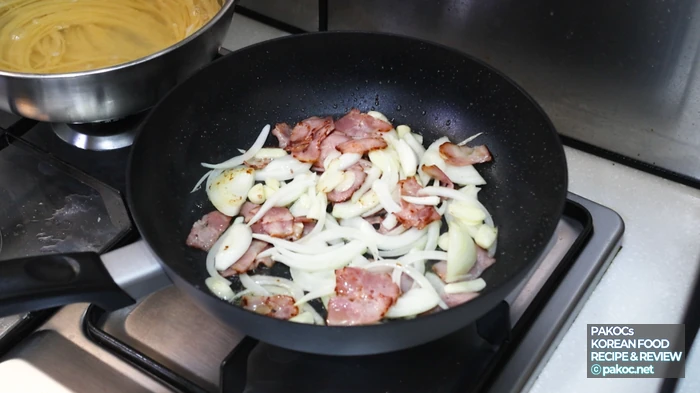
Now add the prepped garlic and onion to the pan. Sauté the garlic until it softens and turns translucent, and the onion until it picks up a light golden color.
ⓒ
Copyright PAKOC https://pakoc.net | All Rights Reserved Pakoc(http://Pakoc.net)
ⓒ
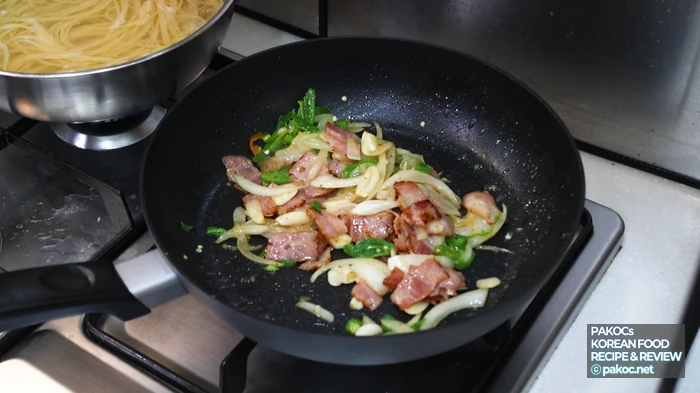
Copyright PAKOC https://pakoc.net | All Rights Reserved Pakoc(http://Pakoc.net)Finally, add the Korean green chilies and sauté those too. Hit it with a small pinch of pepper. I cooked the chilies just long enough to infuse the oil with a gentle heat rather than a sharp spicy aroma. If you only want the crunch and not the kick, swap them for bell pepper instead.
ⓒ
Copyright PAKOC https://pakoc.net | All Rights Reserved Pakoc(http://Pakoc.net)Toss in the noodles and the seasoning
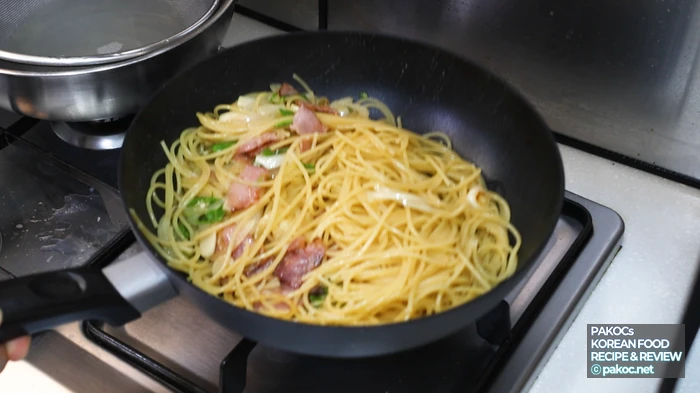
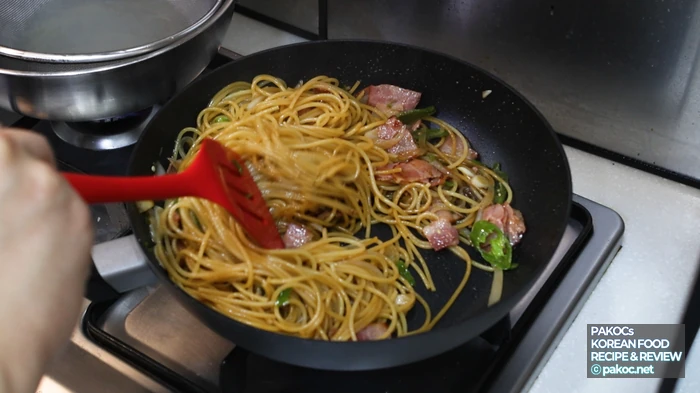
Once the aromatics are cooked, add the boiled pasta and toss everything to combine. Drizzle a touch more olive oil over the noodles, then add 2 tbsp soy sauce, 1 tbsp sesame oil, 1 tbsp sugar, and 1 tbsp Yondu cooking essence, and stir-fry it all together. Keep the heat at medium-low for this step.
ⓒ
Copyright PAKOC https://pakoc.net | All Rights Reserved Pakoc(http://Pakoc.net)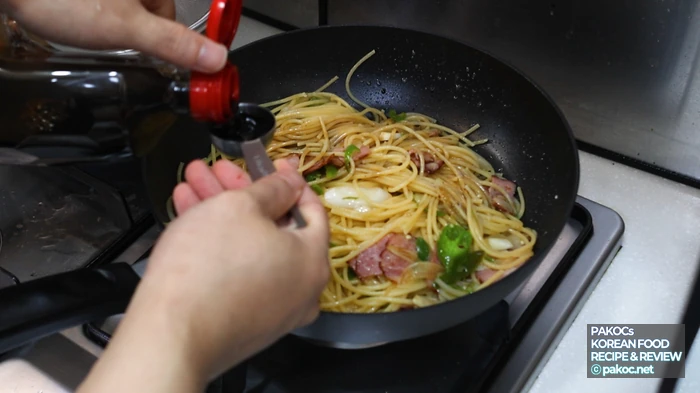
ⓒ
Copyright PAKOC https://pakoc.net | All Rights Reserved Pakoc(http://Pakoc.net)Stir-fry while making sure the sauce doesn’t scorch and the noodles get coated evenly.
ⓒ
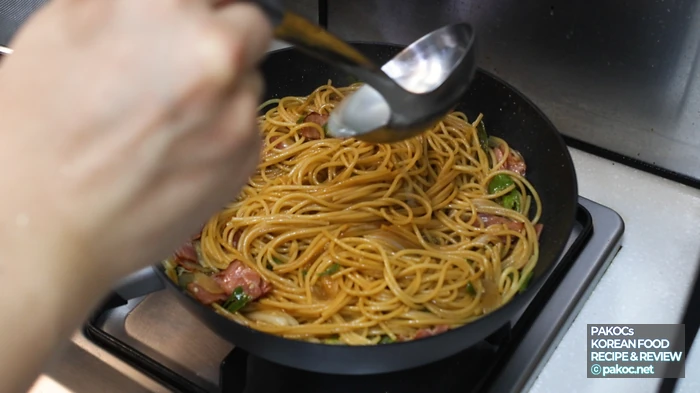
Copyright PAKOC https://pakoc.net | All Rights Reserved Pakoc(http://Pakoc.net)If the noodles start drying out as you stir-fry, splash in a little of the salted pasta water. For a slightly more oily, slick mouthfeel, drizzle in a bit more olive oil while finishing the toss.
ⓒ
Copyright PAKOC https://pakoc.net | All Rights Reserved Pakoc(http://Pakoc.net)
ⓒ
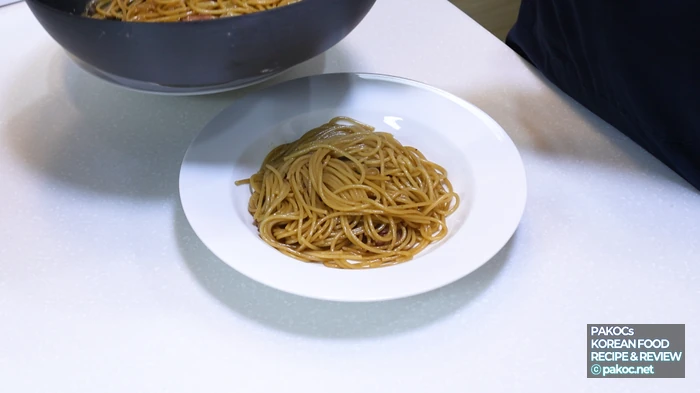
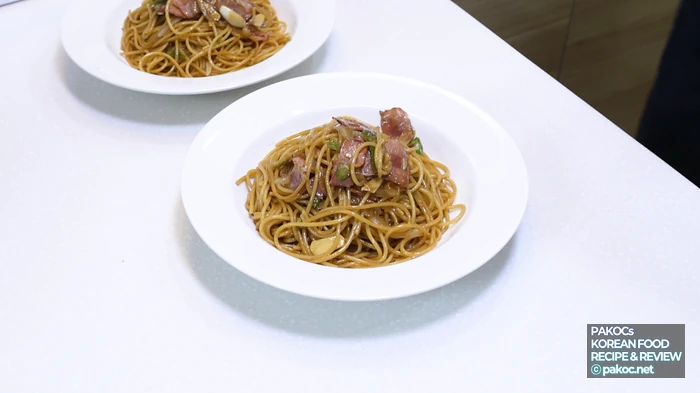
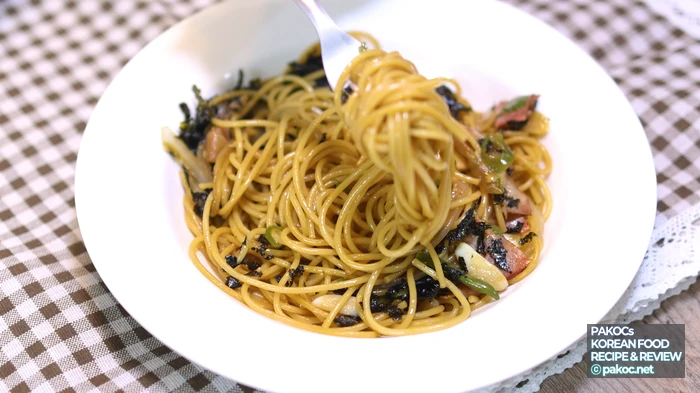
Copyright PAKOC https://pakoc.net | All Rights Reserved Pakoc(http://Pakoc.net)Plate the finished pasta in a bowl of your choice. It picks up a subtle brown sheen from the soy sauce, kind of like Korean stir-fried noodles, doesn’t it?
ⓒ
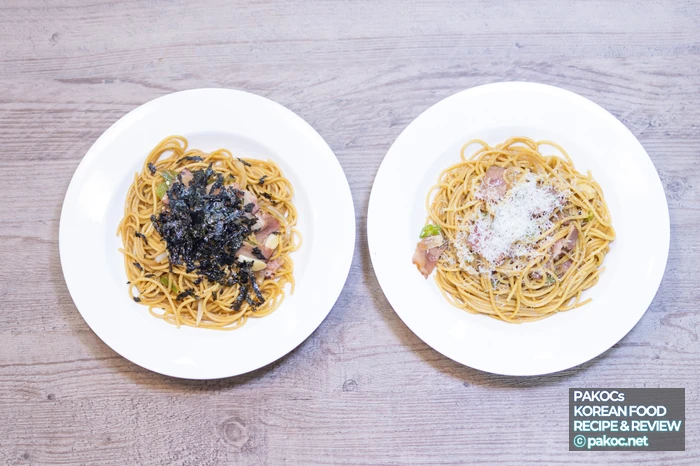
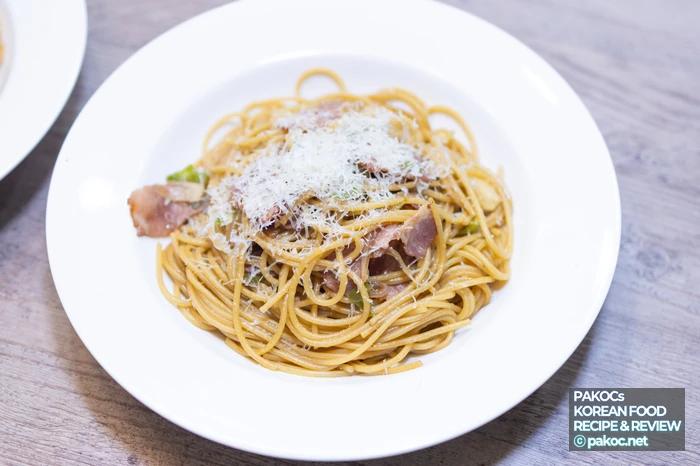
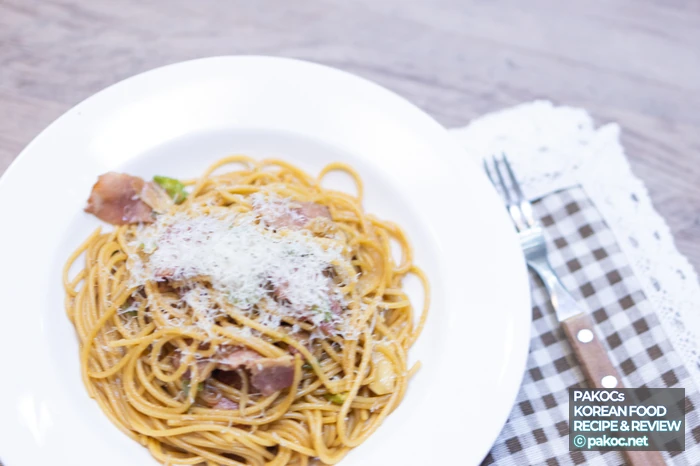
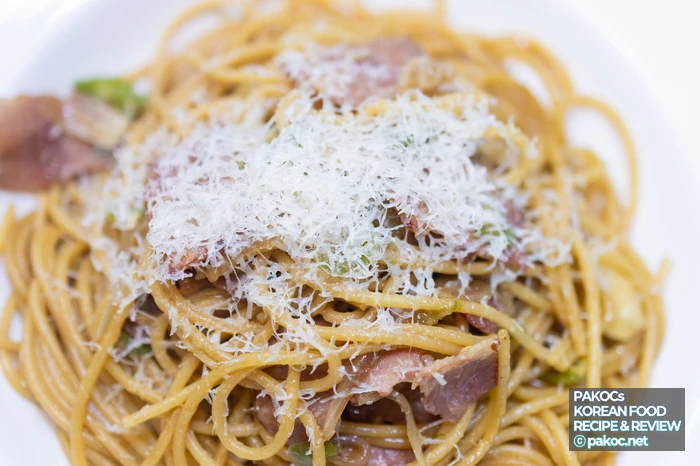
Copyright PAKOC https://pakoc.net | All Rights Reserved Pakoc(http://Pakoc.net)If you like, finish with a generous sprinkle of grated cheese. I’d personally recommend parmesan or pecorino.
ⓒ
Copyright PAKOC https://pakoc.net | All Rights Reserved Pakoc(http://Pakoc.net)
ⓒ
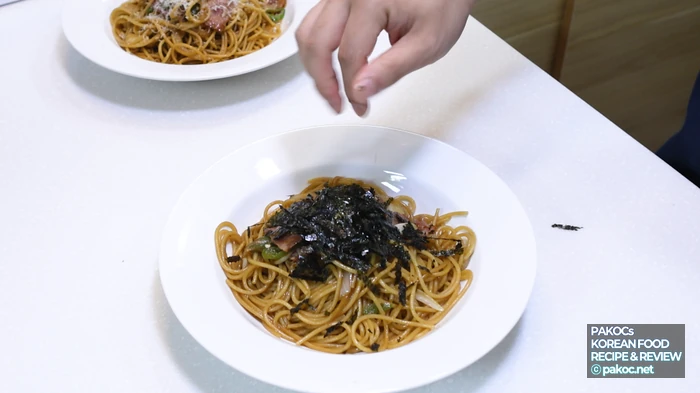
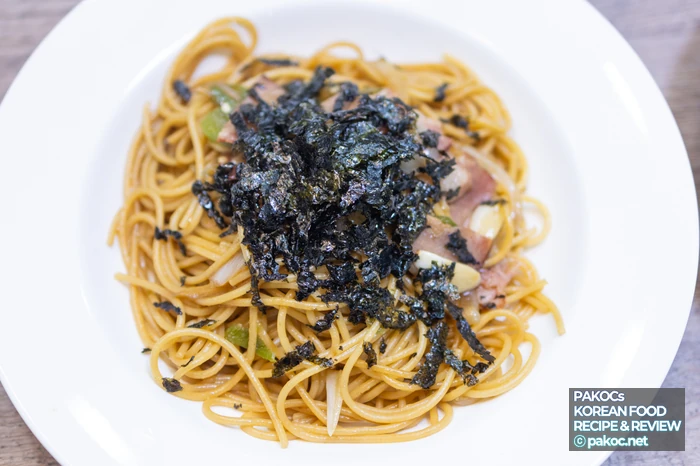
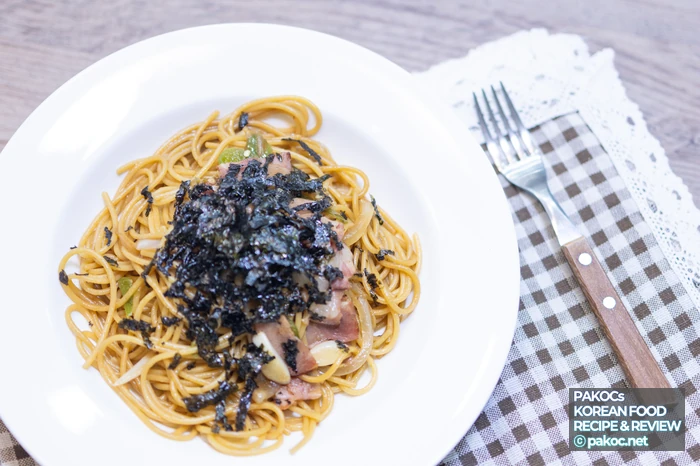
Copyright PAKOC https://pakoc.net | All Rights Reserved Pakoc(http://Pakoc.net)Another option is to top the pasta with seasoned dried laver flakes. It’s called a pasta, but the flavor leans more toward Korean soy-sauce stir-fried noodles, and laver pairs surprisingly well with it.
ⓒ
Copyright PAKOC https://pakoc.net | All Rights Reserved Pakoc(http://Pakoc.net)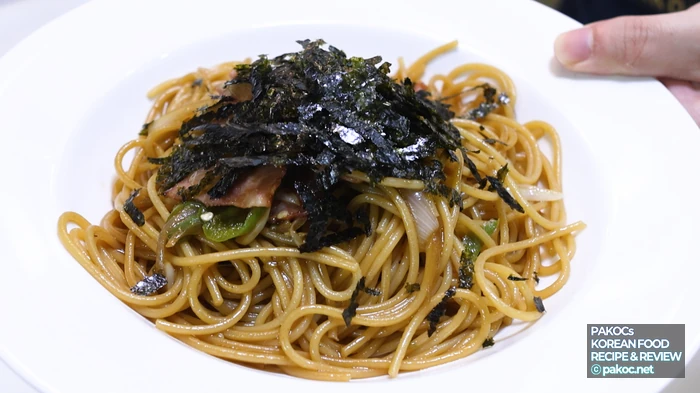
ⓒ
Copyright PAKOC https://pakoc.net | All Rights Reserved Pakoc(http://Pakoc.net)Gallery: Finished Soy Sauce Bacon Pasta
ⓒ
Copyright PAKOC https://pakoc.net | All Rights Reserved Pakoc(http://Pakoc.net)
Soy Sauce Bacon Pasta: The Finished Dish
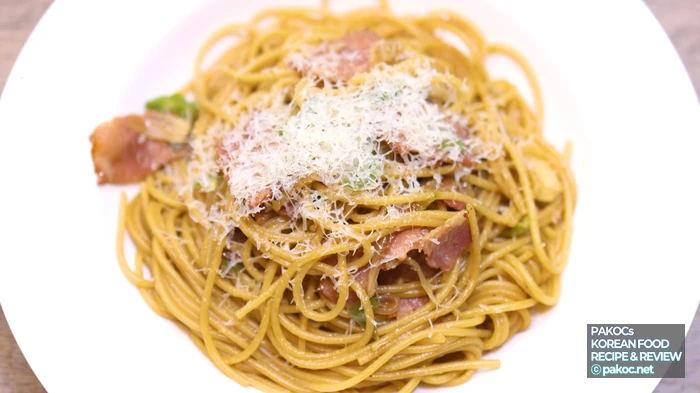
And that’s your finished soy sauce bacon pasta. Calling it a Korean-Italian fusion is a stretch unless you finish it with olive oil and cheese; otherwise, it’s essentially a Korean dish in pasta form.
ⓒ
Copyright PAKOC https://pakoc.net | All Rights Reserved Pakoc(http://Pakoc.net)There are similar fusion pastas using soy-sauce-glazed pork (jeyuk) or bulgogi, but compared to those, this one is far easier to put together while still giving you a similar overall vibe.
ⓒ
Copyright PAKOC https://pakoc.net | All Rights Reserved Pakoc(http://Pakoc.net)
ⓒ
Copyright PAKOC https://pakoc.net | All Rights Reserved Pakoc(http://Pakoc.net)Final Verdict — Reinvent It with Toppings
Leave out the Korean green chilies and the flavor stays gentle enough for almost anyone to enjoy. You can also scale the portions up or down freely, so this is honestly a low-effort weeknight pasta worth keeping in your rotation.
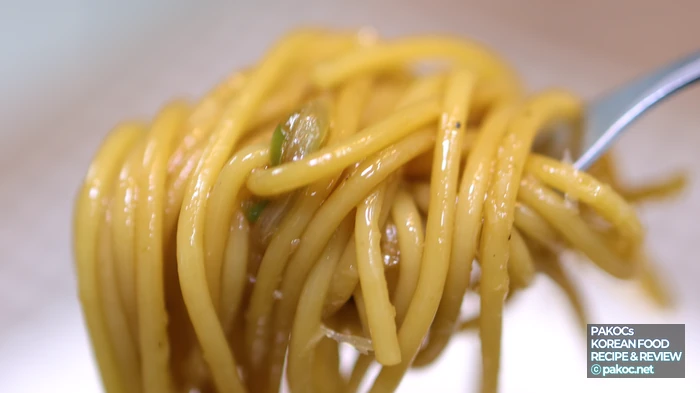
ⓒ

Copyright PAKOC https://pakoc.net | All Rights Reserved Pakoc(http://Pakoc.net)Even if you cook it the same way each time, swapping the topping gives you a noticeably different bowl on each go, so you can come back to this recipe again and again without it getting old. If you live in North America or Europe, gochugaru-style Korean green chilies can be tricky to find, but Asian groceries usually stock them, and Yondu now ships widely online. It really is the kind of flavor you won’t regret making.
ⓒ
Copyright PAKOC https://pakoc.net | All Rights Reserved Pakoc(http://Pakoc.net)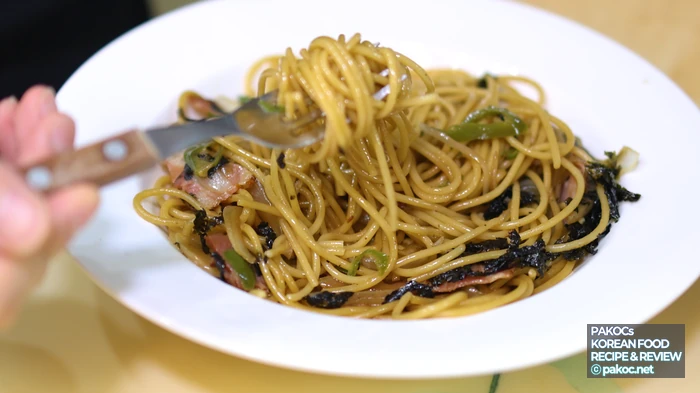
ⓒ
Copyright PAKOC https://pakoc.net | All Rights Reserved Pakoc(http://Pakoc.net)For the origin and history of the Italian oil pasta this dish riffs on, check out the Wikipedia article on Spaghetti aglio e olio.
Frequently Asked Questions
Q. How spicy is this pasta?
It’s mildly spicy at most, with the heat coming mainly from 2 to 3 Korean green chilies infusing the olive oil. Skip the chilies entirely for a heat-free version, or swap in a milder bell pepper if you still want the crunch and color without the kick.
Q. What can I use instead of bacon, Yondu, or sesame oil?
Sandwich-style sliced ham works as a direct bacon substitute and still hits a similar savory note. If you can’t find Yondu, a splash of light vegetable stock or a tiny dash of MSG mimics the umami well enough. Toasted sesame oil is harder to replace, but a roasted nut oil or a touch of dark sesame oil from an Asian grocery will do.
Q. Should I top it with cheese or laver?
Both work, and they take the dish in totally different directions. Parmesan or pecorino on top leans the pasta closer to its Italian roots, while seasoned dried laver flakes push it firmly into Korean soy-sauce stir-fried noodle territory. Try both on separate occasions to see which version you prefer.
Youtube
image sources
- 소스 골고루 섞기 팁: Copyright PAKOC https://pakoc.net | All Rights Reserved Pakoc(http://Pakoc.net)
- 간장 볶음면 조리법: Copyright PAKOC https://pakoc.net | All Rights Reserved Pakoc(http://Pakoc.net)
- 향긋한 마늘 볶기 방법: Copyright PAKOC https://pakoc.net | All Rights Reserved Pakoc(http://Pakoc.net)
- 베이컨 대체 재료 추천: Copyright PAKOC https://pakoc.net | All Rights Reserved Pakoc(http://Pakoc.net)
- 매운맛 조절 방법: Copyright PAKOC https://pakoc.net | All Rights Reserved Pakoc(http://Pakoc.net)
- 식사 전 재료 준비 방법: Copyright PAKOC https://pakoc.net | All Rights Reserved Pakoc(http://Pakoc.net)
- 간장 베이컨 파스타 완성 모습: Copyright PAKOC https://pakoc.net | All Rights Reserved Pakoc(http://Pakoc.net)
- 소스 타지 않게 조리하기: Copyright PAKOC https://pakoc.net | All Rights Reserved Pakoc(http://Pakoc.net)
- 매력적인 파스타 요리 비주얼: Copyright PAKOC https://pakoc.net | All Rights Reserved Pakoc(http://Pakoc.net)
- 볶음면 느낌 파스타 음식: Copyright PAKOC https://pakoc.net | All Rights Reserved Pakoc(http://Pakoc.net)
- 쉬운 파스타 조리 레시피: Copyright PAKOC https://pakoc.net | All Rights Reserved Pakoc(http://Pakoc.net)
- 파스타 맛있게 먹는 팁: Copyright PAKOC https://pakoc.net | All Rights Reserved Pakoc(http://Pakoc.net)
- 간장 베이컨 요리 과정 사진: Copyright PAKOC https://pakoc.net | All Rights Reserved Pakoc(http://Pakoc.net)
- 간장 베이컨 맛 조화: Copyright PAKOC https://pakoc.net | All Rights Reserved Pakoc(http://Pakoc.net)
- 재료 변형 레시피 아이디어: Copyright PAKOC https://pakoc.net | All Rights Reserved Pakoc(http://Pakoc.net)
- 매운 청양고추 준비 방법: Copyright PAKOC https://pakoc.net | All Rights Reserved Pakoc(http://Pakoc.net)
- 파스타 조리 재료 소개: Copyright PAKOC https://pakoc.net | All Rights Reserved Pakoc(http://Pakoc.net)
- 삶은 파스타 소스 배이기: Copyright PAKOC https://pakoc.net | All Rights Reserved Pakoc(http://Pakoc.net)
- 식사 전 재료 세팅 방법: Copyright PAKOC https://pakoc.net | All Rights Reserved Pakoc(http://Pakoc.net)
- 음식 완성 플레이트 세팅: Copyright PAKOC https://pakoc.net | All Rights Reserved Pakoc(http://Pakoc.net)
- 베이컨 대체 재료 선택: Copyright PAKOC https://pakoc.net | All Rights Reserved Pakoc(http://Pakoc.net)
- 파스타 완성 모습 사진: Copyright PAKOC https://pakoc.net | All Rights Reserved Pakoc(http://Pakoc.net)
- 재료 준비 효율적 방법: Copyright PAKOC https://pakoc.net | All Rights Reserved Pakoc(http://Pakoc.net)
- 간단한 가족 식사 메뉴: Copyright PAKOC https://pakoc.net | All Rights Reserved Pakoc(http://Pakoc.net)
- 조리 과정 재료 정리: Copyright PAKOC https://pakoc.net | All Rights Reserved Pakoc(http://Pakoc.net)
- 소금 간 조절 팁: Copyright PAKOC https://pakoc.net | All Rights Reserved Pakoc(http://Pakoc.net)
- 후추 조미료 사용 방법: Copyright PAKOC https://pakoc.net | All Rights Reserved Pakoc(http://Pakoc.net)
- 파스타 삶는 방법 소개: Copyright PAKOC https://pakoc.net | All Rights Reserved Pakoc(http://Pakoc.net)
- 조리 과정 동영상 제작: Copyright PAKOC https://pakoc.net | All Rights Reserved Pakoc(http://Pakoc.net)
- 조리 시간 단축 팁 소개: Copyright PAKOC https://pakoc.net | All Rights Reserved Pakoc(http://Pakoc.net)
- 간장 볶음 조리 과정: Copyright PAKOC https://pakoc.net | All Rights Reserved Pakoc(http://Pakoc.net)
- 다양한 토핑 조합 아이디어: Copyright PAKOC https://pakoc.net | All Rights Reserved Pakoc(http://Pakoc.net)